English

Mobile:+86-311-8081-2683
Email:info@ydcastings.com
English
Understanding the Process and Benefits of Sand Mould Casting Techniques in Manufacturing
Sand Mould Casting An Overview
Sand mould casting, one of the oldest and most widely used metal casting processes, has been a fundamental part of the manufacturing landscape for centuries. This method offers a unique blend of versatility, cost-effectiveness, and efficiency, making it a go-to choice for producing a variety of metal components. This article explores the intricacies of sand mould casting, its advantages, disadvantages, and applications.
The Process
The sand mould casting process involves creating a mold from a sand mixture that can withstand the high temperatures of molten metal. The primary materials used in making the sand mould include silica sand, bonding agents (such as clay), and water. The sand mixture is compacted into a mold shape, which is then used to form the desired metal component.
1. Mold Preparation The first and crucial step involves preparing the sand mixture. Silica sand is typically used due to its high melting point and ability to retain shape when compacted. The sand is mixed with clay and water to form a bonded mixture.
2. Pattern Creation A pattern of the desired object is created, usually from wood or metal. This pattern is placed in the sand to form the cavity of the mould. The pattern must be slightly larger than the final product to account for metal shrinkage during cooling.
3. Mould Assembly Once the mould halves are prepared, they are assembled. In many cases, metal pins or other joining methods are used to keep the parts in place and aligned.
4. Pouring The molten metal, heated to a specific temperature based on the alloy being used, is poured into the mould cavity through a gated system. The pouring process must be quick to prevent the sand from cooling and losing shape.
5. Cooling and Finishing After the molten metal has cooled and solidified, the mould is broken apart to retrieve the casting. Sand moulds are often destroyed in this process, which means that new moulds must be created for subsequent castings.
Advantages of Sand Mould Casting
Sand mould casting offers several notable advantages
sand mould casting
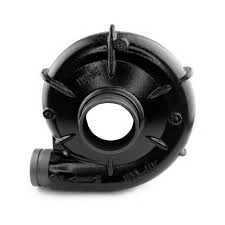
- Cost-Effective Compared to other casting methods, creating sand moulds is relatively inexpensive. The raw materials are abundant and inexpensive, making it a cost-effective process for both prototyping and mass production.
- Flexibility This process can accommodate a wide variety of shapes and sizes, from small components to large industrial pieces. It is particularly useful for producing intricate designs that may not be achievable with other methods.
- Material Variety Sand mould casting can be used with a variety of metals and alloys, including aluminum, iron, copper, and several others, providing flexibility in manufacturing
.Disadvantages of Sand Mould Casting
Despite its many benefits, there are some challenges associated with sand mould casting
- Surface Finish Castings produced using sand moulding often require additional machining to achieve desired surface finishes, adding to production time and costs.
- Dimensional Tolerance The dimensional accuracy achieved with sand mould casting may not be as precise as that achieved with other methods, such as die casting.
- Mould Destruction The sand moulds are typically single-use, which means they must be rebuilt for each new casting. This can lead to increased time and costs in high-volume applications.
Applications
Sand mould casting is utilized in various industries, including automotive, aerospace, and construction. It is commonly used to produce engine blocks, pump housings, and structural components due to its ability to create complex shapes and sizes.
In conclusion, sand mould casting is a versatile and cost-effective metal casting process that has stood the test of time. While it presents certain challenges such as surface finish and dimensional accuracy, its applications across industries continue to demonstrate its value in manufacturing. As technologies advance, improvements in materials and processes may further enhance the efficiency and effectiveness of sand mould casting, ensuring its place in modern manufacturing for years to come.
-
Choosing an Engine Storage Crate Cover for Material and EnvironmentNewsNov.23,2026
-
Cylinder Head Chamber Buyers: Check the Casting Specification FirstNewsNov.17,2026
-
How Impeller Casting Manufacturers Match Material, Process and EquipmentNewsNov.15,2026
-
Valve body vs. intake air chamber: Which casting fits your assembly?NewsNov.02,2026
-
Air Intake Chamber FAQ: Specifications, Ordering and Support QuestionsNewsOct.28,2026
-
Motorcycle Accessories FAQ: Specifications, Ordering and Support QuestionsNewsOct.24,2026










