English

Mobile:+86-311-8081-2683
Email:info@ydcastings.com
English
sand casting products
The Art and Science of Sand Casting Products
Sand casting, also known as sand mold casting, is a prevalent and time-honored method used in metalworking that combines artistic craftsmanship with advanced engineering principles. This technique has been employed for centuries, and its applications span a multitude of industries, from automotive to aerospace, and even artistic sculpting. This article delves into the process of sand casting, its advantages, challenges, and the diverse products it yields.
The Sand Casting Process
The sand casting process begins with the creation of a mold. The primary material for this mold is sand, which is mixed with a bonding agent like clay or resin. This mixture is shaped into a cavity that reflects the final product's design. A pattern, typically made of metal, wood, or plastic, is inserted into the sand to form the mold. Once the pattern is in place, the sand mixture is packed around it, and then the pattern is removed, leaving a negative impression in the sand.
Next, molten metal is poured into the cavity. This phase requires precision, as the metal’s temperature and viscosity significantly affect the cast's quality. The type of metal used can vary greatly, from aluminum and iron to bronze and magnesium, each selected based on the desired properties of the final product, such as strength, weight, or corrosion resistance.
After the metal cools and solidifies, the mold is broken away, revealing the raw casting. The casting typically requires further finishing processes, such as machining, to achieve the desired dimensions and surface finish.
Benefits of Sand Casting
One of the most significant advantages of sand casting is its cost-effectiveness. The materials used—sand and clay—are inexpensive and readily available. Additionally, the process is suitable for both small and large production runs, making it versatile for various manufacturing needs.
Another benefit is the design flexibility that sand casting offers. Since molds can be easily modified, manufacturers can create intricate designs and complex geometries that may be challenging to achieve with other casting methods. This flexibility also allows for the production of large castings, something that sets sand casting apart from precision casting processes.
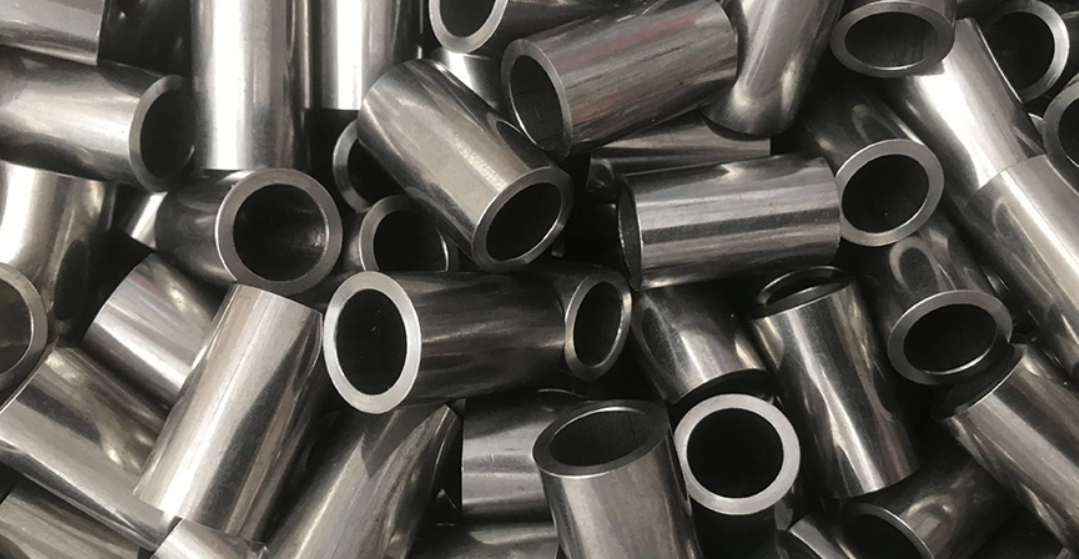
sand casting products
Challenges in Sand Casting
Despite its many advantages, sand casting is not without its challenges. One common issue is surface finish. The rough texture of the sand can transfer to the cast, necessitating additional machining to achieve the desired smoothness. Additionally, the sand can sometimes stick to the mold, leading to defects in the casting.
Dimensional accuracy can also be a concern. Due to the nature of sand molds, slight variations can occur during the casting process, potentially leading to inconsistencies in the final product. Manufacturers often need to account for these discrepancies in their designs, which can add to the complexity of the process.
Applications of Sand Casting
The versatility of sand casting means it finds use in numerous sectors. In the automotive industry, it is commonly used to produce engine blocks, transmission cases, and other fundamental components. The aerospace industry utilizes sand casting for parts that require lightweight yet durable materials, like turbine wheels and structural components.
Additionally, sand casting serves a vital role in artistic applications. Sculptors and artisans often favor this method for creating intricate designs and statues, allowing them to explore creativity with metals in ways that are not feasible with other materials.
Conclusion
Sand casting is a remarkable blend of art and engineering that continues to thrive in modern manufacturing. Its cost-effectiveness, flexibility, and ability to produce complex designs make it an invaluable technique across various industries. While there are challenges to address, the ongoing innovations and adaptations in sand casting ensure that this ancient method remains relevant and essential for producing high-quality metal products today. As technology advances, the possibilities within sand casting will only continue to expand, fostering the creation of new and exciting products for generations to come.
-
Choosing an Engine Storage Crate Cover for Material and EnvironmentNewsNov.23,2026
-
Cylinder Head Chamber Buyers: Check the Casting Specification FirstNewsNov.17,2026
-
How Impeller Casting Manufacturers Match Material, Process and EquipmentNewsNov.15,2026
-
Valve body vs. intake air chamber: Which casting fits your assembly?NewsNov.02,2026
-
Air Intake Chamber FAQ: Specifications, Ordering and Support QuestionsNewsOct.28,2026
-
Motorcycle Accessories FAQ: Specifications, Ordering and Support QuestionsNewsOct.24,2026










