English

Mobile:+86-311-8081-2683
Email:info@ydcastings.com
English
Innovative Designs for Radiator End Caps to Enhance Performance and Aesthetics
The Importance of Radiator End Caps in Automotive Design
When it comes to automotive engineering, every component plays a critical role in ensuring the vehicle's efficiency, safety, and performance. Among these components, radiator end caps might not be the most glamorous parts, but they are crucial in fulfilling the radiator's function within the cooling system of a vehicle. In this article, we will explore the significance of radiator end caps, their design considerations, and how they contribute to the overall performance of an automobile.
Understanding Radiator End Caps
Radiator end caps are the structures that seal the ends of the radiator core. They are typically made from sturdy materials such as plastic or aluminum, chosen for their strength and resistance to heat. The primary role of end caps is to hold the radiator core in place and prevent coolant leaks. By securely encapsulating the core, these components ensure that coolant can flow through the radiator without escaping into the engine compartment, which could lead to overheating and significant engine damage.
Design Considerations
The design of radiator end caps is not merely about creating a container; it involves meticulous engineering to balance functionality and manufacturability. Engineers must consider
1. Material Selection The choice of materials influences the end caps' weight, cost, and durability. Plastic is often used for its lower weight and ease of manufacturing, while aluminum is selected for high-performance applications due to its heat transfer properties.
2. Thermal Resistance End caps must withstand high temperatures and pressure variations within the cooling system. Engineers rigorously test materials to ensure they can maintain structural integrity under these conditions.
radiator end caps
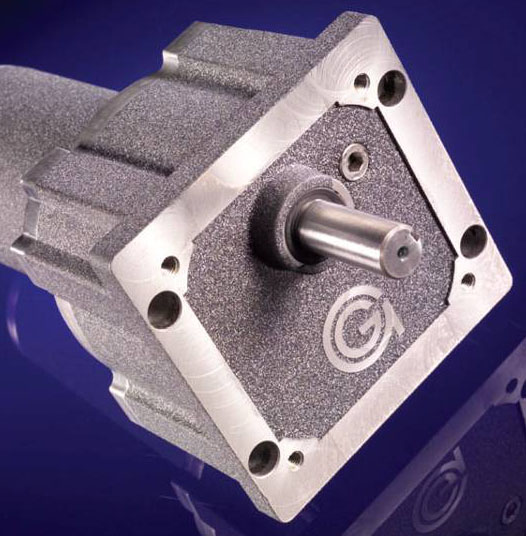
3. Compatibility Radiator end caps must be designed to fit specific radiator models and configurations. This requires precise measurements and sometimes custom tooling during the manufacturing process to ensure a perfect fit.
4. Sealing and Assembly A tight seal is paramount to prevent leaks. Engineers design end caps with sealing mechanisms, such as O-rings or gaskets, which help maintain pressure within the cooling system while allowing for thermal expansion.
Contribution to Performance
Radiator end caps are integral to the overall performance of the cooling system. By effectively sealing the radiator, they help maintain optimal coolant flow, which is critical for heat transfer. When the engine runs, it generates substantial heat; the radiator's job is to dissipate this heat to keep engine temperatures within safe limits. If the end caps are poorly designed or fabricated, it can lead to coolant leaks, overheating, and poor engine performance, resulting in diminished fuel efficiency and increased emissions.
Moreover, efficient cooling is essential for maintaining the operating temperature of modern engines equipped with turbochargers and other high-performance components. The performance of these components hinges on the radiator's capacity to manage heat effectively.
Conclusion
While radiator end caps may not receive the attention they deserve in discussions about automotive design, their role is vital to the effective functioning of any vehicle's cooling system. The design, material selection, and functionality of these components directly impact engine performance, longevity, and reliability. As automotive technology continues to advance, so too does the need for more sophisticated and efficient radiator end caps. Manufacturers are actively seeking innovations that enhance performance while reducing weight and costs. In a world where automotive efficiency is more important than ever, the subtle yet significant role of radiator end caps must not be overlooked. Indeed, these unassuming components are among the unsung heroes of automotive engineering, ensuring that drivers can enjoy their journeys without the dread of overheating or engine failure.
-
Choosing an Engine Storage Crate Cover for Material and EnvironmentNewsNov.23,2026
-
Cylinder Head Chamber Buyers: Check the Casting Specification FirstNewsNov.17,2026
-
How Impeller Casting Manufacturers Match Material, Process and EquipmentNewsNov.15,2026
-
Valve body vs. intake air chamber: Which casting fits your assembly?NewsNov.02,2026
-
Air Intake Chamber FAQ: Specifications, Ordering and Support QuestionsNewsOct.28,2026
-
Motorcycle Accessories FAQ: Specifications, Ordering and Support QuestionsNewsOct.24,2026










