English

Mobile:+86-311-8081-2683
Email:info@ydcastings.com
English
Feb . 13, 2025 04:01
Back to list
Water pump shell, worm case
The radial vane impeller is a critical component in various industrial and engineering applications, known for its efficiency and durability in fluid dynamics. Used predominantly in pumps, compressors, and turbines, the design and functionality of the radial vane impeller play an essential role in optimizing fluid flow and enhancing equipment performance.
Authority in the realm of radial vane impellers is often anchored in how these components integrate with broader mechanical systems. Experts recognize that the choice of impeller affects not just the performance of the pump or compressor, but also the overall efficiency of industrial processes. Manufacturers of radial vane impellers are constantly innovating to improve design, often incorporating computational fluid dynamics (CFD) in the development process. This advanced modeling ensures that each impeller is fine-tuned for its intended application, whether for maximizing flow rates or minimizing turbulence and cavitation. Trustworthiness is crucial when selecting a radial vane impeller. OEMs and suppliers with a proven track record of reliability and robust technical support are usually preferred. In practice, this means conducting rigorous quality control tests and maintenance checks, ensuring that each impeller meets industry standards. Documentation and transparent communication about the material specifications, performance benchmarks, and installation guidelines further reinforce the confidence users place in these products. In summary, the radial vane impeller stands out as a pinnacle of engineering design in its field. Its enduring relevance and adaptability are testaments to its sophisticated design that meets the demands of modern industrial operations. For any manufacturer, understanding the nuances of radial vane impeller technology not only enhances machinery performance but also provides a competitive edge in marketplaces where efficiency, reliability, and cost are driving factors. When chosen and maintained correctly, radial vane impellers significantly contribute to optimizing machine performance and operational success, underscoring their importance in modern engineering solutions.
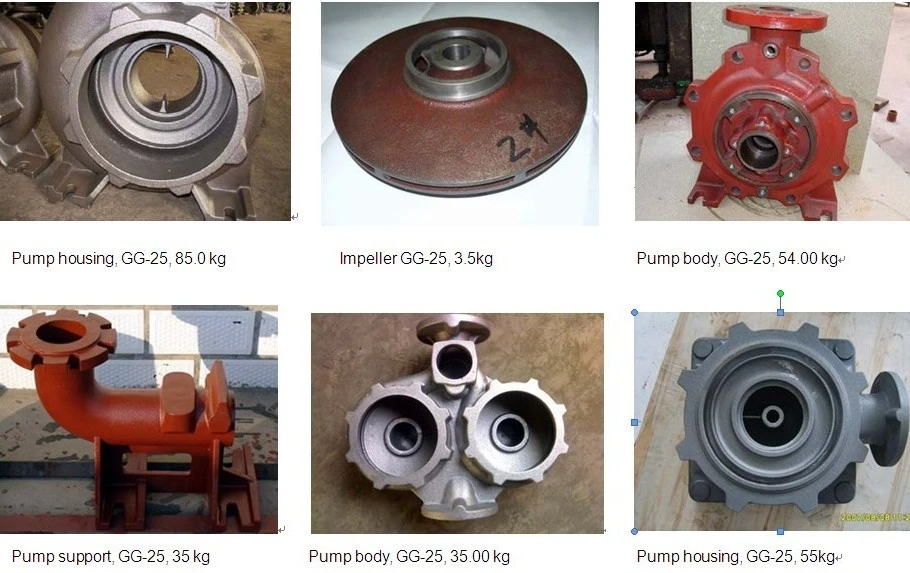
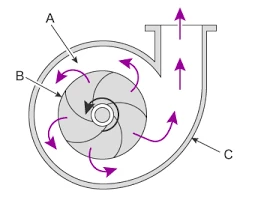
Authority in the realm of radial vane impellers is often anchored in how these components integrate with broader mechanical systems. Experts recognize that the choice of impeller affects not just the performance of the pump or compressor, but also the overall efficiency of industrial processes. Manufacturers of radial vane impellers are constantly innovating to improve design, often incorporating computational fluid dynamics (CFD) in the development process. This advanced modeling ensures that each impeller is fine-tuned for its intended application, whether for maximizing flow rates or minimizing turbulence and cavitation. Trustworthiness is crucial when selecting a radial vane impeller. OEMs and suppliers with a proven track record of reliability and robust technical support are usually preferred. In practice, this means conducting rigorous quality control tests and maintenance checks, ensuring that each impeller meets industry standards. Documentation and transparent communication about the material specifications, performance benchmarks, and installation guidelines further reinforce the confidence users place in these products. In summary, the radial vane impeller stands out as a pinnacle of engineering design in its field. Its enduring relevance and adaptability are testaments to its sophisticated design that meets the demands of modern industrial operations. For any manufacturer, understanding the nuances of radial vane impeller technology not only enhances machinery performance but also provides a competitive edge in marketplaces where efficiency, reliability, and cost are driving factors. When chosen and maintained correctly, radial vane impellers significantly contribute to optimizing machine performance and operational success, underscoring their importance in modern engineering solutions.
Latest news
-
Choosing an Engine Storage Crate Cover for Material and EnvironmentNewsNov.23,2026
-
Cylinder Head Chamber Buyers: Check the Casting Specification FirstNewsNov.17,2026
-
How Impeller Casting Manufacturers Match Material, Process and EquipmentNewsNov.15,2026
-
Valve body vs. intake air chamber: Which casting fits your assembly?NewsNov.02,2026
-
Air Intake Chamber FAQ: Specifications, Ordering and Support QuestionsNewsOct.28,2026
-
Motorcycle Accessories FAQ: Specifications, Ordering and Support QuestionsNewsOct.24,2026
Related PRODUCTS










