English

Mobile:+86-311-808-126-83
Email:info@ydcastings.com
English
Radial Vane Impeller: Durable & Customizable Industrial Rotor
Understanding the Radial Vane Impeller: A Veteran's Perspective
Having spent a good chunk of my career knee-deep in the industrial equipment sector, I’ve come to appreciate how critical small components are to the overall performance of machinery. One such element — often overlooked outside specialist circles — is the radial vane impeller. If you’re not familiar with it, that’s okay. It’s a humble rotor design that, frankly, packs a serious punch in pumps and compressors.
I recall the first time I encountered a radial vane impeller on a job site — it was a custom retrofit for a mining slurry pump. What struck me was how the vanes extended radially from the center hub, unlike the more common axial designs. This layout, I’ve learned, is all about maximizing pressure generation in demanding environments.
What Makes a Radial Vane Impeller Special?
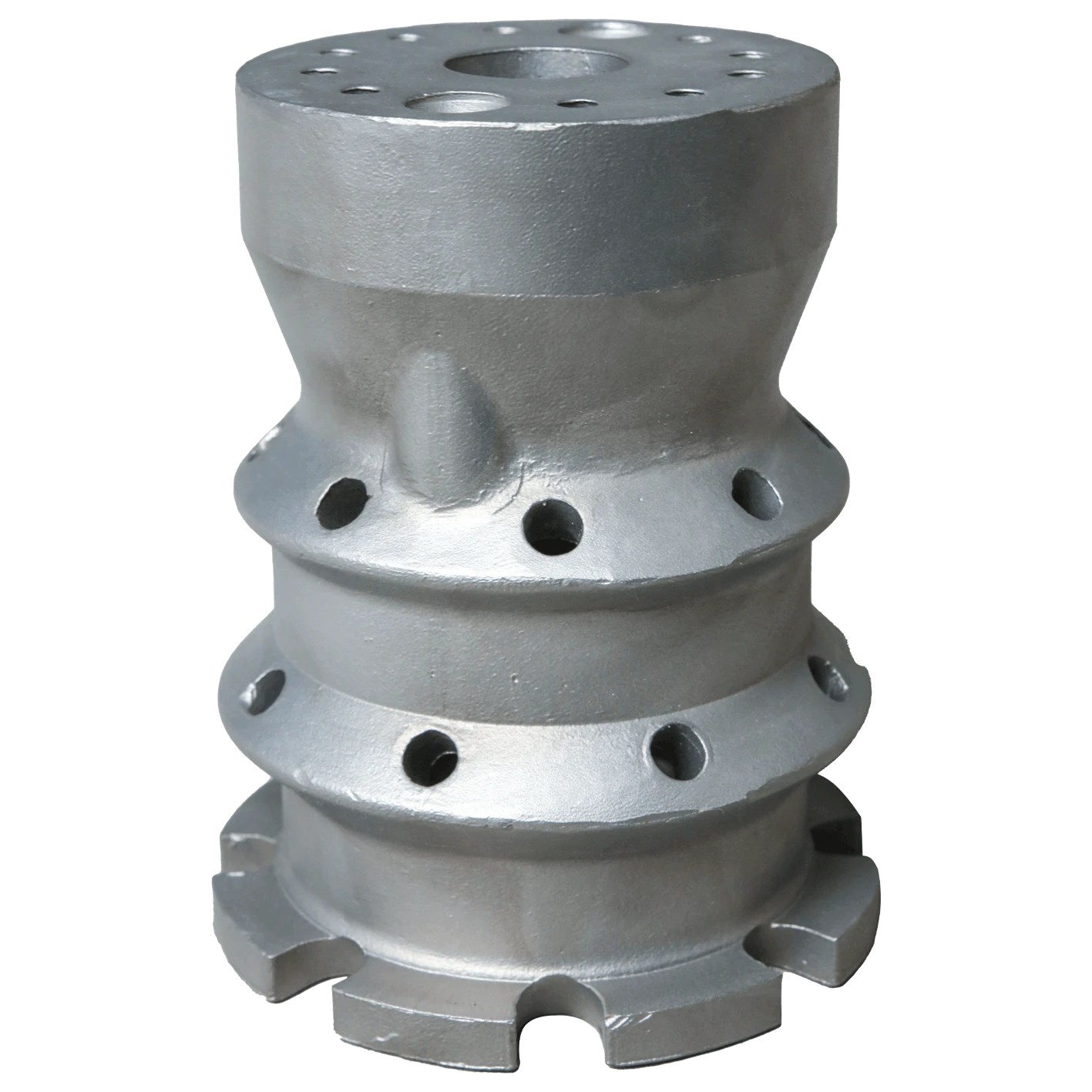
Essentially, the radial vane impeller is designed to direct fluid flow perpendicular to the impeller shaft. For industries dealing with abrasive fluids or high-viscosity materials, this design helps maintain stable operation and reduces wear. The impeller’s robust construction — often in stainless steel or high-grade cast iron — is not just about durability but also about coping with the dynamic forces inside a pump.
Oddly enough, one of the key benefits of these impellers is their adaptability. They can be modified for different vane counts, thicknesses, and blade angles depending on the client’s operating requirements. I’ve seen complex computational fluid dynamics (CFD) simulations used to fine-tune designs, which makes me appreciate how far engineering has come.
Radial Vane Impeller Product Specifications
| Specification | Details |
|---|---|
| Material | Stainless steel / Cast iron / ASTM A532 |
| Diameter Range | 100 mm – 1200 mm |
| Number of Vanes | 5 – 15 (customizable) |
| Operating Speed | Up to 3600 RPM |
| Max Temperature | 200°C (depending on material) |
| Typical Uses | Slurry Pumps, Chemical Processing, Mining |
Comparing Leading Radial Vane Impeller Vendors
| Vendor | Customization | Material Options | Lead Time | Typical Sectors Served |
|---|---|---|---|---|
| YDCastings | Extensive (vane angle, count, size) | Stainless steel, Cast iron, Duplex steel | 4-6 weeks | Mining, Chemical, Wastewater |
| Vendor B | Limited (standard designs) | Cast iron only | 6-8 weeks | Water Treatment, Irrigation |
| Vendor C | Custom on request | Stainless steel, Bronze | 5-7 weeks | Chemical, Food processing |
A Quick Anecdote: When Design Made the Difference
I recently consulted on a project where a customer needed to boost pump performance in a harsh chemical environment. They leaned heavily on the radial vane impeller’s customization potential. By tweaking the blade angles and switching to a duplex stainless steel version, not only did their pump life extend substantially, but their downtime dropped by nearly 30%. It’s moments like these that make me realize the true value of understanding the nuances of such components.
In real terms, while many engineers might focus on flashy equipment upgrades, it’s often the subtle design details — like those in radial vane impellers — that end up determining operational success and budget health.
Final Thoughts
If you work in pump manufacturing, maintenance, or operate equipment in industries like mining or chemical processing, keep an eye on your impeller choices. The radial vane impeller’s robust, adaptable design is often a game-changer when it comes to efficiency and wear resistance. And hey, sometimes the best parts are the ones quietly doing their job behind the scenes.
References:
1. Hydraulic Institute Standards on Pump Impellers
2. "Fundamentals of Pumping Machinery," John Wiley & Sons, 2017.
3. YDCastings official product documentation and case studies.
-
Precision Valve Castings for Agricultural Irrigation and Fluid Control SystemsNewsMay.08,2026
-
Precision Impeller and Compressor Components for Agricultural MachineryNewsMay.08,2026
-
Essential Cast Components for Agricultural Machinery: Oil Management and Motor ProtectionNewsMay.08,2026
-
High-Performance Cast Components for Agricultural Machinery: From Cooling to Exhaust SystemsNewsMay.08,2026
-
Agricultural Valve Castings: Durable Flow Control Solutions for Farm Irrigation SystemsNewsMay.08,2026
-
High-Performance Agricultural Pump Components: Precision Castings for Reliable Farm OperationsNewsMay.08,2026