English

Mobile:+86-311-8081-2683
Email:info@ydcastings.com
English
Connecting Pump to Hose Efficiently for Optimal Performance and Flow Management
Understanding Pump to Hose Connectors Essential Components in Fluid Transfer Systems
In various industries such as agriculture, construction, and manufacturing, efficient fluid transfer is critical. Among the many components that facilitate this process, one of the often-overlooked elements is the pump to hose connector. This article will explore the significance of these connectors, their various types, installation considerations, and maintenance tips.
What are Pump to Hose Connectors?
Pump to hose connectors are specialized fittings designed to securely connect a pump to a flexible hose or pipe. These connectors play a vital role in fluid transfer systems, ensuring that liquids or gases are moved efficiently from one location to another without leaks. This is particularly important in applications where pressure is involved, such as in hydraulic systems or when transporting water under pressure.
Types of Pump to Hose Connectors
1. Barbed Connectors One of the most common types, barbed connectors feature raised ridges that grip the inside of the hose, creating a secure seal. These are typically used for low-pressure applications and are made from various materials, including plastic and metal.
2. Cam Lock Connectors Also known as cam and groove fittings, these connectors provide a quick and easy method to connect hoses. They are equipped with a cam lever that locks the connector in place, ensuring a tight seal. These are especially popular in the food and beverage industry, where hygiene and ease of cleaning are paramount.
3. Threaded Connectors These connectors come with male or female threads that screw onto the pump and hose. They are suitable for high-pressure applications and typically made from materials like stainless steel, brass, or plastic.
4. Quick Disconnect Connectors As the name suggests, these connectors allow for fast connections and disconnections. They are especially useful in situations where equipment needs to be frequently changed or moved.
Installation Considerations
When installing pump to hose connectors, several factors must be considered
- Material Compatibility Ensure that the materials of the connector and hose are compatible with the fluid being transported. For instance, certain plastics may not be suitable for corrosive substances.
pump to hose connector
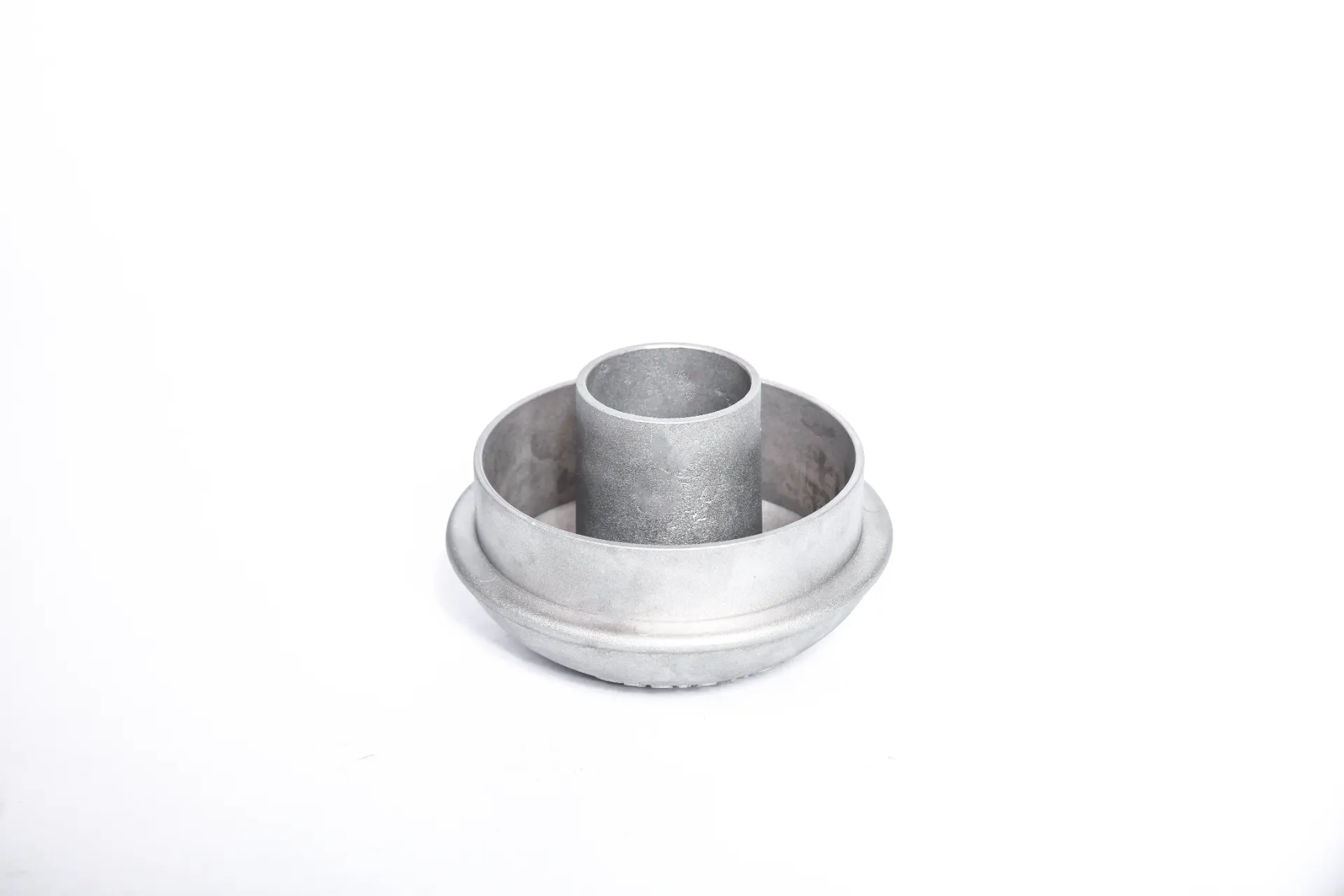
- Pressure Ratings Each connector has a pressure rating that must not be exceeded
. Always choose connectors that can handle the maximum pressure of your system.- Hose Size The diameter of the hose must match the size of the connector to ensure a proper fit. An improper size can lead to leaks or a malfunctioning system.
- Environmental Conditions If the connector will be used outdoors or in harsh conditions, consider materials that can withstand exposure to UV light, extreme temperatures, and humidity.
Maintenance Tips
To ensure the longevity and efficiency of pump to hose connectors, regular maintenance is essential
- Inspect for Wear and Tear Periodically check connectors for any signs of damage, such as cracks or wear. Replace any damaged components immediately to prevent leaks.
- Clean Connectors Depending on what is transported through the hose, regular cleaning may be necessary to avoid contamination. For food-grade applications, ensure that connectors meet sanitary standards.
- Tighten Connections Over time, connections can become loose. Regularly check and tighten threaded connectors or cam locks to ensure they maintain a tight seal.
- Store Properly When not in use, store pumps and hoses in a dry, safe environment to prevent damage from environmental factors.
Conclusion
Pump to hose connectors are vital components of fluid transfer systems, playing a crucial role in ensuring efficiency and safety. Appropriately selecting, installing, and maintaining these connectors can extend the life of your systems and prevent costly leaks or breakdowns. By understanding the different types of connectors available and their specific uses, industries can optimize their fluid transfer processes and ensure a reliable operation. Whether in agriculture, manufacturing, or any other field where fluid transfer is essential, investing time and resources into these often-overlooked components will pay off significantly in the long run.
-
Choosing an Engine Storage Crate Cover for Material and EnvironmentNewsNov.23,2026
-
Cylinder Head Chamber Buyers: Check the Casting Specification FirstNewsNov.17,2026
-
How Impeller Casting Manufacturers Match Material, Process and EquipmentNewsNov.15,2026
-
Valve body vs. intake air chamber: Which casting fits your assembly?NewsNov.02,2026
-
Air Intake Chamber FAQ: Specifications, Ordering and Support QuestionsNewsOct.28,2026
-
Motorcycle Accessories FAQ: Specifications, Ordering and Support QuestionsNewsOct.24,2026










