English

Mobile:+86-311-8081-2683
Email:info@ydcastings.com
English
Feb . 16, 2025 08:21
Back to list
engine exhaust pipe
Pump pipe connections play a critical role in various industries, from agriculture to petrochemicals, ensuring that fluids are transported efficiently and safely. Selecting the right type of connection and materials is paramount for maintaining operational excellence and avoiding costly downtimes. Below is an in-depth exploration of the intricacies involved in pump pipe connections, providing a valuable resource for industry professionals and decision-makers.
Maintenance and Troubleshooting Routine maintenance of pump pipe connections can prevent unexpected failures. Regular inspections for wear, corrosion, and seal integrity are vital, especially in harsh operating conditions. In the event of a problem, understanding common issues such as vibration-induced loosening, thermal expansion stress, or misalignment can prompt swift corrective action and minimize downtime. Case Studies Industries such as wastewater treatment and the oil and gas sector provide numerous case studies highlighting the importance of selecting and maintaining proper pump pipe connections. In wastewater treatment facilities, the use of corrosion-resistant materials has drastically reduced maintenance costs and improved system longevity. Similarly, the oil industry often involves extreme pressures and temperatures, where welded connections incorporating high-strength alloys have proven successful in ensuring reliability. Regulatory Compliance Adhering to industry standards and regulations is essential for ensuring the safety and efficiency of pump pipe connections. In the United States, standards such as those set by the American Society of Mechanical Engineers (ASME) and the American National Standards Institute (ANSI) guide the design and implementation of pump piping systems. Compliance with such standards not only ensures safety but also demonstrates a commitment to excellence and societal responsibility. Technological Advancements The advent of smart monitoring systems has revolutionized the maintenance strategies of pump pipe connections. Sensors can now provide real-time data on pressure, temperature, and vibrations, enabling predictive maintenance and allowing engineers to address potential issues before they escalate. In conclusion, pump pipe connections are a critical component in fluid transport systems, demanding careful selection and diligent maintenance to function effectively. As technology advances and industry standards evolve, the expertise involved in managing these systems will continue to grow. By embracing innovative solutions and adhering to best practices, companies can ensure the safety, reliability, and efficiency of their operations, underscoring the importance of expertise, authority, and trust in the field.
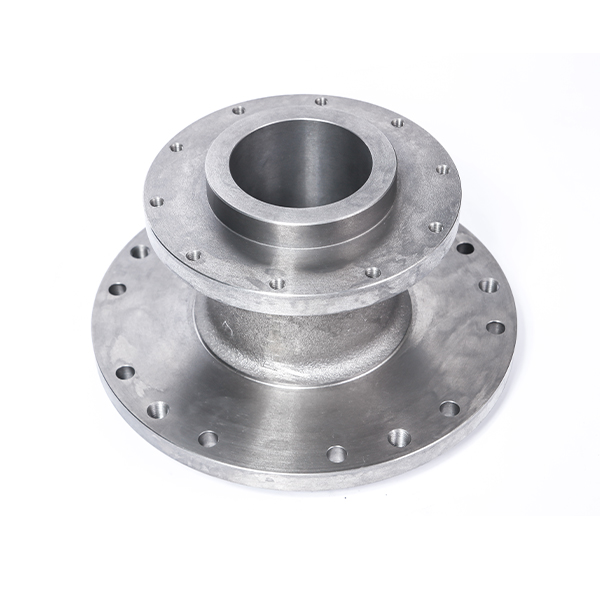
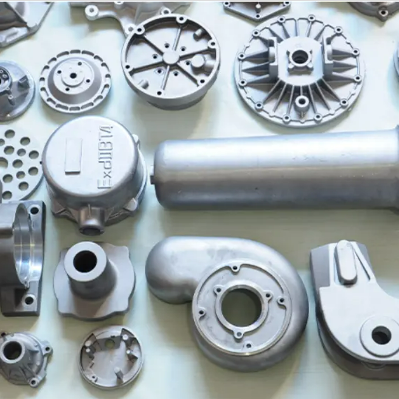
Maintenance and Troubleshooting Routine maintenance of pump pipe connections can prevent unexpected failures. Regular inspections for wear, corrosion, and seal integrity are vital, especially in harsh operating conditions. In the event of a problem, understanding common issues such as vibration-induced loosening, thermal expansion stress, or misalignment can prompt swift corrective action and minimize downtime. Case Studies Industries such as wastewater treatment and the oil and gas sector provide numerous case studies highlighting the importance of selecting and maintaining proper pump pipe connections. In wastewater treatment facilities, the use of corrosion-resistant materials has drastically reduced maintenance costs and improved system longevity. Similarly, the oil industry often involves extreme pressures and temperatures, where welded connections incorporating high-strength alloys have proven successful in ensuring reliability. Regulatory Compliance Adhering to industry standards and regulations is essential for ensuring the safety and efficiency of pump pipe connections. In the United States, standards such as those set by the American Society of Mechanical Engineers (ASME) and the American National Standards Institute (ANSI) guide the design and implementation of pump piping systems. Compliance with such standards not only ensures safety but also demonstrates a commitment to excellence and societal responsibility. Technological Advancements The advent of smart monitoring systems has revolutionized the maintenance strategies of pump pipe connections. Sensors can now provide real-time data on pressure, temperature, and vibrations, enabling predictive maintenance and allowing engineers to address potential issues before they escalate. In conclusion, pump pipe connections are a critical component in fluid transport systems, demanding careful selection and diligent maintenance to function effectively. As technology advances and industry standards evolve, the expertise involved in managing these systems will continue to grow. By embracing innovative solutions and adhering to best practices, companies can ensure the safety, reliability, and efficiency of their operations, underscoring the importance of expertise, authority, and trust in the field.
Next:
Latest news
-
Choosing an Engine Storage Crate Cover for Material and EnvironmentNewsNov.23,2026
-
Cylinder Head Chamber Buyers: Check the Casting Specification FirstNewsNov.17,2026
-
How Impeller Casting Manufacturers Match Material, Process and EquipmentNewsNov.15,2026
-
Valve body vs. intake air chamber: Which casting fits your assembly?NewsNov.02,2026
-
Air Intake Chamber FAQ: Specifications, Ordering and Support QuestionsNewsOct.28,2026
-
Motorcycle Accessories FAQ: Specifications, Ordering and Support QuestionsNewsOct.24,2026
Related PRODUCTS










