English

Mobile:+86-311-8081-2683
Email:info@ydcastings.com
English
Casting Techniques for Pump Impeller Manufacturing and Design Innovations
The Significance of Pump Impeller Casting in Fluid Dynamics
In the realm of engineering, particularly within the fluid dynamics sector, the casting of pump impellers plays a pivotal role. Pump impellers are integral components that facilitate the movement of fluids by converting mechanical energy into hydraulic energy. The efficiency and performance of a pump heavily rely on the design and quality of its impeller, making the casting process a critical step in ensuring optimal functionality.
Understanding Pump Impellers
Before delving into the casting process, it is essential to understand what pump impellers are. An impeller is essentially a rotating component that enhances the flow of fluid through a pump. The design of an impeller can vary significantly depending on the type of pump and the application. Impellers can be found in various shapes, including centrifugal and positive displacement shapes. Each design serves a specific purpose, influenced by factors such as the type of fluid being pumped, the required flow rate, and the pressure conditions involved.
The Casting Process
The casting process is a method used to create solid objects by pouring molten material into a mold, where it solidifies into the desired shape. For pump impellers, this typically involves the use of metals such as cast iron, aluminum, or bronze, which are chosen for their strength, durability, and resistance to corrosion. The casting process begins with creating a detailed mold of the impeller design. This mold can be made from sand, metal, or ceramic materials, depending on the complexity of the design and the properties required in the final product.
Once the mold is prepared, molten metal is poured into it, filling the shape of the impeller. After the material cools and solidifies, the mold is removed, revealing the cast impeller. This process allows for the production of intricate designs with high precision, which is crucial for ensuring efficiency in fluid movement.
Advantages of Casting in Pump Impeller Manufacturing
pump impeller casting
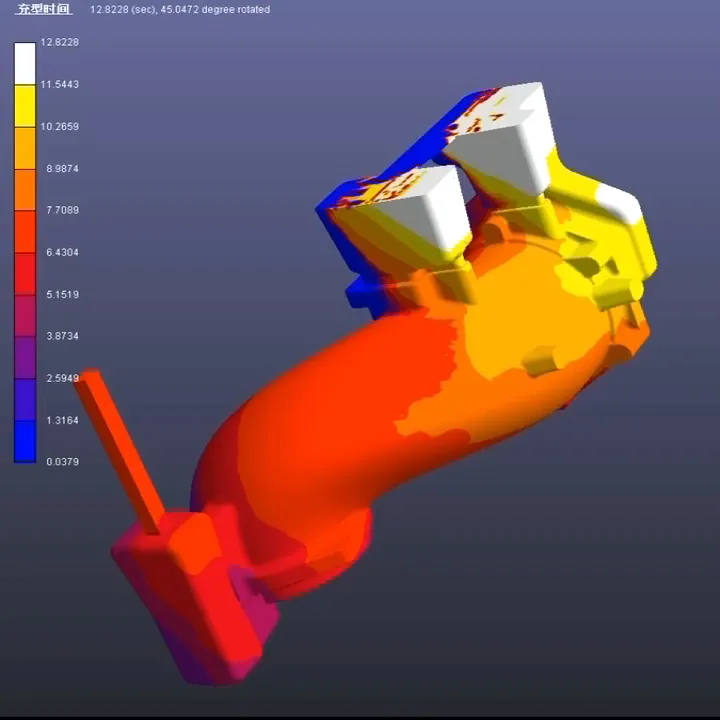
Casting offers several advantages in the manufacturing of pump impellers. Firstly, it allows for the production of complex geometries that may be difficult to achieve through other manufacturing methods. This complexity can lead to improved hydraulic performance, resulting in better flow characteristics and increased efficiency.
Secondly, casting enables manufacturers to produce large quantities of identical parts quickly and cost-effectively. This is particularly beneficial for industries that require standardization and mass production, such as water treatment facilities, oil and gas sectors, and various industrial applications.
Casting also enhances material utilization, minimizing waste. The ability to recycle and reuse metal scrap further contributes to sustainability within the manufacturing process, making it an environmentally friendly option compared to other methods that may produce significant waste.
Quality Control and Challenges
Despite the advantages, the casting process is not without its challenges. Variabilities in the casting process can lead to defects such as porosity, shrinkage, and misalignment, which can adversely affect performance. Therefore, rigorous quality control measures are essential. These measures include non-destructive testing techniques such as ultrasonic testing, X-ray inspection, and pressure testing to ensure that the impellers meet specific performance standards.
Moreover, advancements in technology such as computer-aided design (CAD) and simulation software have revolutionized the casting process. These tools allow engineers to simulate fluid flow within the impeller, optimizing designs before they are even cast. This proactive approach helps mitigate potential issues and improve efficiency in the casting process.
Conclusion
In conclusion, pump impeller casting is a fundamental process in the manufacturing of fluid dynamics components. The efficiency and reliability of pumps greatly depend on the quality and design of their impellers. As industries continue to evolve, the casting process will remain a vital aspect of producing high-performance impellers, driving innovation and improvement in various applications. Emphasizing quality control and utilizing advanced technologies will ensure that pump impellers meet the demands of modern fluid dynamics, leading to better systems and enhanced performance across multiple sectors.
-
Choosing an Engine Storage Crate Cover for Material and EnvironmentNewsNov.23,2026
-
Cylinder Head Chamber Buyers: Check the Casting Specification FirstNewsNov.17,2026
-
How Impeller Casting Manufacturers Match Material, Process and EquipmentNewsNov.15,2026
-
Valve body vs. intake air chamber: Which casting fits your assembly?NewsNov.02,2026
-
Air Intake Chamber FAQ: Specifications, Ordering and Support QuestionsNewsOct.28,2026
-
Motorcycle Accessories FAQ: Specifications, Ordering and Support QuestionsNewsOct.24,2026










