English

Mobile:+86-311-8081-2683
Email:info@ydcastings.com
English
pump impeller casting
Understanding Pump Impeller Casting A Critical Component in Fluid Dynamics
Pump impellers play a pivotal role in the operation of centrifugal pumps, acting as the driving force that propels fluids through various systems. The quality and efficiency of an impeller directly influence the performance of a pump, making the casting process an essential aspect of manufacturing. This article delves into the significance of pump impeller casting, its processes, materials involved, and the advancements in technology that enhance efficiency and durability.
The Importance of Pump Impellers
An impeller is a rotating component within a pump designed to increase the velocity of a fluid. In centrifugal pumps, the impeller's design and construction are critical for converting mechanical energy into hydraulic energy. The shape, size, and material of the impeller determine the pump's capacity, pressure, and efficiency. Therefore, ensuring high-quality casting processes is vital in producing impellers that meet the demanding requirements of various applications, including water treatment, chemical processing, and HVAC systems.
Casting Processes in Impeller Manufacturing
The casting process involves creating a mold and pouring molten metal into it to form the desired shape
. For pump impellers, several casting methods can be employed, each with its advantages1. Sand Casting This traditional method involves creating a mold using sand and is ideal for producing complex shapes. It is cost-effective for low to medium production runs but may have limitations in surface finish and dimensional accuracy.
2. Investment Casting Also known as lost-wax casting, this method offers superior dimensional accuracy and surface finish, making it suitable for intricate designs. Investment casting is often favored for high-performance applications, despite higher costs.
3. Die Casting This process is used for mass production and involves forcing molten metal into a mold under high pressure. Die-cast impellers benefit from uniform thickness and excellent surface quality but are typically restricted to non-ferrous alloys.
4. Centrifugal Casting This technique involves rotating the mold at high speeds, allowing the molten metal to be distributed evenly. It is particularly effective for creating cylindrical components with enhanced mechanical properties.
Materials Used in Impeller Casting
pump impeller casting
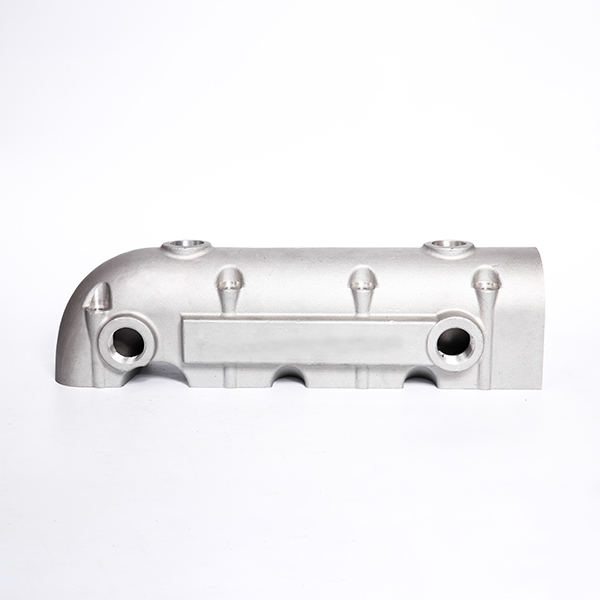
The choice of material for pump impellers is crucial in determining performance characteristics. Common materials include
- Cast Iron Known for its excellent wear resistance and machinability, cast iron is often used in standard applications but may lack the corrosion resistance needed in specific environments.
- Stainless Steel Corrosion-resistant and robust, stainless steel is ideal for impellers that will handle aggressive fluids or operate in harsh conditions. The choice of specific grade can further tailor performance attributes.
- Bronze and Brass These materials are valued for their antifriction properties and resistance to corrosion, making them suitable for marine and chemical applications.
- Polymers and Composites Advances in materials science have led to the use of advanced polymers and composite materials, providing significant weight savings and resistance to corrosive fluids.
Technological Advancements
Recent technological innovations have significantly improved the casting process and the performance of pump impellers. Computer-aided design (CAD) software enables precise modeling, which can lead to optimized geometries for enhanced fluid dynamics. Moreover, the introduction of 3D printing in mold creation allows for rapid prototyping and complex designs that were previously challenging to achieve with traditional methods.
In addition, advancements in alloy compositions have led to the development of high-performance materials that offer better wear resistance, reduced weight, and improved thermal stability. Continuous monitoring and quality control measures throughout the casting process help ensure that every impeller meets the necessary standards for performance and durability.
Conclusion
As we delve into the world of pump impeller casting, it becomes evident that this critical component is fundamental to the efficiency and reliability of fluid systems. Understanding the casting processes, material choices, and technological advancements can help manufacturers produce high-quality impellers that meet the diverse needs of today's industries. As demand for efficient pumping solutions continues to grow, innovations in casting technologies will play a significant role in shaping the future of pump design and function.
-
Choosing an Engine Storage Crate Cover for Material and EnvironmentNewsNov.23,2026
-
Cylinder Head Chamber Buyers: Check the Casting Specification FirstNewsNov.17,2026
-
How Impeller Casting Manufacturers Match Material, Process and EquipmentNewsNov.15,2026
-
Valve body vs. intake air chamber: Which casting fits your assembly?NewsNov.02,2026
-
Air Intake Chamber FAQ: Specifications, Ordering and Support QuestionsNewsOct.28,2026
-
Motorcycle Accessories FAQ: Specifications, Ordering and Support QuestionsNewsOct.24,2026










