English

Mobile:+86-311-8081-2683
Email:info@ydcastings.com
English
Jan . 13, 2025 14:16
Back to list
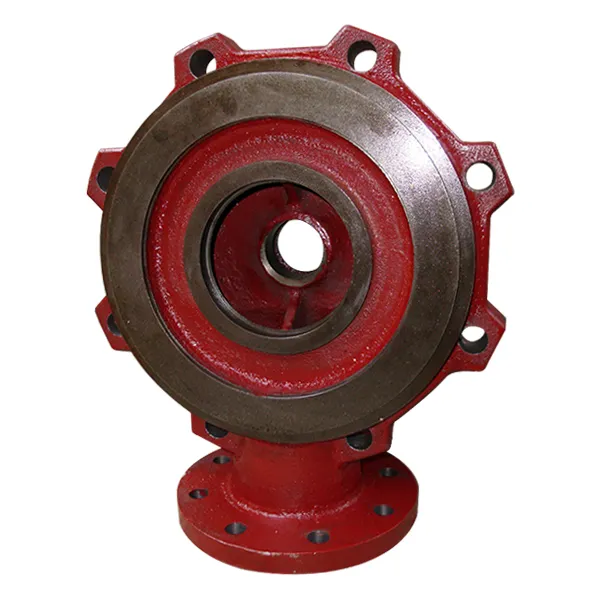
Pump Body
Copper pipe caps play a critical role in plumbing systems, serving as essential components to seal the ends of copper pipes and prevent leaks. These caps not only ensure the smooth operation of water systems but also contribute significantly to the efficiency and longevity of plumbing installations.
Environmental Impact and Safety Copper pipe caps contribute positively to environmental sustainability. Copper as a raw material is 100% recyclable, which means that at the end of their lifecycle, these caps can be repurposed or recycled. This characteristic makes them an environmentally responsible choice compared to other materials that might end up in landfills. Furthermore, the non-toxic nature of copper assures that it does not contaminate water supplies, making it a safe option for potable water systems. Economic Considerations While copper pipe caps might present a higher initial cost compared to alternatives like plastic or PVC, their long-term benefits outweigh these costs. The durability of copper means fewer replacements and repairs, leading to lower maintenance costs over time. Additionally, their capacity to resist bacterial growth maintains the hygiene standards of water systems, adding an extra layer of health safety that often justifies their price. Trustworthiness through Certification For homeowners and contractors seeking reassurance about the quality of copper pipe caps, looking for products that have relevant certifications is key. Certifications from recognized bodies endorse the product’s compliance with health and safety regulations, providing peace of mind regarding their use in both residential and industrial settings. In summary, copper pipe caps embody a blend of expertise, durability, and environmental responsibility. Their unrivaled efficiency in sealing and protecting the integrity of plumbing systems makes them indispensable for professionals seeking reliable, long-lasting solutions. Investing in high-quality copper caps ensures peace of mind, knowing that the critical elements of your plumbing infrastructure are secured by components upheld by a legacy of craftsmanship and innovation.
Environmental Impact and Safety Copper pipe caps contribute positively to environmental sustainability. Copper as a raw material is 100% recyclable, which means that at the end of their lifecycle, these caps can be repurposed or recycled. This characteristic makes them an environmentally responsible choice compared to other materials that might end up in landfills. Furthermore, the non-toxic nature of copper assures that it does not contaminate water supplies, making it a safe option for potable water systems. Economic Considerations While copper pipe caps might present a higher initial cost compared to alternatives like plastic or PVC, their long-term benefits outweigh these costs. The durability of copper means fewer replacements and repairs, leading to lower maintenance costs over time. Additionally, their capacity to resist bacterial growth maintains the hygiene standards of water systems, adding an extra layer of health safety that often justifies their price. Trustworthiness through Certification For homeowners and contractors seeking reassurance about the quality of copper pipe caps, looking for products that have relevant certifications is key. Certifications from recognized bodies endorse the product’s compliance with health and safety regulations, providing peace of mind regarding their use in both residential and industrial settings. In summary, copper pipe caps embody a blend of expertise, durability, and environmental responsibility. Their unrivaled efficiency in sealing and protecting the integrity of plumbing systems makes them indispensable for professionals seeking reliable, long-lasting solutions. Investing in high-quality copper caps ensures peace of mind, knowing that the critical elements of your plumbing infrastructure are secured by components upheld by a legacy of craftsmanship and innovation.
Next:
Latest news
-
Choosing an Engine Storage Crate Cover for Material and EnvironmentNewsNov.23,2026
-
Cylinder Head Chamber Buyers: Check the Casting Specification FirstNewsNov.17,2026
-
How Impeller Casting Manufacturers Match Material, Process and EquipmentNewsNov.15,2026
-
Valve body vs. intake air chamber: Which casting fits your assembly?NewsNov.02,2026
-
Air Intake Chamber FAQ: Specifications, Ordering and Support QuestionsNewsOct.28,2026
-
Motorcycle Accessories FAQ: Specifications, Ordering and Support QuestionsNewsOct.24,2026
Related PRODUCTS










