English

Mobile:+86-311-8081-2683
Email:info@ydcastings.com
English
Pump with Hose Link for Efficient Fluid Transfer and Management Solutions
Understanding the Mechanics of Pumps with Hose Connections
In various industries, effective fluid management is crucial, and pumps play a vital role in ensuring that fluids are moved efficiently from one point to another. Among the many different types of pumps, those with hose connections stand out due to their versatility and ease of use. This article delves into the mechanics of pumps with hose connections, exploring their design, applications, and the benefits they offer.
Design and Functionality
A pump with a hose connection comprises several key components that work together to facilitate the movement of fluids. At its core, the pump generates suction and pressure, which allows it to transport liquids through hoses. Typically, these pumps feature a motor that drives an impeller or piston, creating a difference in pressure that moves the fluid through the hoses.
The hose connection is a vital aspect of these pumps, as it acts as the conduit through which the fluid travels. Most pumps utilize flexible hoses made of durable materials such as rubber or PVC, which can withstand varying pressures and temperatures. Additionally, the hose connection is equipped with fittings that ensure a secure and leak-free connection, a critical aspect for maintaining safety and efficiency in fluid handling.
Applications of Hose Pumps
Pumps with hose connections are used in a wide array of applications across different sectors. In the agricultural industry, for instance, these pumps are commonly employed for irrigation purposes, transporting water from sources to fields. They are also used in the transfer of fertilizers and pesticides, ensuring that critical nutrients are delivered effectively.
In construction and industrial environments, hose pumps are essential for transferring concrete, slurries, and other viscous materials. Their ability to handle abrasive materials makes them a preferred choice for many contractors. Furthermore, in the food and beverage industry, these pumps are utilized for transferring liquids like juices, sauces, and dairy products, adhering to stringent hygiene standards.
pump with hose connection
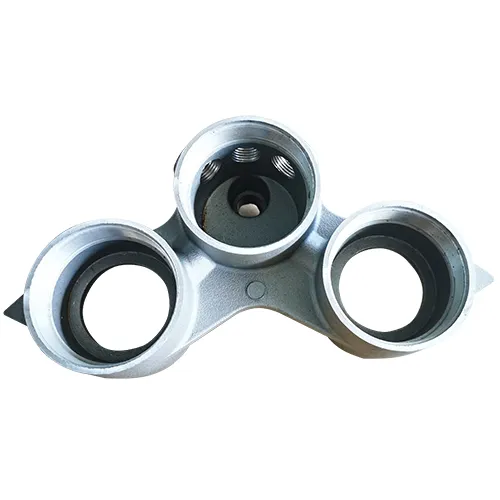
Another significant application of hose pumps is in the chemical industry, where they are used to transport corrosive substances. With proper selection of hose materials and pump components, these pumps can safely handle harsh chemicals while minimizing the risk of contamination or corrosion.
Advantages of Hose Pumps
The use of pumps with hose connections offers several advantages. One of the primary benefits is their flexibility. Hose pumps can be easily repositioned to accommodate various tasks, and the length of the hose can be adjusted to reach different locations without requiring extensive modifications.
Additionally, hose pumps are relatively easy to operate and maintain. Most models feature user-friendly controls and require minimal training, making them accessible for operators of varying skill levels. Regular maintenance is straightforward as well, often limited to checking the hose for wear and tear and ensuring that all connections are secure.
Another advantage is their ability to handle a wide range of viscosities. Whether moving thin liquids or thicker slurries, hose pumps can be adapted to meet specific needs. This versatility makes them invaluable tools in environments where fluid types and conditions frequently change.
Conclusion
Pumps with hose connections have become indispensable tools in numerous industries, offering efficient and reliable fluid management solutions. Their design, which includes a robust pump mechanism paired with flexible hose connections, allows for effective handling of a wide variety of fluids. With applications ranging from agriculture to industrial processes, and the numerous advantages they provide, it's clear that hose pumps play a pivotal role in today's fluid transport systems. As industries continue to evolve and face new challenges, these pumps will undoubtedly remain critical components of effective fluid management strategies. Understanding their mechanics and applications will help users optimize their performance and ensure safe, efficient operation.
-
Choosing an Engine Storage Crate Cover for Material and EnvironmentNewsNov.23,2026
-
Cylinder Head Chamber Buyers: Check the Casting Specification FirstNewsNov.17,2026
-
How Impeller Casting Manufacturers Match Material, Process and EquipmentNewsNov.15,2026
-
Valve body vs. intake air chamber: Which casting fits your assembly?NewsNov.02,2026
-
Air Intake Chamber FAQ: Specifications, Ordering and Support QuestionsNewsOct.28,2026
-
Motorcycle Accessories FAQ: Specifications, Ordering and Support QuestionsNewsOct.24,2026










