English

Mobile:+86-311-808-126-83
Email:info@ydcastings.com
English
Design and Applications of End Caps in Pressure Vessel Engineering
Understanding Pressure Vessel End Caps Essential Components in Industrial Applications
Pressure vessels are integral to numerous industries, from oil and gas to chemical manufacturing, food processing, and beyond. These specialized containers hold gases or liquids at high pressures and are designed for safe operation under extreme conditions. One critical component of pressure vessels is the end cap. In this article, we’ll explore the function, types, manufacturing processes, and importance of end caps in pressure vessel engineering.
What Are Pressure Vessel End Caps?
End caps are crucial components that seal the ends of a pressure vessel, helping to maintain the structural integrity of the shell and prevent leaks. They can take various shapes, including flat, hemispherical, or elliptical designs, depending on the specific requirements of the pressure vessel they are attached to. The choice of end cap shape and material significantly impacts the vessel's performance and safety.
Functions of End Caps
1. Sealing End caps provide a tight seal that prevents fluid or gas from escaping the pressure vessel. This is essential for maintaining pressure levels and ensuring operational efficiency.
2. Pressure Resistance End caps, particularly designed ones, help withstand internal pressure exerted by the contents of the vessel. They are engineered to bear stress without deforming, which maintains the overall integrity of the pressure vessel.
3. Safety In the event of over-pressurization or other failures, well-designed end caps can help contain the contents of the pressure vessel, reducing the risk of catastrophic failure or explosions.
4. Accessibility Some pressure vessels require end caps that can be easily removed for maintenance or inspection. This functionality is crucial for ensuring the safety and longevity of the vessel.
Types of End Caps
Several types of end caps are commonly used in pressure vessels, including
- Flat End Caps Suitable for low-pressure applications, flat end caps are easy to manufacture and install
.pressure vessel end caps
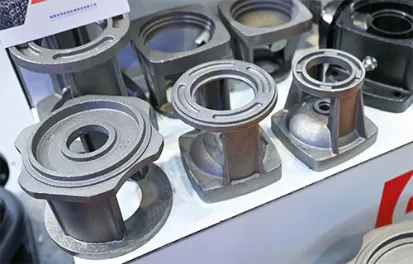
- Hemispherical End Caps These provide excellent pressure resistance due to their shape, making them ideal for high-pressure applications. Their curvature allows for the equal distribution of stress across the cap.
- Elliptical End Caps Often used for large vessels, elliptical end caps offer a balance between strength and ease of manufacturing. They are particularly effective in distributing pressure loads.
Manufacturing Processes
The manufacture of pressure vessel end caps requires precision engineering and adherence to safety standards. Common methods include
1. Welding Many end caps are welded to the main body of the vessel to prevent leaks. The welding process must be meticulously controlled to ensure a strong bond and eliminate weak points.
2. Hydroforming This process involves using a high-pressure fluid to shape the metal into the desired form. Hydroforming is advantageous for producing shapes that require smooth surfaces and uniform thickness.
3. Stamping For flat end caps, stamping may be employed. This process involves cutting and shaping metal sheets into the required dimensions, making it a cost-effective method for mass production.
4. Casting In some cases, especially for complex shapes, end caps may be cast from metal. This technique allows for intricate designs and can be more efficient for large components.
Importance of Quality and Standards
Given the high stakes associated with pressure vessels, the quality of end caps cannot be overstated. They must comply with industry standards such as the ASME (American Society of Mechanical Engineers) Boiler and Pressure Vessel Code, which provides guidelines for the design, materials, and testing of pressure vessels and their components. Rigorous quality control measures and inspections are essential to ensure that end caps can withstand the intended service conditions.
Conclusion
End caps are more than just structural components; they play a vital role in the safety and efficiency of pressure vessels. From sealing and pressure resistance to facilitating maintenance, the importance of choosing the right end cap cannot be overlooked. As industries continue to evolve, the design and manufacturing techniques for pressure vessel end caps will likely advance, enhancing their performance and reliability in critical applications. Understanding these components better prepares engineers and operators to make informed decisions, ensuring optimal function and safety in their operations.
-
Precision Valve Castings for Agricultural Irrigation and Fluid Control SystemsNewsMay.08,2026
-
Precision Impeller and Compressor Components for Agricultural MachineryNewsMay.08,2026
-
Essential Cast Components for Agricultural Machinery: Oil Management and Motor ProtectionNewsMay.08,2026
-
High-Performance Cast Components for Agricultural Machinery: From Cooling to Exhaust SystemsNewsMay.08,2026
-
Agricultural Valve Castings: Durable Flow Control Solutions for Farm Irrigation SystemsNewsMay.08,2026
-
High-Performance Agricultural Pump Components: Precision Castings for Reliable Farm OperationsNewsMay.08,2026