English

Mobile:+86-311-8081-2683
Email:info@ydcastings.com
English
pressure die casting of aluminium
Pressure Die Casting of Aluminium An Overview
Pressure die casting is a highly efficient and versatile manufacturing process utilized primarily for producing complex and precise aluminum components. This technique has gained popularity in various industries, including automotive, aerospace, electronics, and consumer goods, due to its ability to produce high-quality parts with excellent surface finishes and dimensional accuracy. In this article, we will explore the principles, advantages, applications, and challenges of pressure die casting of aluminum.
Principles of Pressure Die Casting
Pressure die casting involves forcing molten aluminum into a mold cavity under high pressure, allowing the metal to fill the mold quickly and evenly. The process begins with melting aluminum ingots in a furnace, where the metal reaches a temperature suitable for casting. Once the aluminum is molten, it is transported to a die casting machine equipped with a two-part mold (or die).
The die has two halves the fixed half and the movable half. When the machine operates, the movable half closes onto the fixed half, and the molten aluminum is injected into the cavity at high pressure, typically ranging from several hundred to thousands of psi. This rapid filling prevents the gas from escaping and ensures the metal fills all intricacies of the mold design. After sufficient cooling, the die opens, and the finished part is ejected.
Advantages of Pressure Die Casting
The pressure die casting process offers several key advantages
1. High Precision and Dimensional Tolerance Pressure die casting can produce parts with tight tolerances and intricate shapes, making it ideal for applications requiring high precision.
2. Excellent Surface Finish Parts produced using this method often require minimal post-processing due to their smooth surfaces, which reduces the need for secondary operations such as machining or polishing.
3. Rapid Production Rates The process allows for quick cycle times, producing large quantities of components in a relatively short period. This characteristic is essential for industries with high-volume needs.
4. Material Efficiency The process minimizes waste by utilizing nearly 100% of the molten metal, making it a cost-effective manufacturing option.
5. Versatile Material Options While aluminum is the most common material used in pressure die casting, the process is also compatible with other non-ferrous metals, including zinc and magnesium.
Applications of Pressure Die Casting
pressure die casting of aluminium
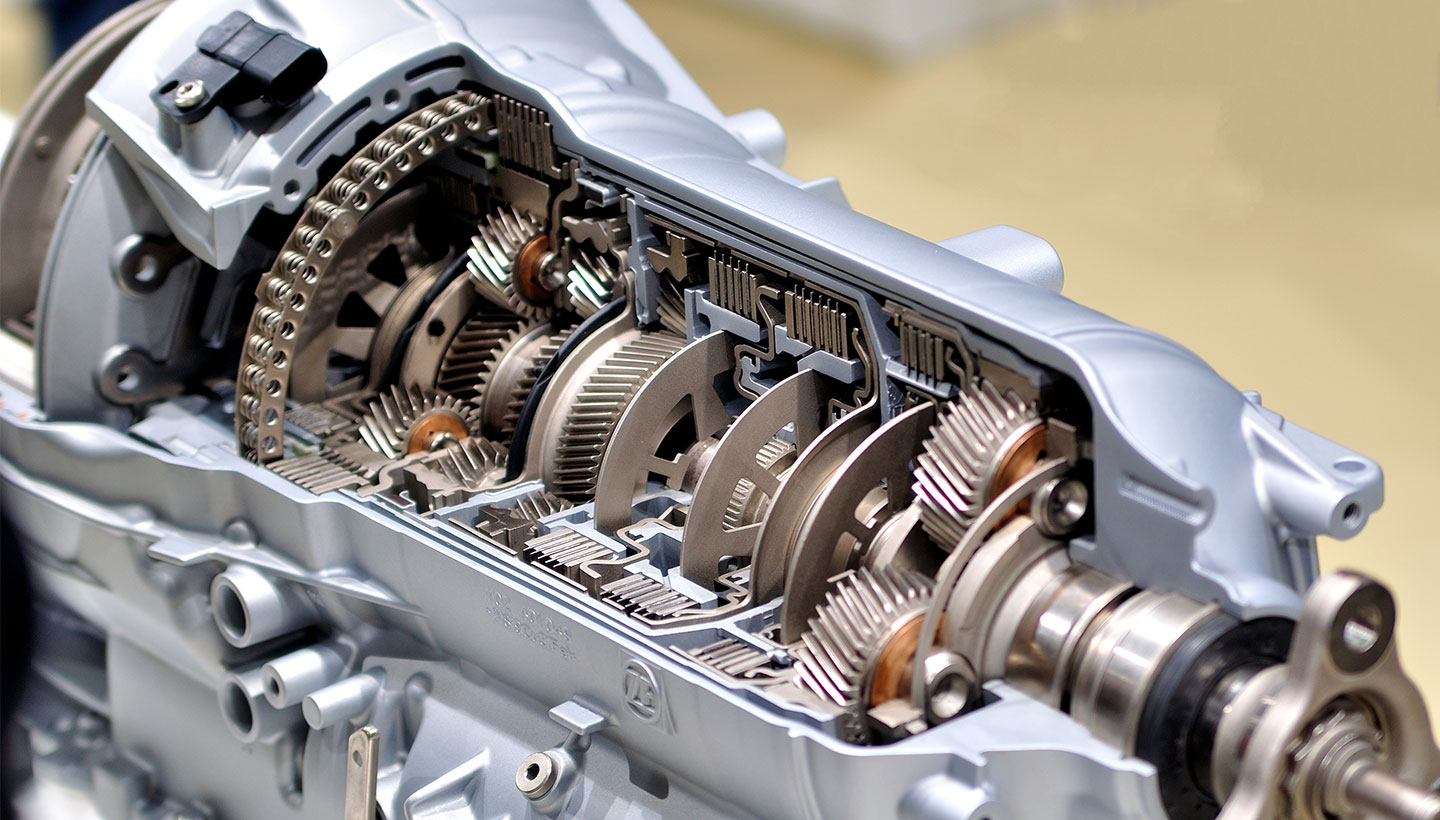
Aluminum pressure die casting is widely applied across various industries due to its unique capabilities
. Common applications include- Automotive Components Engine blocks, transmission cases, and structural components are often manufactured using this method due to aluminum's lightweight characteristics and strength.
- Aerospace Parts The aerospace industry leverages pressure die casting to produce components that require high strength-to-weight ratios and resistance to high temperatures.
- Consumer Electronics Many electronic housings and components utilize pressure die casting for their complex shapes and aesthetic finishes.
- Industrial Equipment Components such as housings, brackets, and conveyor parts benefit from the efficiency and precision of this process.
Challenges in Pressure Die Casting
Despite its numerous advantages, pressure die casting also presents a few challenges
1. Initial Setup Cost The cost of designing and fabricating dies can be significant, making it less economical for short-run production compared to other methods.
2. Limited Material Options While aluminum and its alloys are frequently used, pressure die casting is less suitable for some metal materials due to fluidity and solidification characteristics.
3. Porosity Issues Depending on the casting process and cooling rates, parts may experience porosity, which can affect mechanical properties and overall performance.
4. Technical Expertise Required Mastering pressure die casting requires significant technical knowledge to optimize processes, manage equipment, and ensure quality.
Conclusion
Pressure die casting of aluminum is a proven and effective method for producing high-quality, intricate components across various industries. Its benefits—such as high precision, excellent surface finishes, and rapid production capabilities—make it a preferred choice for manufacturers. Despite facing challenges, the continuous advancement in die casting technology and processes promises to enhance its application and efficiency in the years to come. As industries evolve, the demand for innovative manufacturing solutions, like pressure die casting, will only grow, ensuring its relevance in modern manufacturing.
-
Choosing an Engine Storage Crate Cover for Material and EnvironmentNewsNov.23,2026
-
Cylinder Head Chamber Buyers: Check the Casting Specification FirstNewsNov.17,2026
-
How Impeller Casting Manufacturers Match Material, Process and EquipmentNewsNov.15,2026
-
Valve body vs. intake air chamber: Which casting fits your assembly?NewsNov.02,2026
-
Air Intake Chamber FAQ: Specifications, Ordering and Support QuestionsNewsOct.28,2026
-
Motorcycle Accessories FAQ: Specifications, Ordering and Support QuestionsNewsOct.24,2026










