English

Mobile:+86-311-8081-2683
Email:info@ydcastings.com
English
Innovative Techniques in Precision Metal Casting for Enhanced Product Quality and Performance
The Evolution and Importance of Precision Casting in Modern Manufacturing
Precision casting, a process that has revolutionized the manufacturing industry, combines art and engineering to produce high-quality metal parts with intricate geometries. As industries increasingly demand components that not only meet stringent quality standards but also feature complex designs, precision casting stands out as an efficient and cost-effective solution.
At its core, precision casting involves creating a metal part by pouring molten metal into a mold that has been precisely engineered to capture the part's intricate details. This method allows for high levels of accuracy and consistency in the final product. Unlike traditional casting processes, which often require extensive machining to achieve desired specifications, precision casting minimizes the need for secondary operations. This not only reduces production time but also lowers costs while improving overall material efficiency.
Historical Context
The roots of precision casting can be traced back to ancient civilizations, where craftsmen would create molds from sand or clay to cast bronze and other metals. Over time, advancements in material science, metallurgy, and mold-making techniques have significantly enhanced the capabilities of this process. The introduction of newer materials, such as investment casting wax and advanced ceramics, has allowed for even more precise and detailed casts.
In the last few decades, precision casting has seen a remarkable transformation due to technological advancements. The introduction of computer-aided design (CAD) and computer-aided manufacturing (CAM) systems has significantly improved the design phase, allowing engineers to develop more complex and optimized molds. Additionally, contemporary casting technologies, such as 3D printing of molds, have further streamlined the process, reducing lead times and increasing flexibility in production.
Applications Across Industries
precision casting
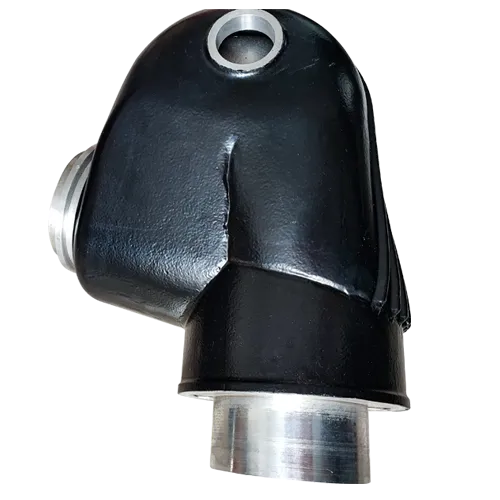
Precision casting has found applications in a vast array of industries, including aerospace, automotive, medical devices, and electronics. In the aerospace sector, parts must withstand extreme temperatures and pressures, making the precision and reliability offered by precision casting essential. Similarly, the automotive industry utilizes precision casting to create lightweight yet highly durable components, contributing to overall vehicle efficiency.
In the medical field, precision casting is imperative for producing surgical instruments and implants. The need for exact specifications is non-negotiable; even the slightest deviation can compromise safety and effectiveness. Precision casting not only ensures uniformity in these critical components but also allows for the creation of complex geometries that would be impossible with traditional manufacturing methods.
Environmental Impacts and Future Trends
As global awareness of environmental issues rises, the precision casting industry is making strides toward more sustainable practices. Innovations in materials, such as recyclable metal alloys and eco-friendly casting processes, are being developed to minimize waste and reduce energy consumption. Furthermore, the trend toward additive manufacturing—where components are built layer by layer—complements precision casting by allowing for even greater design flexibility and waste reduction.
Looking to the future, it is expected that precision casting will continue to evolve, driven by advances in technology and materials. The integration of artificial intelligence (AI) and machine learning into the casting process has the potential to optimize production through predictive maintenance and improved quality control. As industries continue to push the boundaries of what is possible in design and functionality, precision casting will undoubtedly play a critical role in meeting these challenges.
Conclusion
In conclusion, precision casting is a vital manufacturing process that has established itself as a cornerstone of modern industrial production. Its ability to produce high-quality, intricate parts swiftly and cost-effectively makes it an indispensable technique across diverse fields. As technology advances and industries evolve, precision casting will continue to adapt and thrive, ensuring its relevance in the ever-changing landscape of manufacturing. Ultimately, the blend of tradition and innovation within precision casting exemplifies the ingenuity and resilience of the manufacturing sector, paving the way for groundbreaking advancements in the future.
-
Choosing an Engine Storage Crate Cover for Material and EnvironmentNewsNov.23,2026
-
Cylinder Head Chamber Buyers: Check the Casting Specification FirstNewsNov.17,2026
-
How Impeller Casting Manufacturers Match Material, Process and EquipmentNewsNov.15,2026
-
Valve body vs. intake air chamber: Which casting fits your assembly?NewsNov.02,2026
-
Air Intake Chamber FAQ: Specifications, Ordering and Support QuestionsNewsOct.28,2026
-
Motorcycle Accessories FAQ: Specifications, Ordering and Support QuestionsNewsOct.24,2026










