English

Mobile:+86-311-8081-2683
Email:info@ydcastings.com
English
Feb . 10, 2025 09:19
Back to list
pipe end cap metal
Selecting the right pipe end cap metal is critical in numerous industrial and construction applications. With decades of experience in the field, understanding the intricacies of material selection can profoundly influence performance and safety. Pipe end caps serve multiple functions sealing pipe ends, ensuring safety by covering sharp edges, and providing structural benefits by supporting pipe integrity.
Consulting with engineers and material scientists is always recommended when selecting pipe end caps, as they can provide insights into the long-term performance and safety implications of different metals. This professional guidance not only secures the system’s reliability but also ensures cost-efficiency through the lifecycle of the installation. Manufacturers offering metal pipe end caps should present transparent data sheets and certifications to reinforce their authority in the market. Specifications concerning pressure ratings, temperature resistance, and metallurgical compositions should be clearly articulated. When a manufacturer displays comprehensive data, it reassures clients of the product’s trustworthy performance, thereby enhancing its credibility. In light of increased environmental awareness and sustainability demands, manufacturers are also focusing on the recyclability and eco-friendliness of their metal choices. A shift towards using recyclable materials like certain grades of stainless steel not only promotes environmental responsibility but also provides additional value propositions to clients who are keen on reducing their ecological footprint. Choosing the right pipe end cap metal is not merely a matter of selecting the material with the most appealing attributes. It involves an in-depth analysis integrating experience, expertise, authoritativeness, and trustworthiness to ensure optimal performance. By focusing on these core principles, companies can significantly enhance their operational efficacy and market reputation.
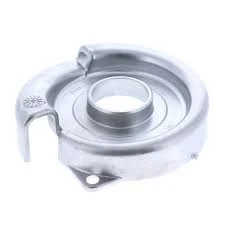
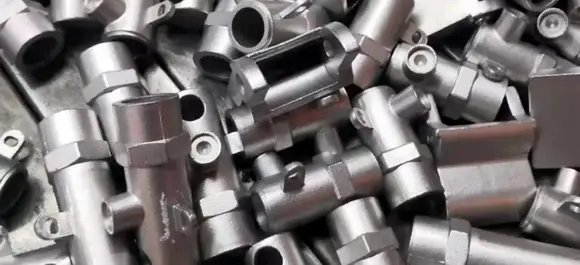
Consulting with engineers and material scientists is always recommended when selecting pipe end caps, as they can provide insights into the long-term performance and safety implications of different metals. This professional guidance not only secures the system’s reliability but also ensures cost-efficiency through the lifecycle of the installation. Manufacturers offering metal pipe end caps should present transparent data sheets and certifications to reinforce their authority in the market. Specifications concerning pressure ratings, temperature resistance, and metallurgical compositions should be clearly articulated. When a manufacturer displays comprehensive data, it reassures clients of the product’s trustworthy performance, thereby enhancing its credibility. In light of increased environmental awareness and sustainability demands, manufacturers are also focusing on the recyclability and eco-friendliness of their metal choices. A shift towards using recyclable materials like certain grades of stainless steel not only promotes environmental responsibility but also provides additional value propositions to clients who are keen on reducing their ecological footprint. Choosing the right pipe end cap metal is not merely a matter of selecting the material with the most appealing attributes. It involves an in-depth analysis integrating experience, expertise, authoritativeness, and trustworthiness to ensure optimal performance. By focusing on these core principles, companies can significantly enhance their operational efficacy and market reputation.
Next:
Latest news
-
Choosing an Engine Storage Crate Cover for Material and EnvironmentNewsNov.23,2026
-
Cylinder Head Chamber Buyers: Check the Casting Specification FirstNewsNov.17,2026
-
How Impeller Casting Manufacturers Match Material, Process and EquipmentNewsNov.15,2026
-
Valve body vs. intake air chamber: Which casting fits your assembly?NewsNov.02,2026
-
Air Intake Chamber FAQ: Specifications, Ordering and Support QuestionsNewsOct.28,2026
-
Motorcycle Accessories FAQ: Specifications, Ordering and Support QuestionsNewsOct.24,2026
Related PRODUCTS










