English

Mobile:+86-311-808-126-83
Email:info@ydcastings.com
English
pipe caps and plugs
The Importance of Pipe Caps and Plugs in Plumbing and Industrial Applications
In the world of plumbing and industrial applications, maintaining the integrity of piping systems is crucial for ensuring safety and efficiency. One often overlooked component that plays a significant role in these systems is pipe caps and plugs. These fittings offer a variety of functions, ranging from sealing open ends to preventing contamination and allowing for easy maintenance. Understanding their importance can help both professionals and hobbyists make informed decisions when working with pipes.
What are Pipe Caps and Plugs?
Pipe caps and plugs are fittings used to close the ends of pipes. While they may seem simple, they are vital for maintaining the functionality of a piping system. Pipe caps are typically designed to cover the end of a pipe completely, creating a seal that prevents leakage. On the other hand, pipe plugs can be threaded or non-threaded and are used to fill the pipe or prevent substances from entering or exiting through the open end.
Applications of Pipe Caps and Plugs
1. Sealing and Containment One of the primary uses of pipe caps and plugs is to seal pipes to prevent leakage. In situations where pipes may be inactive for an extended period, such as during construction or maintenance, these fittings ensure that no fluids escape and that the interiors remain clean.
2. Protection Against Contaminants In industrial environments, pipes can be susceptible to contamination from dust, debris, or environmental pollutants. Using pipe caps and plugs protects the interior of the pipes, ensuring that no unwanted substances compromise the integrity of the system.
3. Safety Safety is paramount in any plumbing or industrial setting. Open pipe ends can pose hazards, such as accidental trips or exposure to dangerous chemicals. By using caps and plugs, businesses can minimize these risks and promote a safer working environment.
pipe caps and plugs
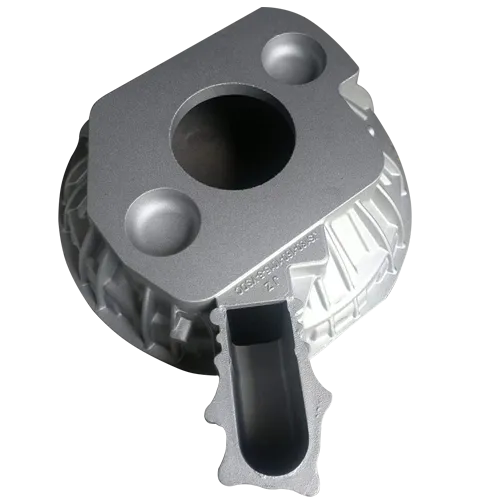
4. Test and Maintenance Pipe caps and plugs are instrumental in testing and maintenance procedures. For example, when conducting pressure tests, caps can be used to seal off portions of the piping system to evaluate the integrity without the risk of leaks. Furthermore, they allow technicians to access specific sections of a pipe for maintenance without having to drain the entire system.
5. Versatility Pipe caps and plugs are available in a variety of materials, including plastic, metal, and rubber. This versatility allows them to be used in numerous applications, from residential plumbing to heavy industrial settings. The choice of material often depends on the specific requirements, such as temperature resistance, chemical exposure, and pressure ratings.
Installation and Best Practices
Installing pipe caps and plugs is generally straightforward, but there are several best practices to follow to ensure reliability. Firstly, always ensure that the pipe end is clean and free from debris before applying a fitting. This helps to create a better seal. When dealing with threaded fittings, it is advisable to use thread sealants or Teflon tape to prevent leaks. Additionally, proper size selection is critical; using the wrong size can lead to ineffective sealing and potential system failures.
Regular inspections of caps and plugs should also be part of a maintenance routine. Over time, environmental conditions and the nature of the fluids in the pipes can cause wear and tear. Replacing degraded fittings promptly can help avoid unexpected issues down the line.
Conclusion
In conclusion, pipe caps and plugs may seem like minor components in the grand scheme of plumbing and industrial systems, but their role in maintaining system integrity, safety, and efficiency is undeniable. By understanding their applications and adhering to best practices in installation and maintenance, professionals and DIY enthusiasts alike can ensure the longevity and functionality of their piping systems. Investing in high-quality caps and plugs is not merely a precaution; it's a commitment to operational excellence and safety.
-
Advanced Manufacturing Technologies in Modern Industrial ProductionNewsMay.22,2026
-
Engine Oil Management Tools: Essential Solutions for Clean and Efficient Automotive MaintenanceNewsMay.22,2026
-
Car Water Pump Systems: Efficiency, Cleaning Applications, and Market OverviewNewsMay.22,2026
-
Industrial Valve Castings and Flow Control Solutions in Modern EngineeringNewsMay.22,2026
-
Aluminum End Caps and Compression Solutions: A Complete Guide for Modern ApplicationsNewsMay.22,2026
-
Precision Valve Castings for Agricultural Irrigation and Fluid Control SystemsNewsMay.08,2026