English

Mobile:+86-311-8081-2683
Email:info@ydcastings.com
English
peristaltic pump tubing connectors
Understanding Peristaltic Pump Tubing Connectors
Peristaltic pumps have earned a strong reputation across various industries for their versatility and reliability in transferring fluids. One of the vital components that influence the performance of a peristaltic pump is its tubing and connectors. This article aims to delve into the importance of tubing connectors in peristaltic pumping systems and how they enhance operational efficiency.
What is a Peristaltic Pump?
Before diving into tubing connectors, it's essential to understand the workings of a peristaltic pump. This type of pump operates by compressing and releasing flexible tubing. As the pump rotor turns, rollers push against the tubing at specific intervals, creating a vacuum and consequently drawing liquid through the tube. The unique design allows for precise flow control and the ability to handle a wide range of fluids, including shear-sensitive materials and abrasive liquids.
The Role of Tubing Connectors
Tubing connectors serve as the critical link between the peristaltic pump and the tubing itself. These connectors must maintain a secure and leak-free connection to ensure the efficient transport of fluids. When a pump operates, the connectors must withstand the mechanical forces exerted by the tubing's constant movement during the pumping cycle.
Types of Tubing Connectors
Several types of tubing connectors are available, each designed for specific applications and scenarios
1. Barbed Connectors These are the most common connectors used in peristaltic pumps. The barbed design ensures a tight fit with the tubing, preventing slippage and fluid leaks. They are typically made from various materials, including polypropylene and polyethylene, providing good chemical resistance.
peristaltic pump tubing connectors
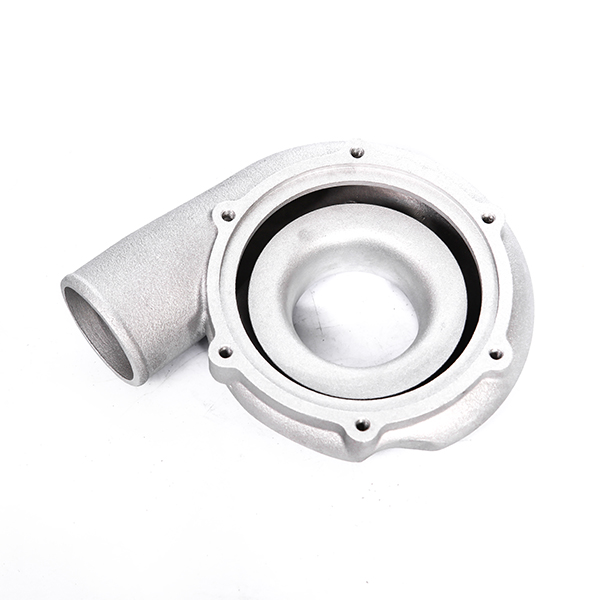
2. Luer Lock Connectors For applications requiring precision, luer lock connectors provide a secure and leak-proof connection. These connectors are often used in medical and laboratory settings, offering a standardized interface for syringes and tubing.
3. Quick Connect/Disconnect Fittings These fittings allow for rapid assembly and disassembly of tubing and are particularly useful in environments where frequent changes and cleanouts are necessary. They minimize downtime and streamline fluid transfer processes.
4. Screwed Connectors Perfect for high-pressure applications, these connectors use threaded interfaces to maintain a robust seal. They are often utilized in industrial applications where pressure buildup is common.
Material Selection for Tubing Connectors
Choosing the right material for tubing connectors is vital for ensuring compatibility with the fluid being pumped. Common materials include
- PVC Cost-effective and resistant to corrosive substances, making it ideal for various applications. - Stainless Steel Known for its durability and resistance to corrosion, stainless steel connectors are often used in hygienic and high-pressure situations. - PTFE (Teflon) Provides excellent chemical resistance and is ideal for transferring harsh or aggressive fluids.
Conclusion
The role of tubing connectors in peristaltic pump systems is paramount to ensuring efficiency, reliability, and safety during fluid transfer processes. By selecting the appropriate type of connector and material, industries can optimize their pumping systems to handle a variety of applications. Whether in pharmaceutical manufacturing, food processing, or chemical handling, understanding the significance of tubing connectors is integral to maintaining the operational integrity of peristaltic pumps. As fluid transfer technology continues to innovate, staying informed about advancements in tubing connectors will undoubtedly aid companies in achieving optimal performance and safety in their processes.
-
Choosing an Engine Storage Crate Cover for Material and EnvironmentNewsNov.23,2026
-
Cylinder Head Chamber Buyers: Check the Casting Specification FirstNewsNov.17,2026
-
How Impeller Casting Manufacturers Match Material, Process and EquipmentNewsNov.15,2026
-
Valve body vs. intake air chamber: Which casting fits your assembly?NewsNov.02,2026
-
Air Intake Chamber FAQ: Specifications, Ordering and Support QuestionsNewsOct.28,2026
-
Motorcycle Accessories FAQ: Specifications, Ordering and Support QuestionsNewsOct.24,2026










