English

Mobile:+86-311-808-126-83
Email:info@ydcastings.com
English
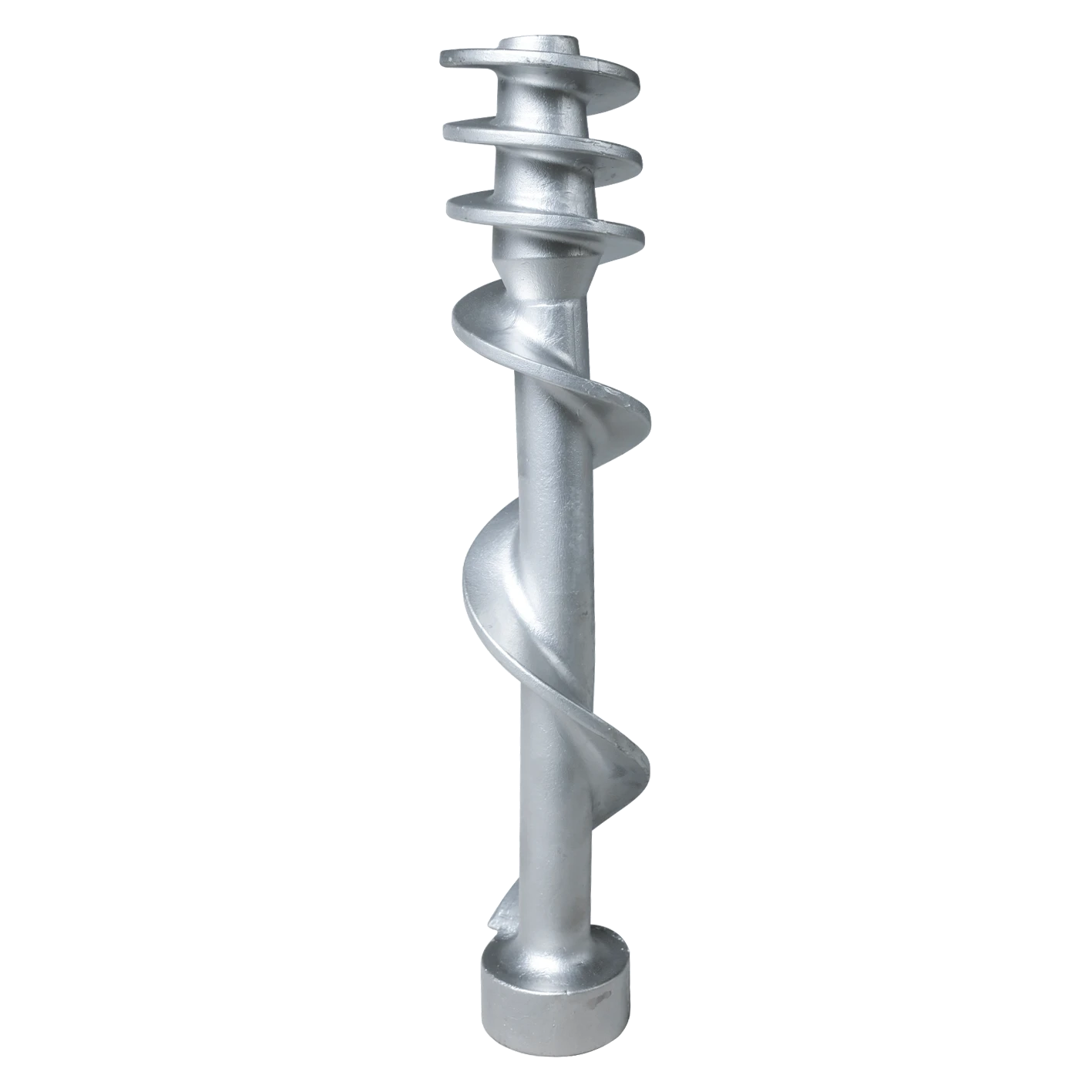
overhead mixer impeller
Understanding Overhead Mixer Impellers A Key Component in Industrial Mixing
Overhead mixers equipped with impellers play a crucial role in various industrial processes, ranging from food and beverage production to pharmaceuticals and chemical manufacturing. These mixers are essential for ensuring homogeneity in mixtures, enhancing reaction rates, and improving product quality. In this article, we will explore the significance of overhead mixer impellers, their design, types, and applications.
The Importance of Overhead Mixers
Overhead mixers utilize a vertical or tilted design, allowing them to achieve effective mixing for large volumes of material. This capability is essential in industries where consistent product characteristics are paramount. Unlike portable mixers, overhead mixers can handle heavier batches and are typically used in fixed applications where large vessels are involved. Their robust construction ensures durability and longevity in demanding environments.
Impellers The Heart of the Mixing Process
At the core of any overhead mixer is the impeller. The impeller's design, size, and configuration significantly influence the mixing efficiency and effectiveness. When selecting an impeller, manufacturers must consider the properties of the materials being mixed, including viscosity, density, and temperature, as well as the desired outcomes of the mixing process.
Types of Impellers
There are several types of impellers, each suited for specific applications
1. Propeller Impellers These are commonly used in low-viscosity applications. Propeller impellers generate high flow rates and are efficient for quickly homogenizing liquids. They work by drawing liquid into the blades and pushing it outward, creating a vortex that promotes mixing.
2. Turbine Impellers Ideal for medium to high-viscosity fluids, turbine impellers have multiple blades that can create significant shear and agitation. They are predominantly used in applications requiring thorough mixing and can create axial and radial flow patterns.
3. Anchor Impellers Designed for very viscous materials, anchor impellers fit snugly against the walls of the mixing vessel. They mix by scraping the vessel's sides and stirring the contents efficiently. This type of impeller is commonly used in paste and slurry applications.
4. Blade Impellers These are versatile designs that offer a good balance between shear and flow. They can be used for a wide range of applications, from low-viscosity to moderately viscous fluids.
5. Disc Impellers Known for their capability to handle very low and very high viscosity materials, disc impellers are used in specialized applications such as emulsifying and dispersing.
Factors Influencing Impeller Selection
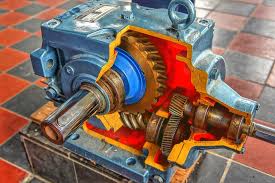
overhead mixer impeller
When choosing an impeller for an overhead mixer, it’s essential to consider factors such as
- Viscosity of the Mixture The lower the viscosity, the faster the mixing. Conversely, more viscous mixtures require impellers that generate higher shear and turbulence.
- Desired Mixing Speed The impeller design must accommodate the desired mixing speed, as some applications require rapid mixing, while others benefit from slower, more controlled agitation.
- Shear Sensitivity Some materials can be sensitive to shear. For these mixtures, selecting an impeller that minimizes shear during the mixing process is vital.
- Volume of the Batch Larger batches might necessitate a more robust impeller design to ensure uniform mixing throughout the entire volume.
Applications of Overhead Mixer Impellers
Overhead mixer impellers find applications in a wide range of industries
- Food and Beverage Used for mixing ingredients, dispersing solids, and creating emulsions in products like sauces, dressings, and beverages.
- Pharmaceuticals Essential for blending powders, suspensions, and ensuring uniformity in pharmaceutical formulations.
- Chemicals Employed in the mixing of chemical compounds, especially in the production of paints, coatings, and adhesives.
- Cosmetics Vital in creating lotions, creams, and other formulations requiring consistent texture and composition.
Conclusion
Overhead mixer impellers are integral to various industrial mixing processes, playing a significant role in determining the quality and characteristics of end products. Understanding the different types of impellers, their applications, and the factors influencing their selection is crucial for optimizing mixing efficiency and achieving desired outcomes. As industries continue to evolve, the importance of effective mixing, driven by specialized impellers, will remain a fundamental aspect of production and formulation across multiple sectors.
-
Advanced Manufacturing Technologies in Modern Industrial ProductionNewsMay.22,2026
-
Engine Oil Management Tools: Essential Solutions for Clean and Efficient Automotive MaintenanceNewsMay.22,2026
-
Car Water Pump Systems: Efficiency, Cleaning Applications, and Market OverviewNewsMay.22,2026
-
Industrial Valve Castings and Flow Control Solutions in Modern EngineeringNewsMay.22,2026
-
Aluminum End Caps and Compression Solutions: A Complete Guide for Modern ApplicationsNewsMay.22,2026
-
Precision Valve Castings for Agricultural Irrigation and Fluid Control SystemsNewsMay.08,2026