English

Mobile:+86-311-8081-2683
Email:info@ydcastings.com
English
Optimizing Turbocharger Housing for Enhanced Performance and Efficiency in Automotive Engines
Understanding Turbocharger Housing Key Components and Functions
The turbocharger has become an essential component in modern automotive engineering, enhancing engine performance while maintaining efficient fuel consumption. At the heart of this technology lies the turbocharger housing, a critical part that plays a pivotal role in its operation. In this article, we will delve into the concept of turbocharger housing, its structure, materials, and its impact on overall vehicle performance.
What is Turbocharger Housing?
Turbocharger housing consists of two main sections the turbine housing and the compressor housing. The turbine housing is where exhaust gases from the engine enter and spin the turbine wheel, while the compressor housing is where ambient air is drawn in, compressed, and sent to the engine's intake. Together, these two sections encapsulate the core function of the turbocharger, converting waste exhaust into usable power and improving engine efficiency.
Key Components of Turbocharger Housing
1. Turbine Housing The turbine housing is designed to withstand high temperatures and pressures. It channels the exhaust gases efficiently to maximize turbine speed. The housing is typically made from cast iron or stainless steel due to their high heat resistance and durability.
2. Compressor Housing This section is designed to house the compressor wheel and direct airflow into the engine. It is crucial for boosting engine power by compressing the incoming air, making it denser and, consequently, allowing more oxygen to reach the engine's combustion chamber. The compressor housing is generally made from aluminum or magnesium alloys, which keep it lightweight without compromising strength.
3. Dividers and Scrolls Inside the turbine housing, a scroll design is often used to improve the efficiency of gas flow. The scroll helps direct the exhaust gases smoothly to the turbine wheel, minimizing turbulence and ensuring optimal performance.
4. Wastegate Integration Many turbocharger housings feature an integrated wastegate, which regulates the boost pressure and prevents the turbocharger from producing excessive boost. This function is critical for protecting the engine from damage due to over-boosting, which can lead to severe engine failure.
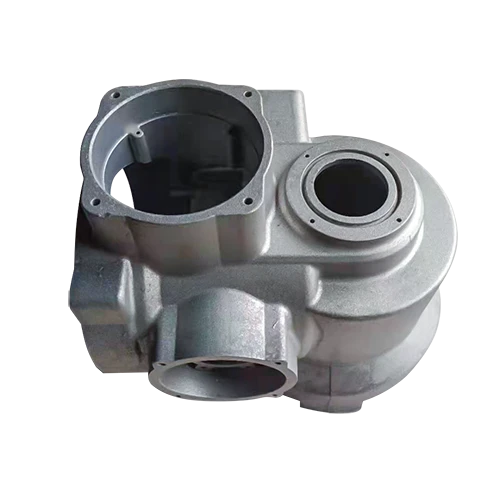
turbo charger housing
Materials Used in Turbocharger Housing
The choice of materials in turbocharger housing is crucial for performance and longevity. Typically, manufacturers use
- Cast Iron Ideal for turbine housings because it can withstand high thermal stress and corrosion from exhaust gases. - Aluminum Alloys Commonly used for compressor housings due to their lightweight nature, which helps reduce overall engine weight and enhance responsiveness.
- Stainless Steel Sometimes used in high-performance setups to enhance durability, especially in areas exposed to extreme temperatures.
Performance Impact
The design and materials of turbocharger housing significantly impact the performance of a turbocharged engine. A well-engineered housing can lead to improved airflow, quicker spool times, and enhanced engine response. In contrast, a poorly designed housing can create excessive back pressure and turbulence, hindering performance and efficiency.
Moreover, advancements in technology have led to the development of variable geometry turbochargers, which utilize advanced housing designs to optimize performance across a broader range of engine speeds. These turbochargers adjust their geometry on-the-fly, providing optimal boost pressure and improving throttle response, particularly in smaller engines that benefit from enhanced drivability.
Conclusion
Turbocharger housing is a vital component in optimizing engine performance and efficiency. By efficiently managing exhaust gases and compressing intake air, it enhances power output without significantly increasing fuel consumption. As automotive technology continues to advance, the design and materials used in turbocharger housing will evolve, leading to even greater enhancements in engine performance, fuel economy, and overall vehicle reliability. Understanding this component is essential for anyone involved in automotive engineering, tuning, or maintenance, as it underscores the importance of innovation in achieving better performance from internal combustion engines.
-
Choosing an Engine Storage Crate Cover for Material and EnvironmentNewsNov.23,2026
-
Cylinder Head Chamber Buyers: Check the Casting Specification FirstNewsNov.17,2026
-
How Impeller Casting Manufacturers Match Material, Process and EquipmentNewsNov.15,2026
-
Valve body vs. intake air chamber: Which casting fits your assembly?NewsNov.02,2026
-
Air Intake Chamber FAQ: Specifications, Ordering and Support QuestionsNewsOct.28,2026
-
Motorcycle Accessories FAQ: Specifications, Ordering and Support QuestionsNewsOct.24,2026










