English

Mobile:+86-311-8081-2683
Email:info@ydcastings.com
English
OM648 Engine Exhaust Manifold Replacement and Performance Enhancement Guide
Understanding the OM648 Exhaust Manifold Features and Functionality
The OM648 engine, a powerhouse developed by Daimler AG, has proven itself in various applications ranging from passenger vehicles to commercial trucks. At the heart of this engine's performance lies its exhaust manifold, a critical component in directing exhaust gases away from the engine while also contributing to overall engine efficiency. In this article, we will explore the features, functionality, and importance of the OM648 exhaust manifold.
Design and Features
The exhaust manifold in the OM648 engine is crafted from high-grade cast iron, which offers excellent thermal properties and resistance to corrosion. Its robust design is engineered to withstand the high temperatures and pressures generated during combustion. The manifold is configured to efficiently collect exhaust gases from the engine cylinders, allowing for smooth and uninterrupted flow towards the turbocharger or exhaust system.
An important feature of the OM648 exhaust manifold is its integrated design, which often includes provisions for EGR (Exhaust Gas Recirculation) systems. This integration helps in reducing nitrogen oxides (NOx) emissions by reintroducing a portion of exhaust gases back into the combustion chamber. This not only enhances fuel efficiency but also plays a crucial role in meeting stringent emissions regulations.
Functionality
The primary function of the exhaust manifold is to funnel exhaust gases from the engine cylinders into the exhaust system, ultimately leading to the environment. As the engine operates, exhaust gases are produced as a byproduct of fuel combustion. The manifold collects these gases and directs them efficiently, reducing back pressure and ensuring that the engine can operate optimally.
om648 exhaust manifold
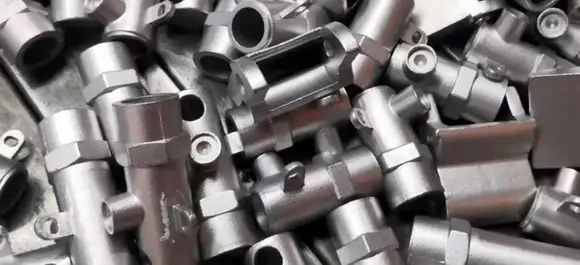
Moreover, the design of the OM648 exhaust manifold allows for effective thermal management. By allowing hot exhaust gases to exit quickly, the manifold helps maintain optimal engine temperatures, which is essential for engine longevity and performance. Additionally, the manifold's shape is engineered to minimize turbulence, ensuring a steady flow of exhaust gases which enhances the performance of the turbocharger.
Significance for Performance and Emissions
The performance of the OM648 engine is heavily reliant on the efficiency of its exhaust manifold. A well-functioning manifold leads to improved turbo response and power delivery. In contrast, a damaged or clogged manifold can hinder exhaust flow, negatively impacting engine performance, fuel efficiency, and overall drivability.
From an emissions standpoint, the importance of the exhaust manifold becomes even more pronounced. With modern regulations imposing strict limits on vehicle emissions, components like the OM648 exhaust manifold play a pivotal role in an engine’s ability to comply with these standards. By facilitating the proper functioning of EGR systems and promoting efficient exhaust flow, the manifold contributes to a cleaner environment.
Conclusion
In summary, the exhaust manifold of the OM648 engine is a vital component that significantly impacts both performance and emissions. Its robust design, efficient thermal management, and integration with emissions control systems are attributes that highlight its importance in modern engine technology. Understanding the role of the exhaust manifold not only enhances appreciation for automotive engineering but also underscores the ongoing efforts to create more efficient and environmentally friendly vehicles. As technology continues to evolve, components like the OM648 exhaust manifold will remain crucial in shaping the future of automotive performance and emissions control.
-
Choosing an Engine Storage Crate Cover for Material and EnvironmentNewsNov.23,2026
-
Cylinder Head Chamber Buyers: Check the Casting Specification FirstNewsNov.17,2026
-
How Impeller Casting Manufacturers Match Material, Process and EquipmentNewsNov.15,2026
-
Valve body vs. intake air chamber: Which casting fits your assembly?NewsNov.02,2026
-
Air Intake Chamber FAQ: Specifications, Ordering and Support QuestionsNewsOct.28,2026
-
Motorcycle Accessories FAQ: Specifications, Ordering and Support QuestionsNewsOct.24,2026










