English

Mobile:+86-311-8081-2683
Email:info@ydcastings.com
English
Optimizing Performance of OM617 Diesel Engine Exhaust Manifold for Enhanced Efficiency
Understanding the OM617 Exhaust Manifold Design, Function, and Performance
The OM617 engine, a five-cylinder turbocharged diesel engine developed by Mercedes-Benz, is renowned for its durability, efficiency, and robust performance. A key component of this engine is the exhaust manifold, a critical element that plays a significant role in controlling exhaust flow and enhancing engine performance. In this article, we will delve into the design, functions, and performance impacts of the OM617 exhaust manifold.
Design Features
The exhaust manifold of the OM617 engine is typically made from cast iron, which is known for its excellent heat resistance and ability to withstand high temperatures generated during combustion. The manifold is designed to collect exhaust gases from the engine cylinders and direct them into the turbocharger or exhaust pipe. The design often features individual runners for each cylinder, ensuring that the exhaust flow from each cylinder is efficiently channeled without excessive back pressure.
The configuration of the manifold is crucial for optimizing performance. A well-designed manifold reduces turbulence in the exhaust flow, allowing for quicker spool-up of the turbocharger, which directly translates to improved throttle response and power output. Furthermore, the manifold's layout can influence the engine's overall efficiency and emissions, making it a focal point for performance tuning and modifications.
Function of the Exhaust Manifold
The primary function of the exhaust manifold is to gather exhaust gases from the engine and route them to the exhaust system. During combustion, each cylinder expels exhaust gases that need to be efficiently removed from the engine to maintain optimal performance and prevent the build-up of back pressure. The exhaust manifold ensures that these gases are collected and funneled away quickly and effectively.
om617 exhaust manifold
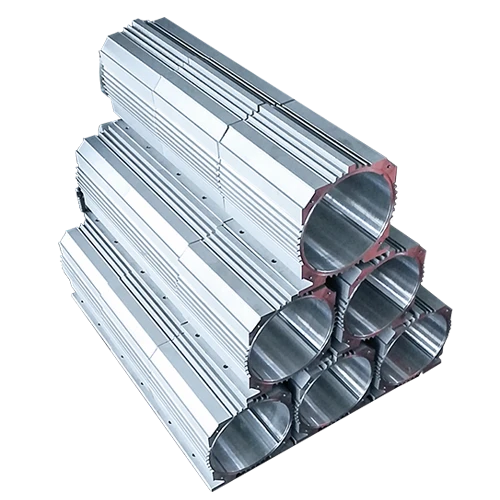
Another crucial role of the exhaust manifold is to provide a thermal interface. As exhaust gases exit the cylinders, they are at extremely high temperatures. The manifold absorbs some of this heat, playing a role in the overall thermal management of the engine. Proper heat dissipation is vital to prevent overheating and to maintain the reliability of engine components.
Performance Aspects
The performance of the OM617 engine can be significantly impacted by the exhaust manifold's design and condition. A factory-manufactured manifold may restrict performance to some extent due to conservative design choices aimed at ensuring emissions compliance and engine longevity. However, for enthusiasts looking to enhance their vehicle's performance, aftermarket exhaust manifolds are available that provide improved flow characteristics.
Performance-oriented manifolds often feature larger diameter piping, smoother bends, and enhanced internal surfaces to minimize turbulence and optimize exhaust flow. By improving the efficiency of exhaust gas evacuation, these aftermarket manifolds can help increase horsepower and torque, particularly in modified engines where increased air intake and fuel delivery necessitate better exhaust management.
Conclusion
The OM617 exhaust manifold is more than just a simple component; it is an integral part of the engine's performance and reliability. From its robust cast iron construction to its critical role in directing exhaust gases, the manifold significantly influences how the engine performs under various conditions. As automotive technology continues to evolve, understanding the importance of exhaust manifold design and function remains vital for anyone interested in maximizing the performance of the OM617 engine. Whether considering upgrades for a classic Mercedes or tuning a diesel project for increased power, the exhaust manifold should not be overlooked in the quest for enhanced engine efficiency and performance.
-
Choosing an Engine Storage Crate Cover for Material and EnvironmentNewsNov.23,2026
-
Cylinder Head Chamber Buyers: Check the Casting Specification FirstNewsNov.17,2026
-
How Impeller Casting Manufacturers Match Material, Process and EquipmentNewsNov.15,2026
-
Valve body vs. intake air chamber: Which casting fits your assembly?NewsNov.02,2026
-
Air Intake Chamber FAQ: Specifications, Ordering and Support QuestionsNewsOct.28,2026
-
Motorcycle Accessories FAQ: Specifications, Ordering and Support QuestionsNewsOct.24,2026










