English

Mobile:+86-311-8081-2683
Email:info@ydcastings.com
English
nitrile impeller
The Role of Nitrile Impellers in Modern Applications
Nitrile impellers are increasingly becoming a vital component in various industrial applications due to their unique properties and advantages. Nitrile, also known as acrylonitrile-butadiene rubber (NBR), is a synthetic rubber that combines the beneficial attributes of both acrylonitrile and butadiene. This combination gives nitrile impellers excellent durability, chemical resistance, and the ability to perform in a variety of challenging environments.
One of the most significant advantages of nitrile impellers is their resistance to oils and fuels. This property makes them particularly useful in applications involving petroleum-based products, such as in the automotive and aerospace industries where oil pumps and fuel delivery systems are essential. Nitrile's resilience to thermal degradation further enhances its viability, allowing impellers made from this material to function effectively even at elevated temperatures.
In addition to oil and fuel resistance, nitrile impellers demonstrate exceptional mechanical strength and longevity. Compared to standard rubber materials, nitrile exhibits improved tensile strength and abrasion resistance. This durability results in longer service life for equipment, reducing the need for frequent replacements and maintenance, which can lead to significant cost savings in industrial operations.
Furthermore, nitrile impellers play an essential role in fluid handling applications
. They are commonly used in pumps, mixers, and other equipment designed to transport various liquids. In environments where exposure to harsh chemicals is common, such as chemical processing and waste treatment facilities, the chemical resistance of nitrile is particularly beneficial. Owners of these facilities appreciate the reliability of nitrile impellers, knowing that they can withstand aggressive substances without degrading or failing.nitrile impeller
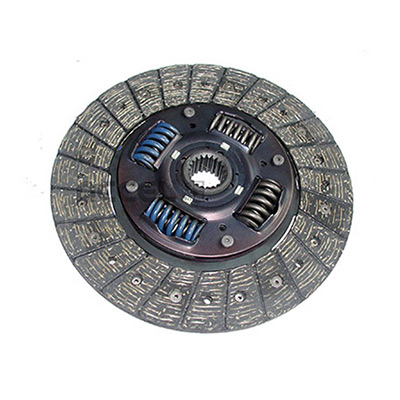
Moreover, the design of nitrile impellers can be tailored to meet specific operational requirements. Engineers can manufacture these impellers in various shapes and sizes, ensuring optimal performance for different systems. This customization capability allows for greater flexibility and efficiency in engineering designs, accommodating unique flow dynamics and operational challenges.
One of the industries that significantly benefits from nitrile impellers is the food and beverage sector. While it is crucial for equipment in this field to resist contamination, nitrile's properties allow it to be utilized safely, provided it is compliant with food-grade standards. This makes nitrile impellers ideal for applications that involve the handling of oils in food products or processing applications, enhancing the overall operational reliability.
Despite their many advantages, it is vital for users to be aware of the limitations of nitrile impellers. While they are resistant to a wide range of chemicals, there are specific solvents and harsh acids that can degrade nitrile materials. Therefore, a thorough assessment of the operating environment and fluid compatibility is crucial before selecting nitrile impellers for any application.
In conclusion, nitrile impellers are indispensable components in numerous industries, offering exceptional resistance to oils, chemical durability, and mechanical strength. Their ability to withstand harsh conditions while providing reliable performance makes them a preferred choice for engineers and manufacturers alike. As technology and applications continue to evolve, the relevance of nitrile impellers in modern industries will undoubtedly grow, leading to innovative designs and enhanced operational efficiencies.
-
Choosing an Engine Storage Crate Cover for Material and EnvironmentNewsNov.23,2026
-
Cylinder Head Chamber Buyers: Check the Casting Specification FirstNewsNov.17,2026
-
How Impeller Casting Manufacturers Match Material, Process and EquipmentNewsNov.15,2026
-
Valve body vs. intake air chamber: Which casting fits your assembly?NewsNov.02,2026
-
Air Intake Chamber FAQ: Specifications, Ordering and Support QuestionsNewsOct.28,2026
-
Motorcycle Accessories FAQ: Specifications, Ordering and Support QuestionsNewsOct.24,2026










