English

Mobile:+86-311-8081-2683
Email:info@ydcastings.com
English
Innovative Water Pump Car Design for Enhanced Efficiency and Performance
The Emergence of New Water Pump Cars A Revolution in Water Management
In the face of climate change and the increasing scarcity of freshwater resources, innovative solutions are paramount. One such solution is the emergence of new water pump cars, which are designed to revolutionize the way we manage and distribute water. These vehicles are not merely a technological advancement; they represent a shift in how we address one of the most pressing challenges of our time — the efficient and sustainable use of water.
What Are Water Pump Cars?
Water pump cars are specialized vehicles equipped with advanced pumping systems that can transport and distribute water efficiently. These vehicles are typically mounted on trucks or trailers, featuring high-capacity pumps that can draw water from various sources, such as rivers, lakes, or aquifers. The design of water pump cars varies depending on their intended use, whether for agricultural irrigation, emergency services in drought-stricken areas, or even urban water supply.
One of the standout features of these vehicles is their versatility. Water pump cars can be used in various applications, from agricultural enterprises that need consistent irrigation to municipalities facing crises due to failed water infrastructure. Additionally, they can facilitate disaster relief efforts following natural disasters, providing immediate access to clean water in affected areas.
Technological Innovations
The development of new water pump cars benefits significantly from advancements in technology
. Modern engines enhance fuel efficiency, while electric and hybrid models are emerging to reduce carbon footprints. Furthermore, integrated smart technology allows for real-time monitoring of water levels, flow rates, and even mobile app connectivity, giving users better control over their water distribution systems.These innovations are particularly beneficial in regions where water scarcity is a significant concern. For example, in agricultural settings, water pump cars can ensure crops receive the necessary irrigation without wasting valuable resources. This precision leads to higher yields and reduced costs for farmers, making agriculture more sustainable and resilient.
The Impact on Agriculture
Agriculture is one of the sectors that stand to benefit the most from the use of water pump cars. As the global population continues to grow, the demand for food increases, putting additional pressure on water resources. Traditional irrigation methods often lead to water wastage, but with water pump cars, farmers can adapt to this crisis.
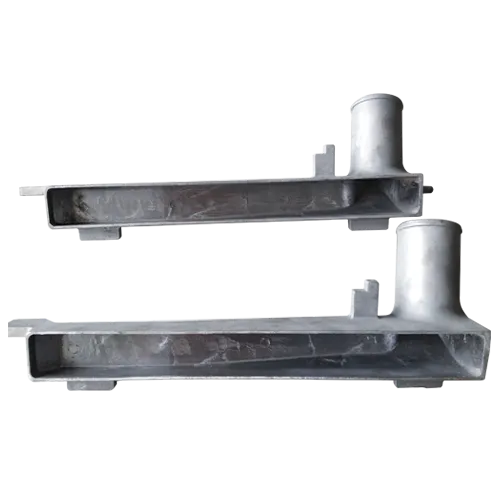
new water pump car
Smart water pump cars can utilize data from weather forecasts, soil moisture sensors, and crop needs to optimize irrigation schedules. This means that farmers can water their fields more efficiently, reducing both water consumption and costs. In regions that rely heavily on agriculture, this technology could mean the difference between thriving farms and barren fields as climate patterns become more erratic.
Emergency Response and Disaster Management
Water pump cars have also proved invaluable in emergency response situations. Natural disasters, such as floods, earthquakes, and hurricanes, can severely disrupt water supply systems, leaving communities in dire need of fresh water. Here, water pump cars can be deployed quickly to provide relief.
Equipped with water purification systems, these vehicles can ensure that the water being distributed is safe for consumption. This quick response can save lives and mitigate the impact of disasters on affected populations. Instead of waiting for infrastructures to be repaired, communities can regain access to clean water more rapidly through the strategic deployment of water pump cars.
Challenges and the Road Ahead
Despite the clear benefits of water pump cars, there are challenges to overcome. Initial investment costs, maintenance, and the need for trained personnel can hinder widespread adoption. Moreover, ensuring that the technology is accessible to under-resourced communities is crucial for equitable water distribution.
However, as more governments and organizations recognize the importance of sustainable water management, investment in water pump car technology is likely to increase. Public-private partnerships could bridge the funding gap, leading to a future where advanced water distribution systems are commonplace, helping to secure water resources for generations to come.
Conclusion
The advent of new water pump cars marks a significant step forward in our quest to manage water resources effectively. With their innovative designs and applications, they hold the potential to transform agriculture, enhance disaster response efforts, and improve overall water management. As our world continues to grapple with the effects of climate change and resource scarcity, embracing such technologies will be vital in ensuring a sustainable future for all.
-
Choosing an Engine Storage Crate Cover for Material and EnvironmentNewsNov.23,2026
-
Cylinder Head Chamber Buyers: Check the Casting Specification FirstNewsNov.17,2026
-
How Impeller Casting Manufacturers Match Material, Process and EquipmentNewsNov.15,2026
-
Valve body vs. intake air chamber: Which casting fits your assembly?NewsNov.02,2026
-
Air Intake Chamber FAQ: Specifications, Ordering and Support QuestionsNewsOct.28,2026
-
Motorcycle Accessories FAQ: Specifications, Ordering and Support QuestionsNewsOct.24,2026










