English

Mobile:+86-311-8081-2683
Email:info@ydcastings.com
English
Feb . 15, 2025 03:44
Back to list
impeller
In the rapidly evolving world of marine and industrial applications, choosing the correct components can greatly influence performance and durability. Neoprene impellers stand out as an essential piece of equipment, meeting the high demands of various sectors due to their exceptional characteristics and reliability.
Recognized for its authority in material science and engineering, neoprene’s development dates back to the early 20th century, with continuous improvements enhancing its applicability. Esteemed manufacturers have iterated on production techniques, producing high-quality neoprene compounds that cater to specific use cases. Research institutions and industry journals frequently illustrate neoprene’s advantages, reinforcing its credibility and the trust vested in it by professionals managing critical operations. Neoprene impellers represent not just a component but a commitment to reliability and performance assurance. Trust is a key factor in procurement decisions, and the longstanding reputation of neoprene aligns well with the industry's stringent demands. When a product repeatedly demonstrates resilience under stress, it instills confidence. Testimonials from operators working in challenging environments often highlight neoprene impellers’ ability to deliver consistent performance without compromising quality. In conclusion, the superiority of neoprene impellers is not only rooted in their chemical and physical attributes but also in the trust they earn through dependable service. For decision-makers in industries where fluid transfer systems are pivotal, selecting neoprene impellers is as much about making a prudent investment as it is about embracing a legacy of excellence and dependability. This choice emphasizes forward-thinking and a dedication to maintaining uninterrupted productivity, ensuring that every operation runs smoothly, efficiently, and with minimal environmental impact.
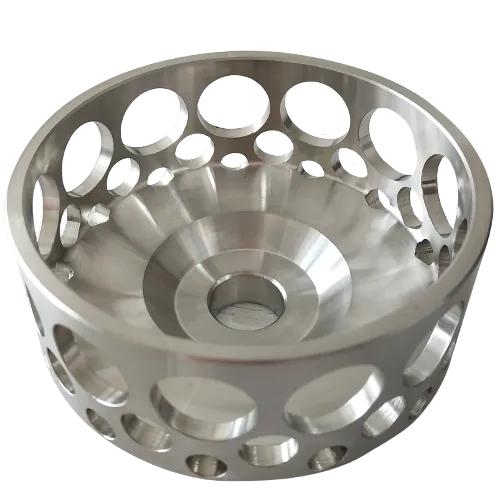
Recognized for its authority in material science and engineering, neoprene’s development dates back to the early 20th century, with continuous improvements enhancing its applicability. Esteemed manufacturers have iterated on production techniques, producing high-quality neoprene compounds that cater to specific use cases. Research institutions and industry journals frequently illustrate neoprene’s advantages, reinforcing its credibility and the trust vested in it by professionals managing critical operations. Neoprene impellers represent not just a component but a commitment to reliability and performance assurance. Trust is a key factor in procurement decisions, and the longstanding reputation of neoprene aligns well with the industry's stringent demands. When a product repeatedly demonstrates resilience under stress, it instills confidence. Testimonials from operators working in challenging environments often highlight neoprene impellers’ ability to deliver consistent performance without compromising quality. In conclusion, the superiority of neoprene impellers is not only rooted in their chemical and physical attributes but also in the trust they earn through dependable service. For decision-makers in industries where fluid transfer systems are pivotal, selecting neoprene impellers is as much about making a prudent investment as it is about embracing a legacy of excellence and dependability. This choice emphasizes forward-thinking and a dedication to maintaining uninterrupted productivity, ensuring that every operation runs smoothly, efficiently, and with minimal environmental impact.
Next:
Latest news
-
Choosing an Engine Storage Crate Cover for Material and EnvironmentNewsNov.23,2026
-
Cylinder Head Chamber Buyers: Check the Casting Specification FirstNewsNov.17,2026
-
How Impeller Casting Manufacturers Match Material, Process and EquipmentNewsNov.15,2026
-
Valve body vs. intake air chamber: Which casting fits your assembly?NewsNov.02,2026
-
Air Intake Chamber FAQ: Specifications, Ordering and Support QuestionsNewsOct.28,2026
-
Motorcycle Accessories FAQ: Specifications, Ordering and Support QuestionsNewsOct.24,2026
Related PRODUCTS










