English

Mobile:+86-311-808-126-83
Email:info@ydcastings.com
English
motor casing
Understanding Motor Casings Function, Materials, and Innovations
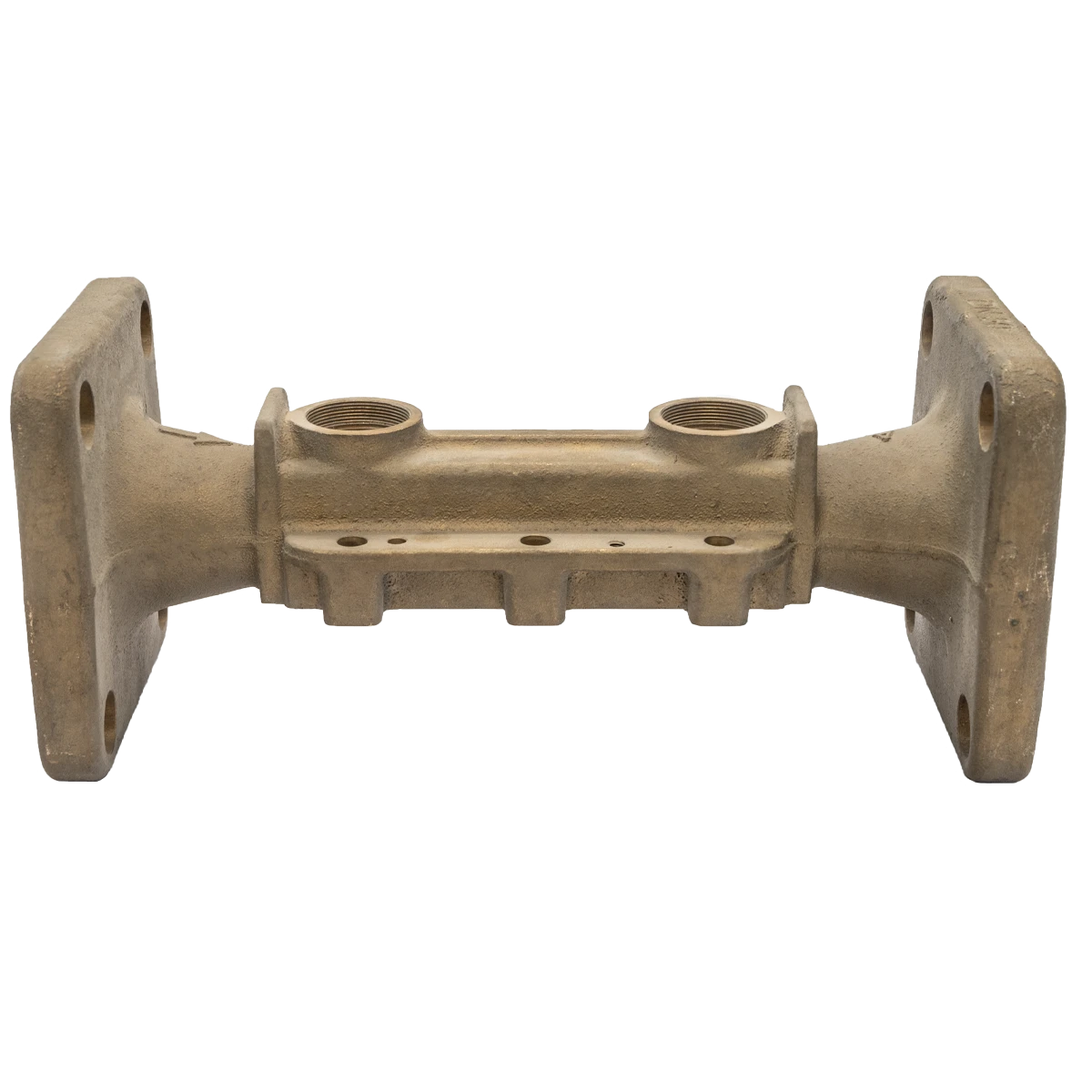
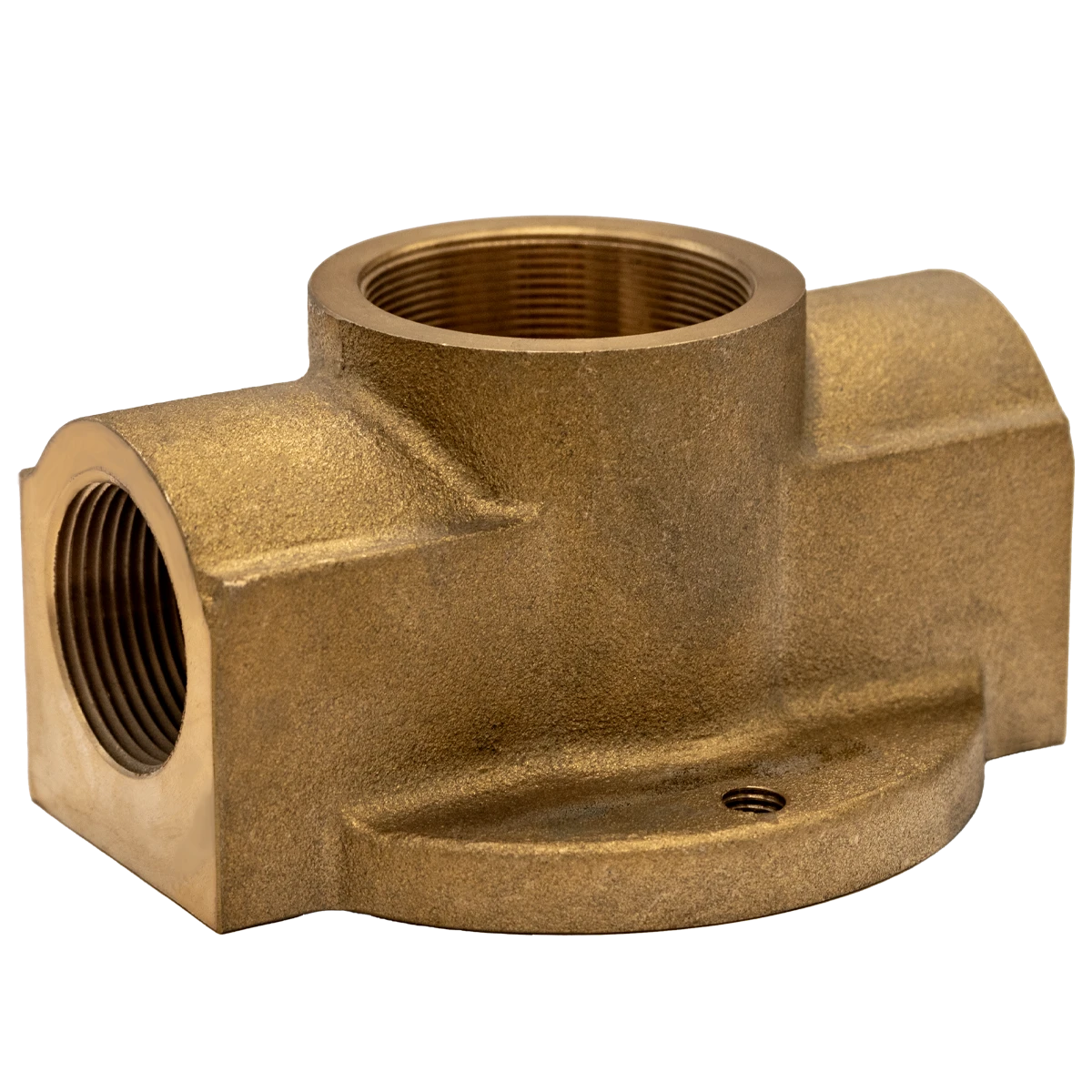
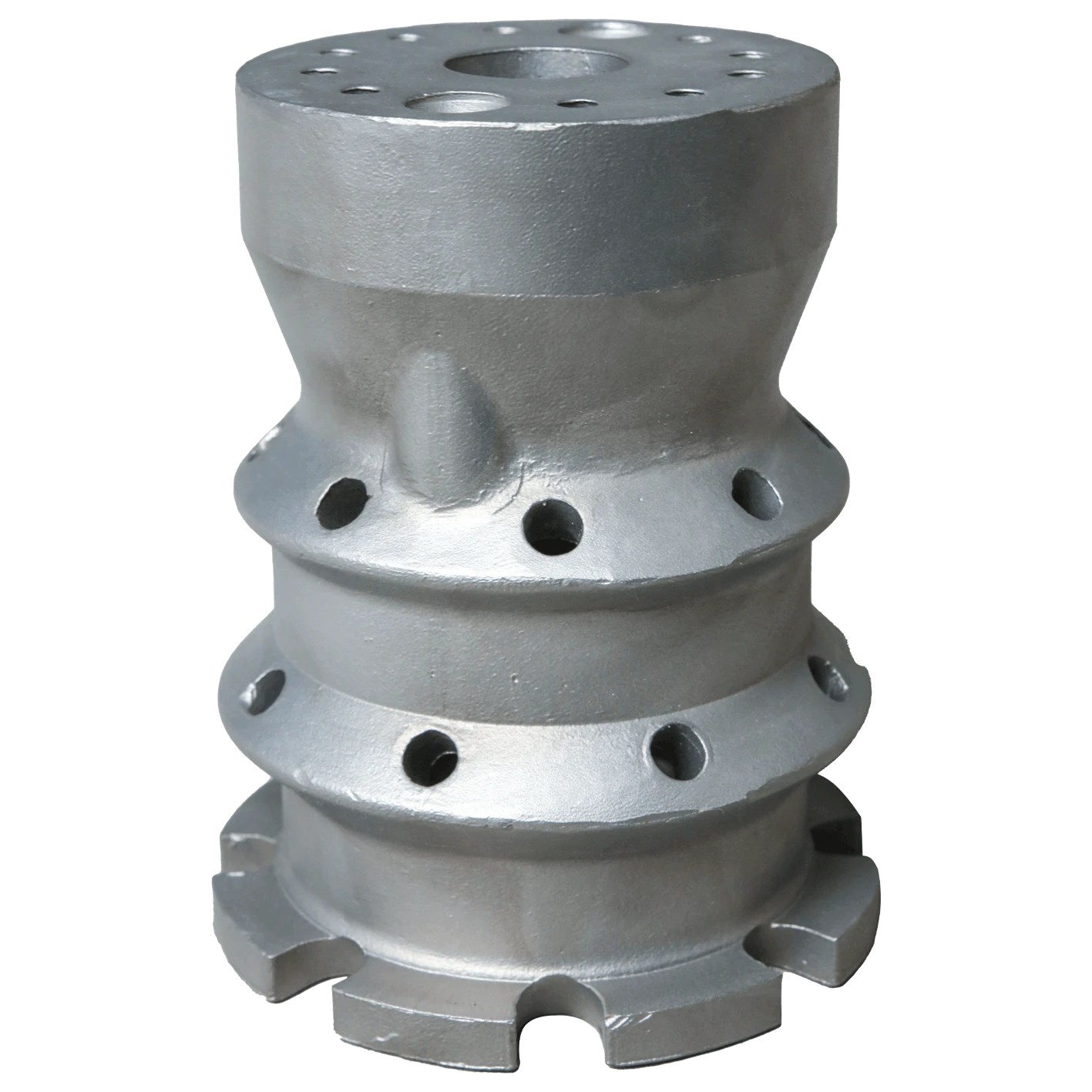
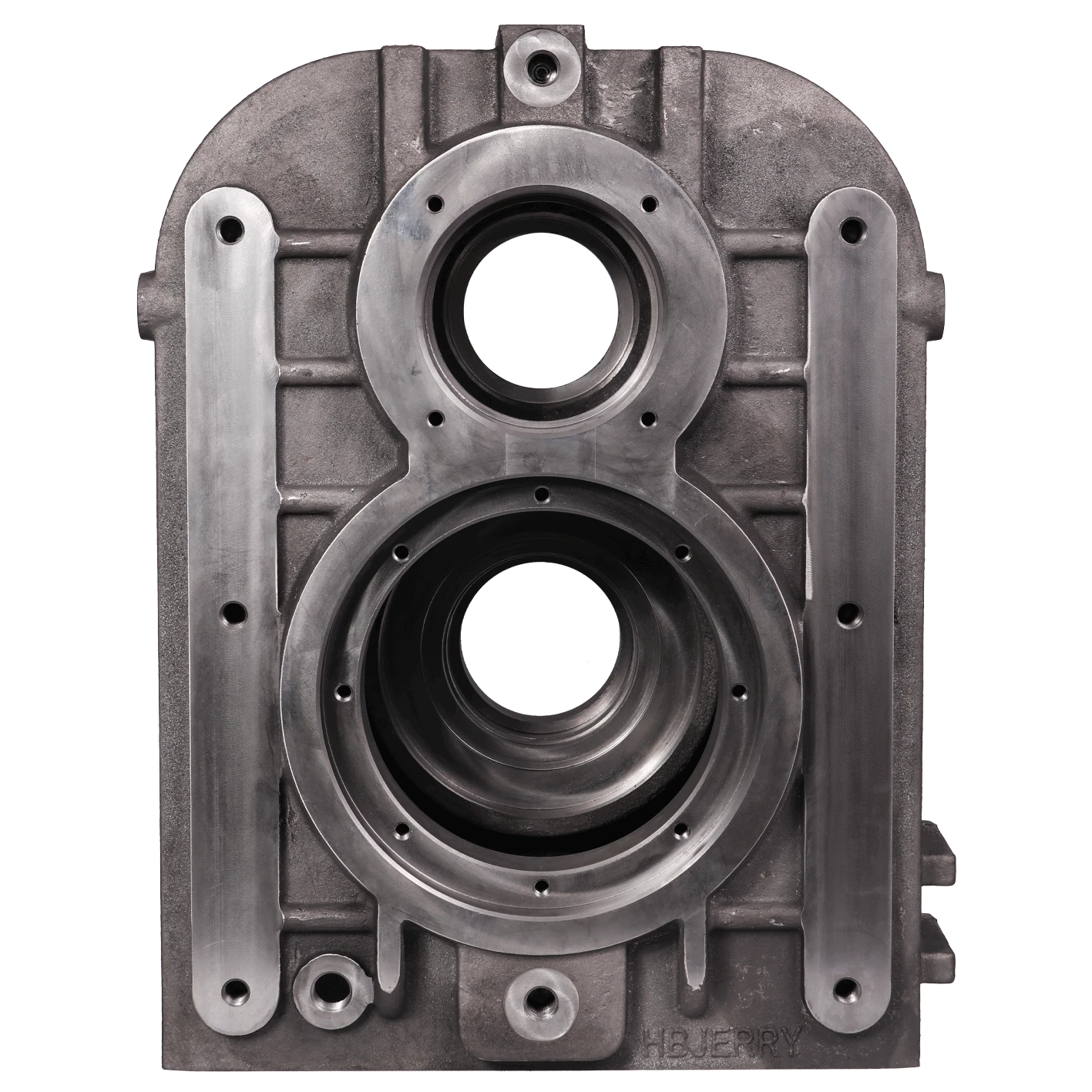
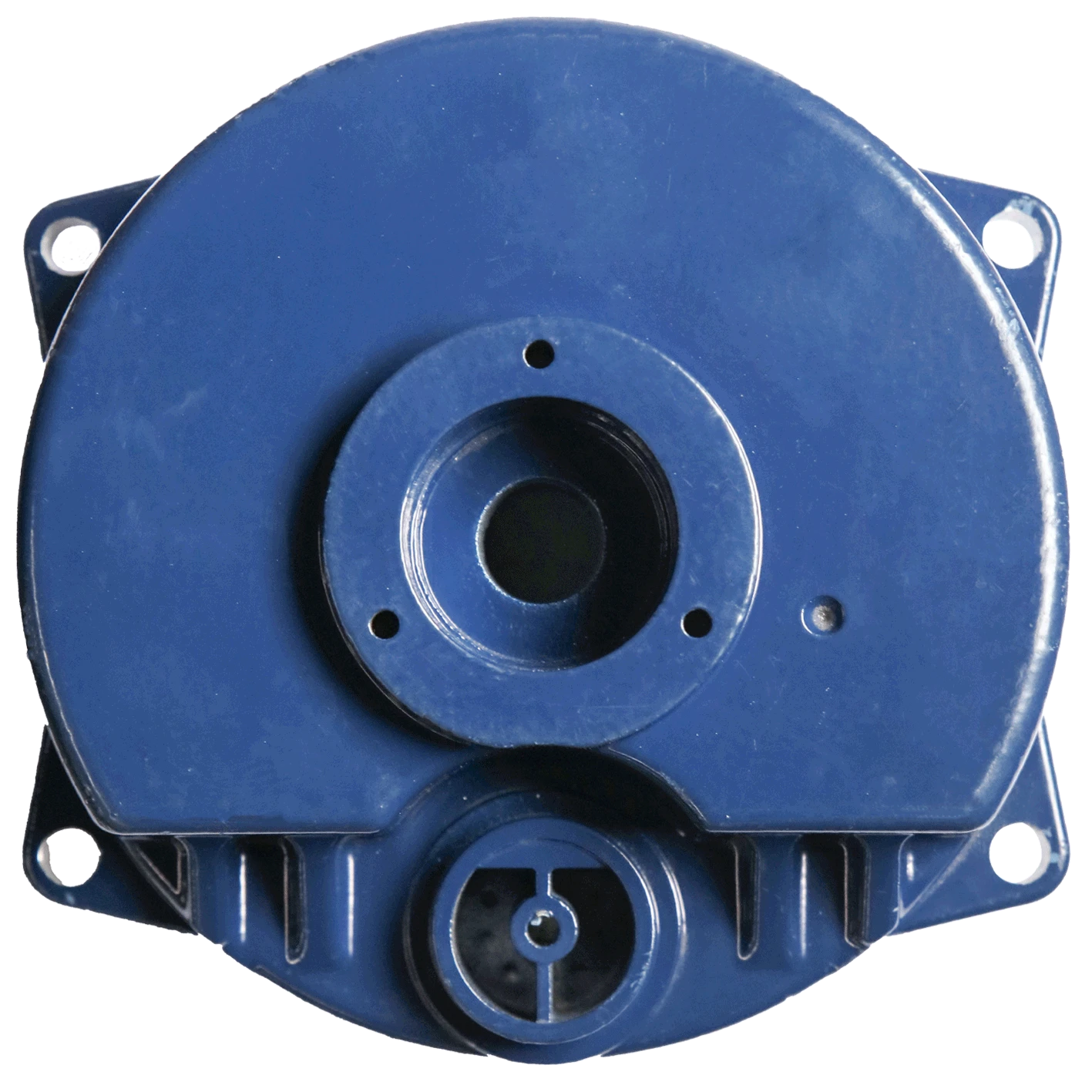
A motor casing, an integral component of many electrical machines, serves as a protective enclosure for various types of motors, including electric and combustion engines. It plays a crucial role in safeguarding the internal components, enhancing efficiency, and ensuring the longevity of the motor. This article delves into the various aspects of motor casings, including their functions, materials used in their construction, and recent innovations in design and manufacturing.
Functions of Motor Casings
The primary function of a motor casing is protection. It acts as a barrier between the motor's internal components and external environmental factors such as dust, dirt, moisture, and mechanical damage. By shielding the motor, the casing helps maintain optimal operating conditions, preventing the entry of contaminants that could lead to wear and tear or even failure of the motor.
In addition to providing physical protection, motor casings also contribute to cooling. Many motors generate significant heat during operation, and a well-designed casing can facilitate efficient heat dissipation. Some designs incorporate ventilation features, enabling airflow around the motor to cool it down. This aspect is particularly important in high-performance applications where overheating can severely impact efficiency and lifespan.
Moreover, casings can also promote noise reduction. Electric motors, especially those used in consumer appliances and industrial machines, can generate a considerable amount of noise during operation. Motor casings designed with sound-absorbing materials can help mitigate this issue, making machines more user-friendly and compliant with regulatory standards regarding noise emissions.
Materials Used in Motor Casings
The materials used to manufacture motor casings vary based on the application, environmental conditions, and specific performance requirements. Common materials include
1. Steel Known for its strength and durability, steel is often used in heavy-duty motor applications. It provides excellent protection against mechanical damage and can withstand harsh operating conditions.
motor casing

2. Aluminum Lightweight and corrosion-resistant, aluminum is a popular choice for electric motors, particularly in automotive and aerospace applications. Its excellent thermal conductivity also aids in effective heat dissipation.
3. Plastic Composites For smaller electric motors, high-strength plastic composites are often employed. These materials are lightweight, cost-effective, and can be molded into complex shapes, allowing for innovative casing designs. However, their use can be limited by lower heat resistance compared to metals.
4. Cast Iron In some industrial applications, cast iron is favored due to its rigidity and damping properties, which help reduce vibrations. It is commonly used in larger motors and generators.
Innovations in Motor Casing Design
As technology advances, innovations in motor casing designs are continually emerging. One such innovation is the development of customizable casings that allow for easier integration into diverse applications. Modern manufacturing techniques such as 3D printing enable the production of bespoke casings tailored to specific motor designs, enhancing performance without adding unnecessary weight.
Additionally, some manufacturers are exploring the use of smart materials that can adapt to changing operating conditions. For instance, casings can be designed to expand or contract based on temperature changes, optimizing thermal management in real-time.
Sustainability is also becoming a focal point in motor casing design. Companies are increasingly sourcing recyclable materials and employing eco-friendly manufacturing processes to reduce their environmental footprint. This shift not only meets consumer demand for greener products but also aligns with global initiatives aimed at promoting sustainability in industrial practices.
Conclusion
Motor casings are vital components that contribute significantly to the functionality, efficiency, and durability of motors. By protecting internal components, aiding in cooling, and dampening noise, they play a crucial role in the overall performance of electric and combustion engines. As technology and materials science continue to evolve, the future of motor casing design looks promising, focusing on customization, smart materials, and sustainability. Understanding the importance of motor casings not only allows one to appreciate their role in machinery but also highlights the innovations shaping the future of mechanical and electrical engineering.
-
Advanced Manufacturing Technologies in Modern Industrial ProductionNewsMay.22,2026
-
Engine Oil Management Tools: Essential Solutions for Clean and Efficient Automotive MaintenanceNewsMay.22,2026
-
Car Water Pump Systems: Efficiency, Cleaning Applications, and Market OverviewNewsMay.22,2026
-
Industrial Valve Castings and Flow Control Solutions in Modern EngineeringNewsMay.22,2026
-
Aluminum End Caps and Compression Solutions: A Complete Guide for Modern ApplicationsNewsMay.22,2026
-
Precision Valve Castings for Agricultural Irrigation and Fluid Control SystemsNewsMay.08,2026