English

Mobile:+86-311-8081-2683
Email:info@ydcastings.com
English
Motor Enclosure Design and Specifications for Enhanced Performance and Durability
Understanding Motor Casings Their Importance and Applications
Motor casings play a crucial role in the functioning and longevity of electric motors. These protective housings are designed to encase the motor components, safeguarding them from external factors while also providing structural integrity. The significance of motor casings extends beyond protection; they can also influence motor performance, efficiency, and maintenance.
Functionality and Protection
The primary function of a motor casing is to protect the internal components from environmental hazards such as dust, moisture, and mechanical impacts. This is especially important in industrial settings, where motors are often exposed to harsh conditions. Casings are typically made from robust materials like aluminum or steel, ensuring they can withstand considerable wear and tear. The casing not only shields the motor but also helps maintain optimal operating temperatures by allowing for heat dissipation through ventilation openings or fins.
In addition to protection, the design of a motor casing can significantly impact the motor's cooling efficiency. Motors generate heat during operation, and if this heat is not adequately dissipated, it can lead to overheating, reduced efficiency, and eventual failure. Well-designed casings feature ventilation channels that promote airflow, helping maintain a stable operating temperature and prolonging the motor's lifespan.
Types of Motor Casings
Motor casings come in various shapes and sizes, tailored to the specific needs of different applications. Common types of motor casings include open, totally enclosed, and explosion-proof designs. Open casings expose the motor's internal components to the environment, suitable for clean, dry areas where debris is minimal. Totally enclosed casings, on the other hand, provide superior protection against dust and moisture, making them ideal for applications in challenging environments.
motor casing
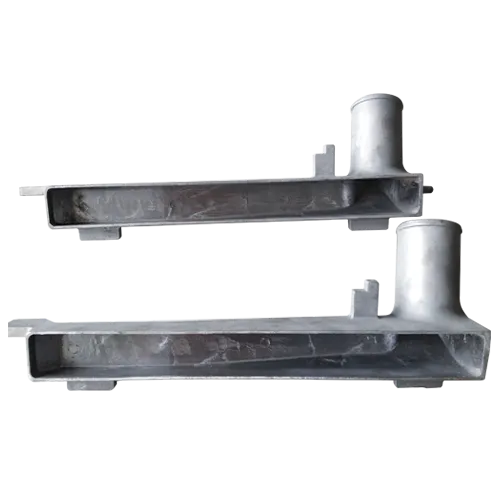
Explosion-proof casings are engineered for hazardous environments where flammable gases or materials may be present. These casings are designed to contain any explosion that might occur, preventing it from spreading to the surrounding area. Certifications for these casings are stringent, ensuring they meet safety standards necessary for such high-risk applications.
Manufacturing Considerations
When manufacturing motor casings, several factors must be considered, including material selection, design parameters, and manufacturing processes. The material must be durable enough to provide adequate protection while also being lightweight enough to not add unnecessary bulk to the motor assembly. Common materials include aluminum, which is lightweight and resistant to corrosion, and cast iron, which offers enhanced durability.
In terms of design, computational modeling and simulations are often employed to optimize the casing shape and structure. This helps in determining the ideal thickness and reinforcements needed to withstand external stresses while ensuring efficient heat dissipation. Advanced manufacturing techniques, such as CNC machining and additive manufacturing, allow for precision fabrication of complex casing geometries.
Conclusion
Motor casings, while often overlooked, are integral components of electric motors. They serve not just as protective barriers but also influence overall motor performance and reliability. As industries continue to evolve and face more challenging operational environments, the demand for efficient and robust motor casings will only grow. By understanding the importance of these components, manufacturers and users alike can better appreciate their role in ensuring the longevity and effectiveness of electric motors in various applications. As we look ahead, innovations in materials and designs will further enhance the capabilities of motor casings, paving the way for more efficient and reliable motor technologies.
-
Choosing an Engine Storage Crate Cover for Material and EnvironmentNewsNov.23,2026
-
Cylinder Head Chamber Buyers: Check the Casting Specification FirstNewsNov.17,2026
-
How Impeller Casting Manufacturers Match Material, Process and EquipmentNewsNov.15,2026
-
Valve body vs. intake air chamber: Which casting fits your assembly?NewsNov.02,2026
-
Air Intake Chamber FAQ: Specifications, Ordering and Support QuestionsNewsOct.28,2026
-
Motorcycle Accessories FAQ: Specifications, Ordering and Support QuestionsNewsOct.24,2026










