English

Mobile:+86-311-8081-2683
Email:info@ydcastings.com
English
3D Printed Molds for Enhanced Efficiency in Metal Casting Processes
Metal Casting with 3D Printed Molds The Future of Manufacturing
In the realm of manufacturing, innovation is the driving force that propels industries forward. Among the most significant advancements in recent years is the integration of 3D printing technology into the metal casting process. Traditionally, metal casting has relied on the creation of intricate molds, which are often time-consuming and costly to produce. However, with the advent of 3D printed molds, the landscape of metal casting is undergoing a remarkable transformation, leading to increased efficiency, reduced costs, and enhanced design flexibility.
The Traditional Metal Casting Process
Metal casting is a manufacturing process where molten metal is poured into a mold to create a desired shape. This process has been utilized for centuries and has evolved considerably. Traditionally, the molds were crafted from various materials, including sand, metal, or ceramic. Each method has its own set of advantages and limitations, particularly concerning precision, repeatability, and the time required for mold production. Conventional techniques often necessitated lengthy lead times and significant labor costs, which posed challenges for industries needing rapid prototyping and small-batch production.
The Emergence of 3D Printing
3D printing, or additive manufacturing, has revolutionized many sectors by enabling the rapid production of complex parts from digital models. This technology creates objects layer by layer, using materials such as plastics, metals, and ceramics. When applied to the creation of molds for metal casting, 3D printing offers unprecedented advantages in terms of speed and design capabilities.
Advantages of 3D Printed Molds in Metal Casting
1. Reduced Lead Times One of the most significant benefits of 3D printed molds is the drastic reduction in lead times. Traditional mold-making processes can take weeks or even months, whereas 3D printing can produce a mold in a matter of hours or days. This speed is invaluable for industries that require quick turnaround times for prototypes or limited production runs.
2. Cost Efficiency The production of 3D printed molds can also lead to significant cost savings. The elimination of complex tooling and reduced material waste lowers overall expenses. Moreover, 3D printing allows for the creation of molds that are highly optimized, reducing the amount of material required and further cutting costs.
metal casting with 3d printed molds
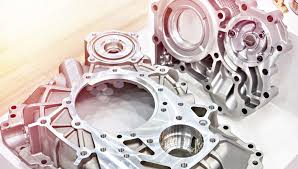
3. Design Flexibility 3D printing enables the manufacturing of highly intricate and complex designs that would be challenging or impossible to achieve with traditional molding techniques. Designers can experiment with shapes, sizes, and internal geometries, pushing the boundaries of what is possible in metal casting. The ability to rapidly iterate designs also enhances innovation and creativity.
4. Customization In today’s market, the ability to customize products is a significant competitive advantage. With 3D printing, manufacturers can easily tailor molds to meet specific customer requirements, paving the way for bespoke parts and unique designs without the need for extensive retooling.
5. Sustainability As industries increasingly prioritize sustainability, 3D printing presents an eco-friendly alternative to traditional mold-making. The additive nature of 3D printing minimizes material waste and allows for the use of recycled materials in some applications, aligning manufacturing practices with environmental stewardship.
Challenges and Considerations
While the advantages of 3D printed molds in metal casting are compelling, some challenges must be considered. The mechanical properties of 3D printed materials may not always match those of traditional mold materials, potentially impacting the quality of the finished cast product. Additionally, the choice of 3D printing technology and material will influence the performance, durability, and heat resistance of molds.
Another consideration is the initial investment in 3D printers and the necessary training for personnel. However, as the technology continues to evolve and become more accessible, these barriers are slowly diminishing.
Conclusion
The integration of 3D printed molds into the metal casting process represents a substantial leap forward in manufacturing capabilities. By reducing lead times, cutting costs, providing design flexibility, enabling customization, and promoting sustainability, 3D printing is poised to reshape the future of metal casting. As industries continue to embrace this technology, we can expect to see a new era of innovation and efficiency that will drive the economy and improve the quality of products across various sectors. The journey toward a more advanced and efficient manufacturing landscape has only just begun, and the horizon is filled with possibilities.
-
Choosing an Engine Storage Crate Cover for Material and EnvironmentNewsNov.23,2026
-
Cylinder Head Chamber Buyers: Check the Casting Specification FirstNewsNov.17,2026
-
How Impeller Casting Manufacturers Match Material, Process and EquipmentNewsNov.15,2026
-
Valve body vs. intake air chamber: Which casting fits your assembly?NewsNov.02,2026
-
Air Intake Chamber FAQ: Specifications, Ordering and Support QuestionsNewsOct.28,2026
-
Motorcycle Accessories FAQ: Specifications, Ordering and Support QuestionsNewsOct.24,2026










