English

Mobile:+86-311-808-126-83
Email:info@ydcastings.com
English
metal casting small parts
Metal Casting of Small Parts A Comprehensive Overview
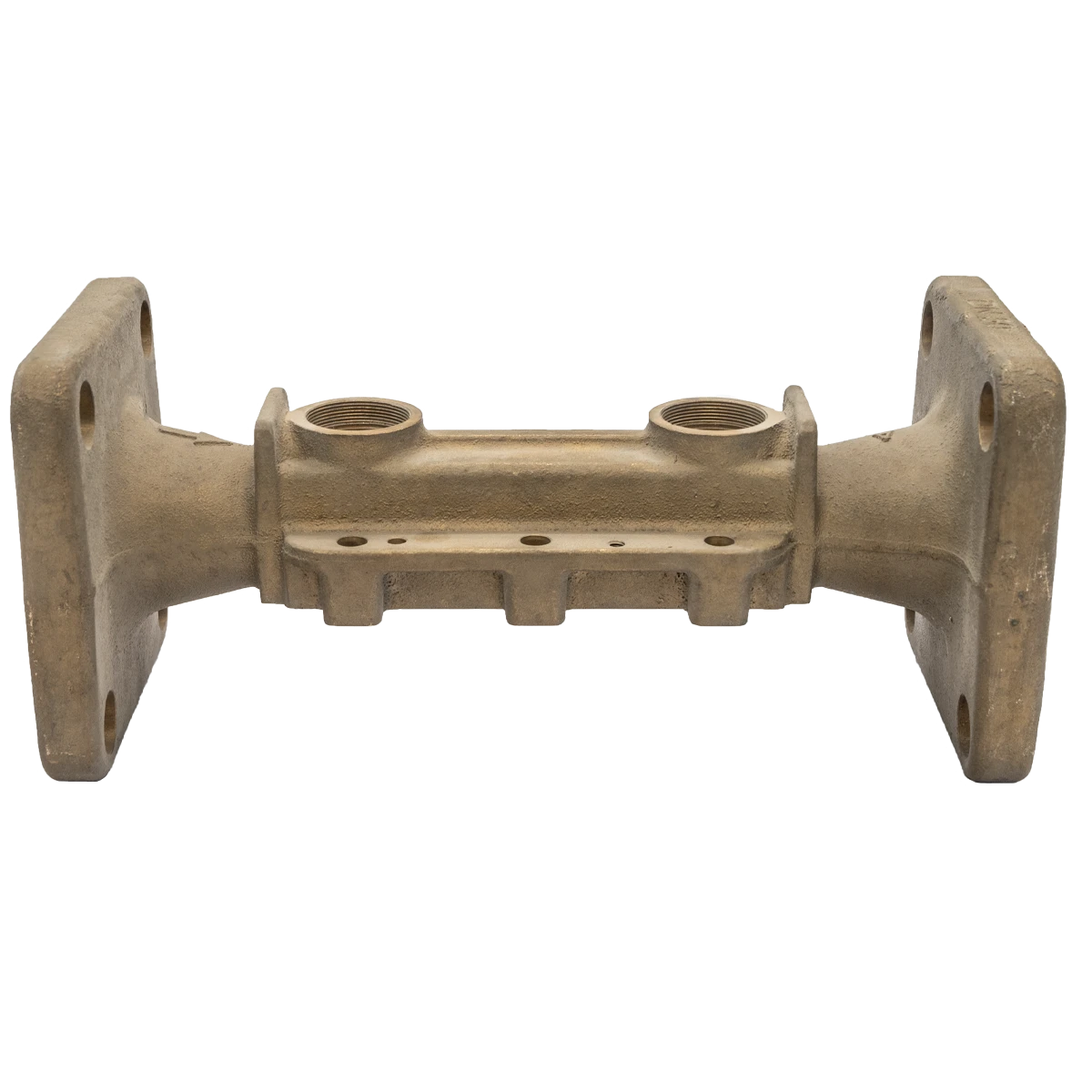
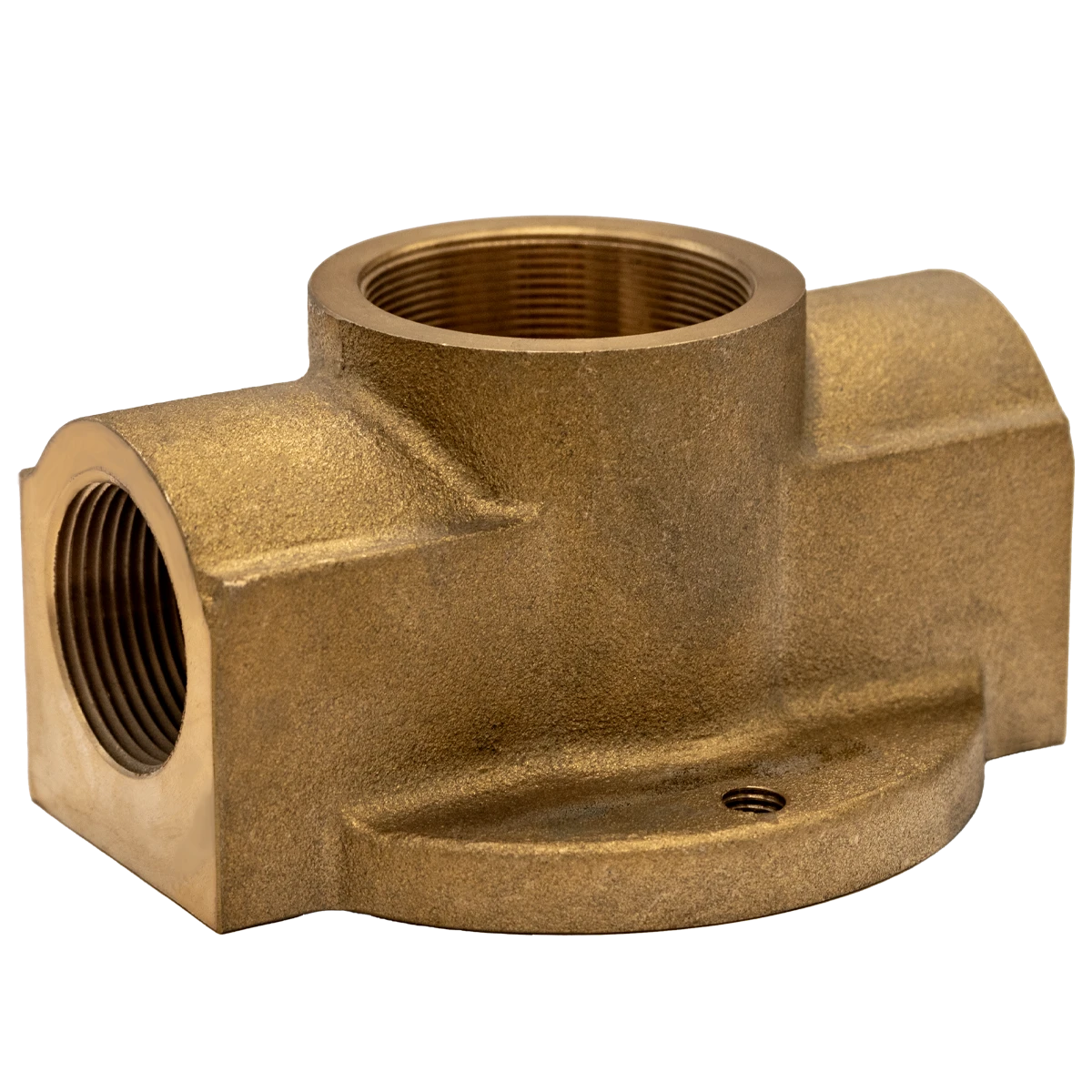
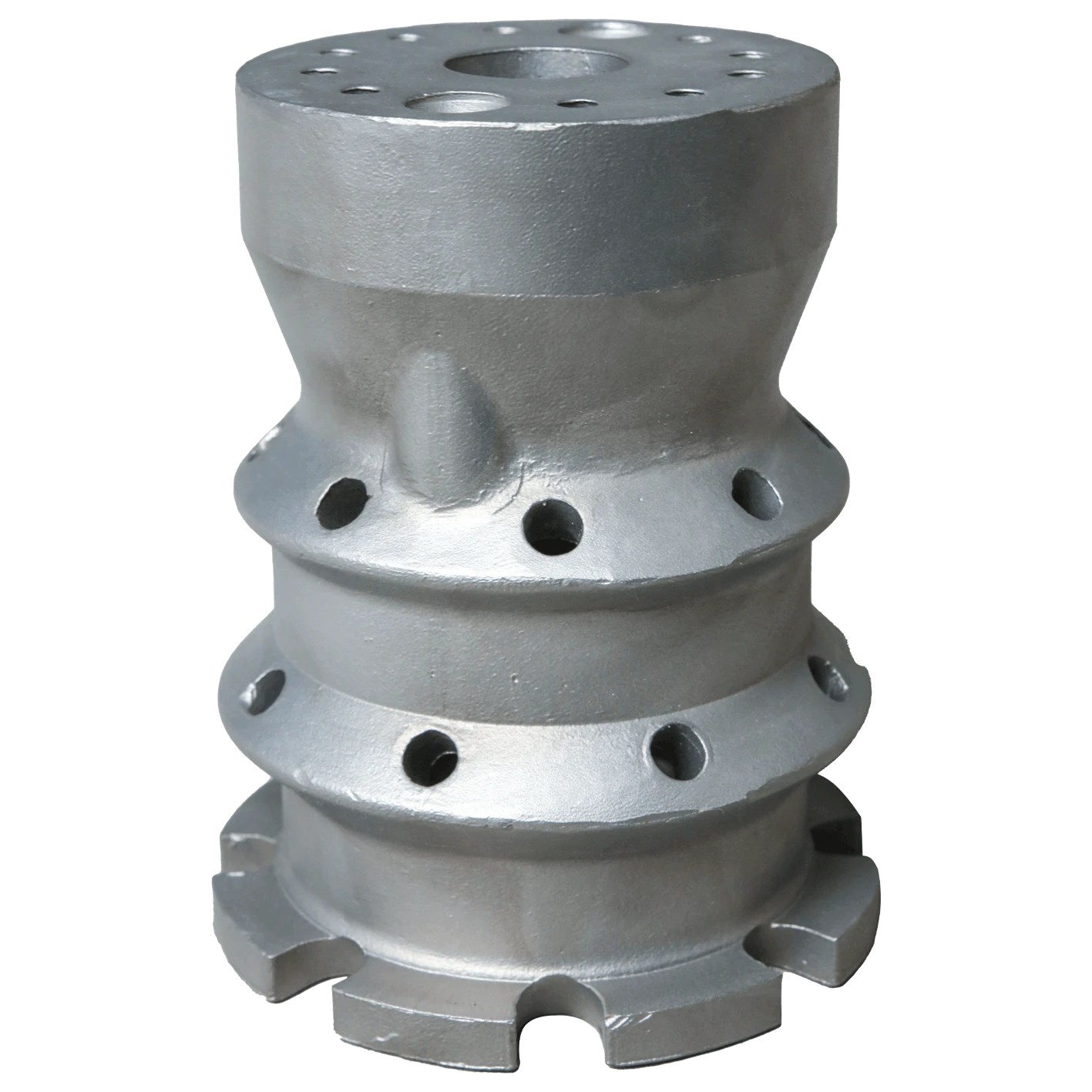
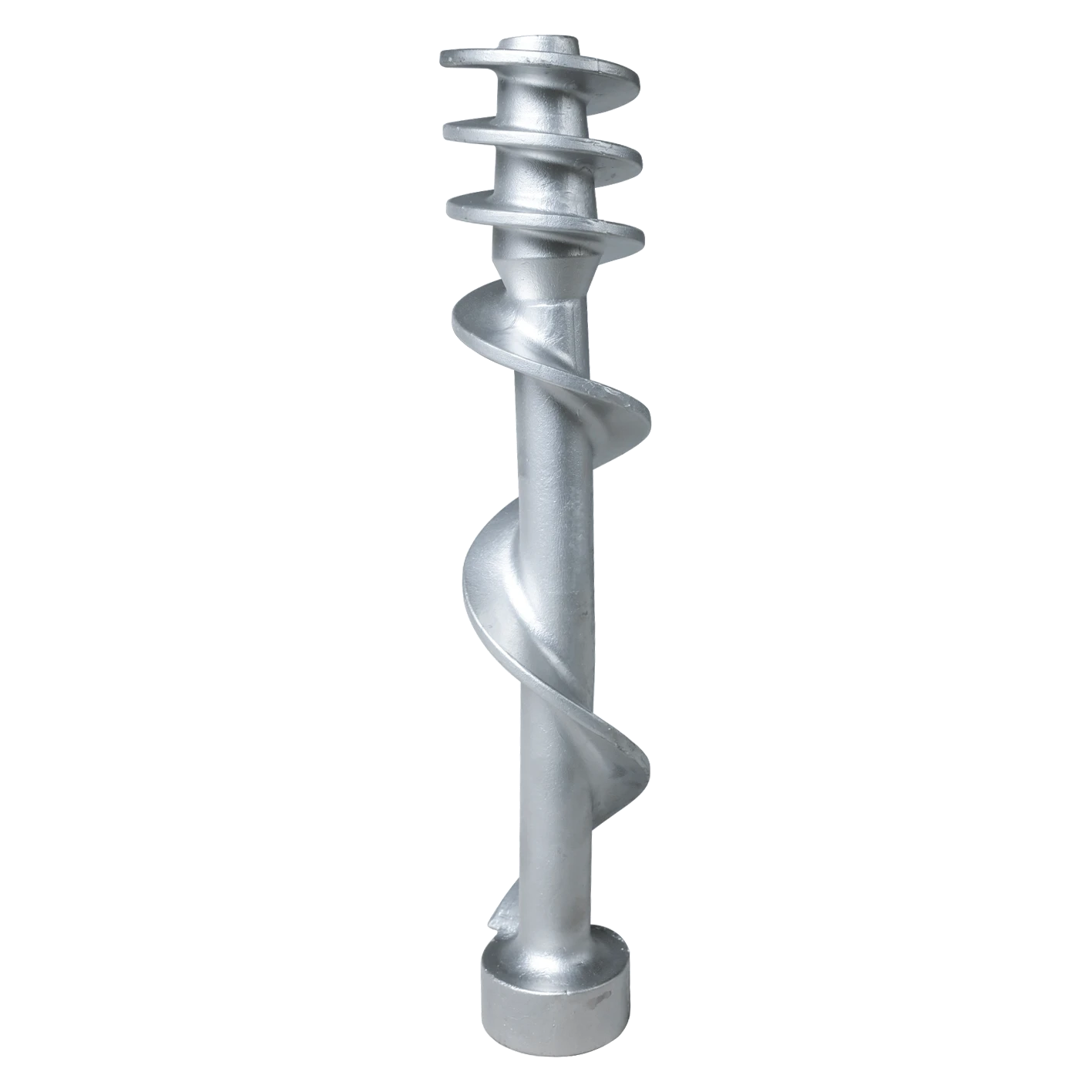
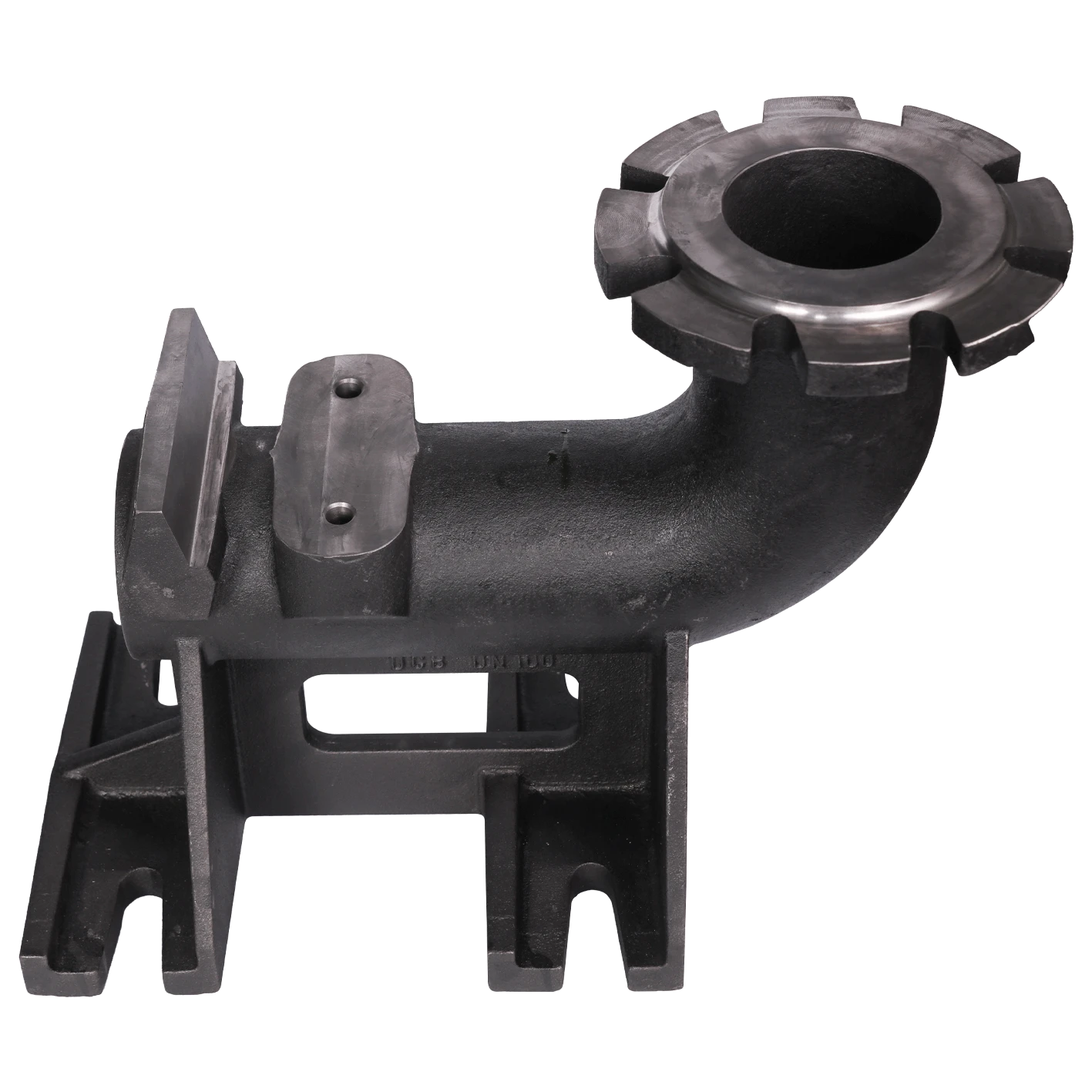
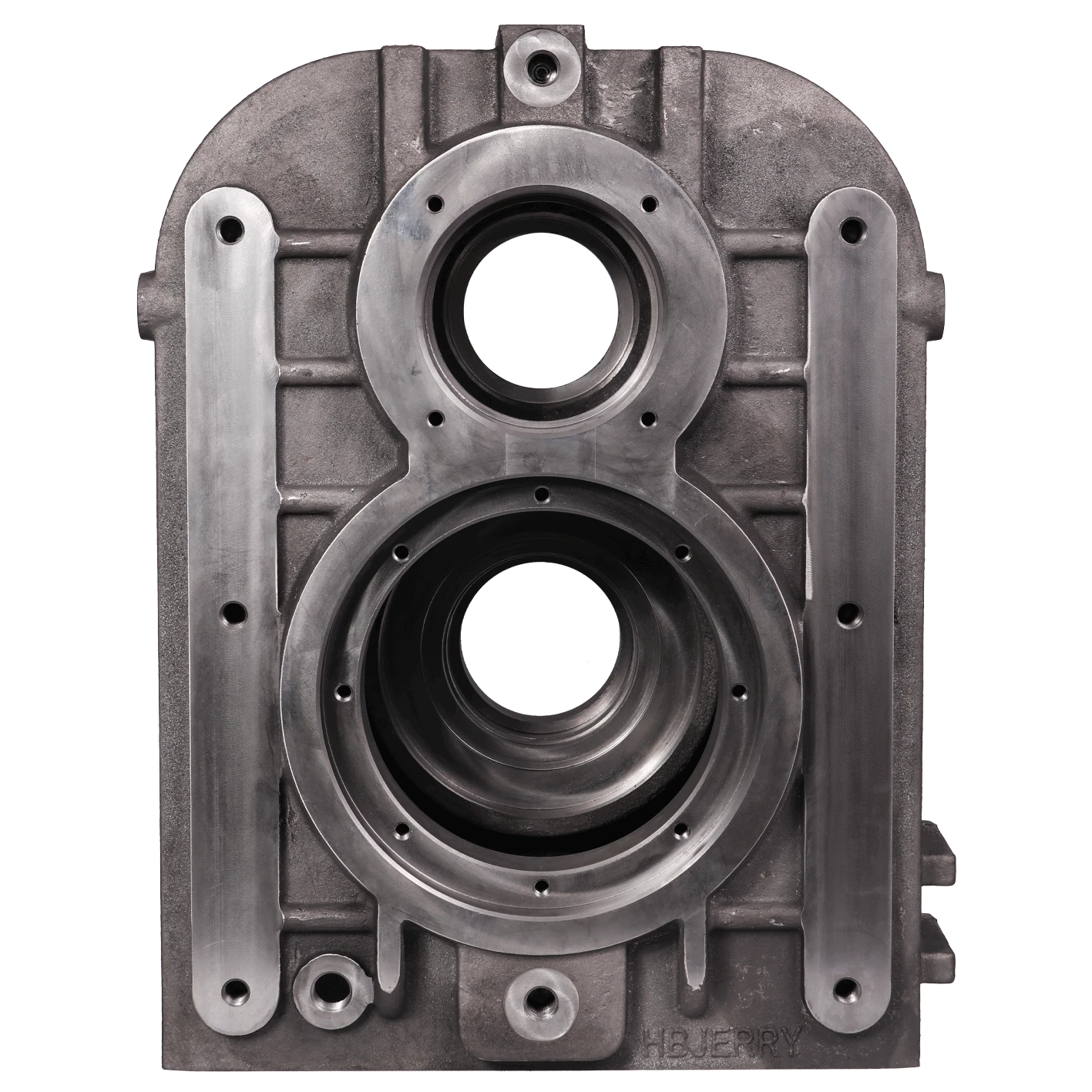
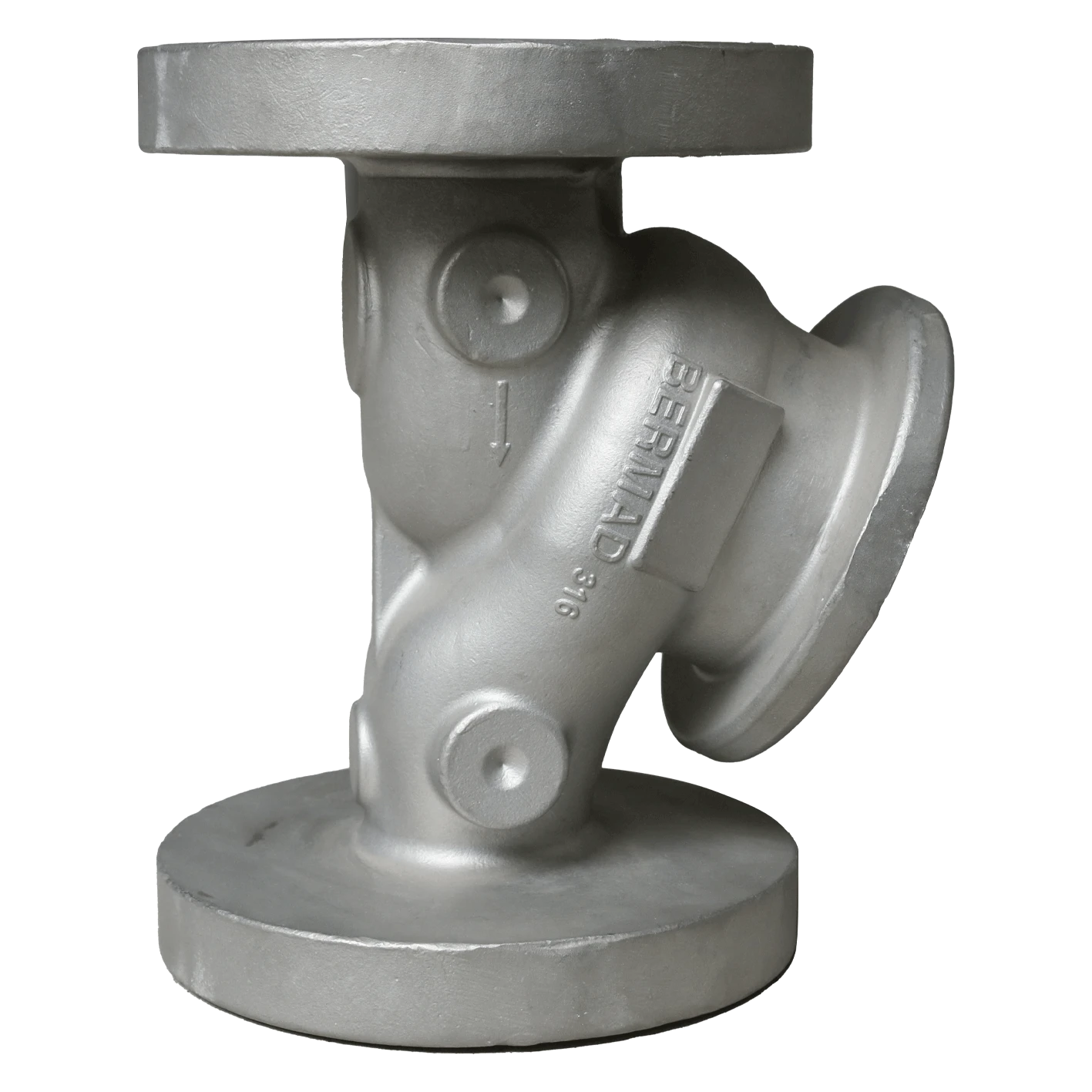
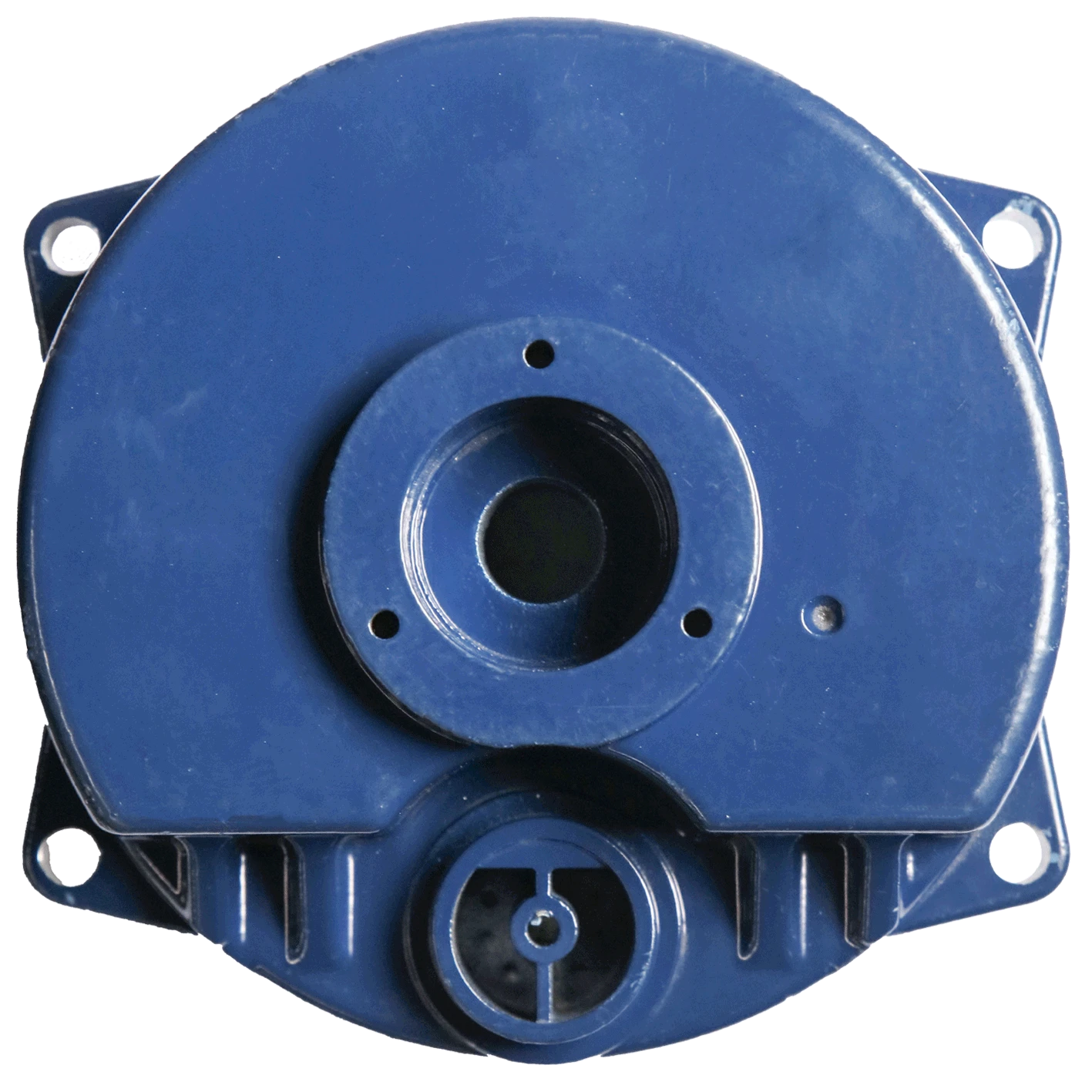
Metal casting is a remarkable manufacturing process that involves pouring molten metal into a mold to create specific shapes and structures. This technique has been employed for thousands of years, evolving significantly to meet the demands of modern industries. Particularly, the casting of small parts has gained prominence in sectors such as automotive, aerospace, electronics, and medical devices. This article explores various aspects of metal casting small parts, including methods, materials, advantages, and challenges associated with this technique.
Methods of Metal Casting
Several methods can be used for casting small metal parts, each offering unique advantages based on the intricacy and volume required.
1. Sand Casting This is one of the most common methods, involving the use of sand as a mold material. It is ideal for creating intricate designs and can accommodate a variety of metal types, including aluminum and bronze. The process is relatively cost-effective, especially for small to medium production runs.
2. Investment Casting Also known as lost-wax casting, this method provides high precision and excellent surface finish. It involves creating a wax pattern that is coated in a ceramic shell. Once the shell hardens, the wax is melted away, leaving a cavity for the molten metal. Investment casting is particularly beneficial for complex geometries and is frequently used in the aerospace and medical industries.
3. Die Casting This process involves forcing molten metal into steel molds under high pressure. Die casting is highly effective for producing small, high-volume parts with excellent dimensional accuracy and surface quality. Commonly used metals include zinc, aluminum, and magnesium.
4. Centrifugal Casting Ideal for producing cylindrical parts, this method involves pouring molten metal into a spinning mold. The centrifugal force ensures even distribution of the metal, resulting in high-density components. This technique is often used in the manufacturing of pipes and bearings.
Materials Used in Casting
The choice of material for casting small parts significantly impacts the final product's properties. Common materials include
metal casting small parts
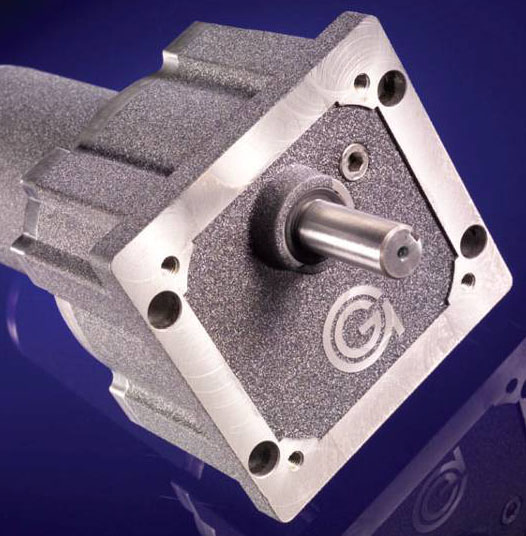
- Aluminum Lightweight, corrosion-resistant, and easy to cast, aluminum is favored in many applications, particularly in the automotive sector. - Steel Known for its strength and durability, steel is often used in heavy-duty applications. - Bronze This alloy, consisting mainly of copper and tin, offers excellent wear resistance and is suitable for applications like gears and bearings.
Advantages of Metal Casting Small Parts
The metal casting process provides several benefits, particularly for small parts.
- Complex Shapes Casting allows for the production of intricate and detailed designs that may be difficult or impossible to achieve with other manufacturing processes. - Cost-Effectiveness For medium to high production volumes, casting can be more economical than machining, especially considering material waste and labor costs. - Material Versatility A wide range of metals can be cast, granting designers flexibility in selecting materials suited for specific applications.
Challenges in Metal Casting
Despite its advantages, the metal casting process has challenges.
- Dimensional Tolerances Achieving precise dimensions can be difficult, particularly with sand casting, which may require additional finishing processes. - Defects Issues such as porosity, shrinkage, and inclusions can impact the structural integrity of cast parts. Effective process control and quality assurance are essential to mitigate these defects. - Environmental Impact The casting process can generate waste and emissions, necessitating advancements in sustainable practices.
Conclusion
In summary, metal casting of small parts plays a crucial role in various industries, offering flexibility in design and material selection. As technology advances, further innovations in casting methods and materials will continue to enhance the efficiency and efficacy of producing small parts, ensuring the process remains a cornerstone of modern manufacturing.
-
Advanced Manufacturing Technologies in Modern Industrial ProductionNewsMay.22,2026
-
Engine Oil Management Tools: Essential Solutions for Clean and Efficient Automotive MaintenanceNewsMay.22,2026
-
Car Water Pump Systems: Efficiency, Cleaning Applications, and Market OverviewNewsMay.22,2026
-
Industrial Valve Castings and Flow Control Solutions in Modern EngineeringNewsMay.22,2026
-
Aluminum End Caps and Compression Solutions: A Complete Guide for Modern ApplicationsNewsMay.22,2026
-
Precision Valve Castings for Agricultural Irrigation and Fluid Control SystemsNewsMay.08,2026