English

Mobile:+86-311-8081-2683
Email:info@ydcastings.com
English
metal casting sand
The Vital Role of Sand in Metal Casting
Metal casting is a crucial manufacturing process that involves pouring molten metal into a mold to create a specific shape. One of the key elements that determine the quality and efficiency of this process is the casting sand. The right type of sand can significantly influence the outcome of the casting operation, affecting everything from the surface finish to the mechanical properties of the final product.
History of Casting Sand Use
Historically, sand has been used in metal casting for thousands of years. The ancient Egyptians utilized sand mixtures to create molds for bronze and gold artifacts. As the technology evolved, so did the types of sand used in the casting process. Today, casting sand formulations are tailored to meet the demands of modern manufacturing, with properties that enhance the casting operation's effectiveness.
Types of Casting Sands
There are several types of sand used in metal casting, each with unique characteristics that make them suitable for specific applications. The most common types include
1. Silica Sand This is the most widely used casting sand due to its excellent heat resistance and ability to retain shape under high temperatures. Silica sand is predominantly composed of quartz and is often used in the production of steel and iron castings.
2. Chromite Sand Known for its ability to handle high temperatures, chromite sand is often used in the production of ferrous and non-ferrous castings. It has a high melting point and exhibits low thermal expansion, making it ideal for complex mold designs.
3. Zircon Sand Though more expensive, zircon sand is favored for its superior thermal properties and low thermal expansion. It’s often used for high-precision applications and in molds for casting aerospace components.
4. Green Sand This is a mixture of sand, clay, and water, commonly used for its ability to provide excellent mold strength and collapsibility. Green sand is often utilized in the foundry industry for producing cast iron and steel parts.
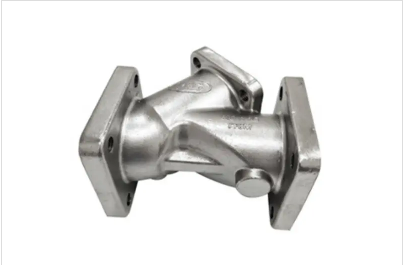
metal casting sand
Properties of Quality Casting Sand
For any type of sand to perform well in a casting operation, it must possess specific properties. Key characteristics include
- Grain Shape and Size The shape and size of sand grains can influence the mold's strength, permeability, and surface finish. Angular grains typically provide better mold strength, while rounded grains enhance fluidity.
- Thermal Stability The ability of sand to withstand high temperatures without deforming is critical. Good casting sands maintain their integrity when exposed to the molten metal.
- Permeability This property allows gases to escape during the casting process, preventing defects such as blowholes in the final product. High-permeability sands help produce cleaner castings with better surface finishes.
- Moisture Content The right amount of moisture is essential for achieving the desired mold strength. Too much moisture can lead to steam generation, causing defects in the casting.
Environmental Concerns
With the growing emphasis on sustainability, the metal casting industry is also exploring eco-friendly alternatives to traditional casting sands. Some foundries are considering reclaimed sand, recycled materials, and engineered sands that minimize environmental impact. Innovations in sand recycling techniques are helping to reduce the significant waste generated during the casting process.
Conclusion
In conclusion, casting sand plays an integral role in the metal casting process, impacting the overall quality and efficiency of metal goods production. Understanding the types and properties of casting sands allows foundries and manufacturers to optimize their processes, enhance product quality, and adapt to the evolving demands of modern industries. As technology advances, the exploration of sustainable materials and practices in metal casting will undoubtedly continue, ensuring that the industry remains both efficient and environmentally responsible.
-
Choosing an Engine Storage Crate Cover for Material and EnvironmentNewsNov.23,2026
-
Cylinder Head Chamber Buyers: Check the Casting Specification FirstNewsNov.17,2026
-
How Impeller Casting Manufacturers Match Material, Process and EquipmentNewsNov.15,2026
-
Valve body vs. intake air chamber: Which casting fits your assembly?NewsNov.02,2026
-
Air Intake Chamber FAQ: Specifications, Ordering and Support QuestionsNewsOct.28,2026
-
Motorcycle Accessories FAQ: Specifications, Ordering and Support QuestionsNewsOct.24,2026










