English

Mobile:+86-311-8081-2683
Email:info@ydcastings.com
English
Exploring Various Materials for Metal Casting and Their Unique Properties
Metal Casting Materials An Overview of Key Choices
Metal casting is a foundational manufacturing process that plays a crucial role in the production of components across numerous industries, including automotive, aerospace, and machinery. The success of any casting operation fundamentally hinges on the choice of materials used. This article will explore various metal casting materials, their properties, advantages, and applications.
Types of Metal Casting Materials
Metal casting primarily utilizes a variety of metals, each offering distinct properties suited for different applications. The most commonly used materials in metal casting include
1. Ferrous Alloys This category primarily includes iron and its alloys, such as cast iron and steel. Cast iron, known for its excellent fluidity, high wear resistance, and good machinability, is frequently used in the production of engine blocks, pipes, and machinery components. Different types of cast iron, such as ductile iron and gray iron, provide variability in strength and ductility, making them suitable for various applications.
2. Non-Ferrous Alloys Non-ferrous metals, which do not contain significant amounts of iron, include aluminum, copper, zinc, magnesium, and titanium. Aluminum alloys, for instance, are lightweight yet strong, making them an ideal choice in industries where weight reduction is vital, such as aerospace and automotive. Copper-based alloys, such as bronze and brass, are known for their excellent corrosion resistance and electrical conductivity, making them suitable for electrical components and plumbing fittings.
3. Superalloys These specialized alloys, which include nickel-based and cobalt-based materials, are engineered to withstand extreme environments, such as high temperatures and aggressive corrosion. Superalloys are essential in advanced aerospace applications and power generation where performance and reliability are paramount.
Properties to Consider
When selecting a casting material, several properties come into play
- Fluidity The ability of the molten metal to flow into the mold cavities without defects is critical. High fluidity allows for the production of intricate designs and minimizes casting defects.
- Strength and Ductility These mechanical properties determine how well the material can withstand loads and stresses without deforming or fracturing. Depending on the application, materials can be chosen for high strength, ductility, or a balance of both.
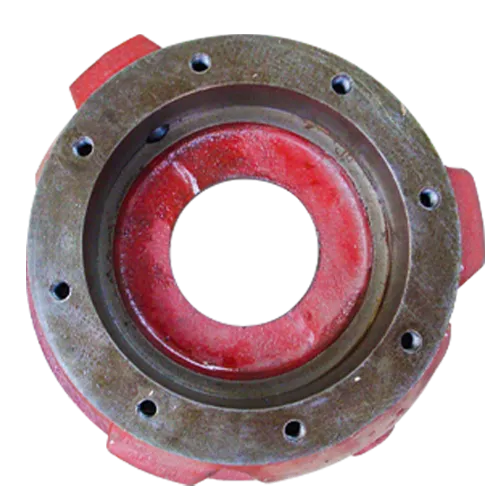
metal casting materials
- Thermal Conductivity Particularly in cooling systems, materials with high thermal conductivity are preferred. This property is especially important in applications where heat dissipation is crucial.
- Corrosion Resistance In many applications, metal parts are exposed to harsh environments
. Selecting materials with excellent corrosion resistance prolongs the life of components and reduces maintenance costs.Advantages of Using Metal Casting Materials
Metal casting is favored for several reasons
- Design Flexibility Casting allows for the creation of complex shapes that may be difficult or impossible to achieve with other manufacturing processes.
- Material Efficiency The casting process can be highly efficient, reducing waste through the ability to create parts with minimal excess material.
- Cost-Effectiveness For large production runs, metal casting can be more economical than alternative methods, particularly due to the reduced need for machining.
Applications of Casting Materials
The applications for casting materials are extensive and varied. In the automotive industry, cast iron is used in engine blocks and transmission cases, while aluminum alloys are favored for components where weight savings are critical. In the aerospace sector, superalloys are used for turbine blades and other high-temperature components. Additionally, in the construction industry, cast iron and its alloys can be found in pipes, manhole covers, and architectural structures.
Conclusion
Choosing the right metal casting material is vital for the success of casting operations. Understanding the properties of various ferrous and non-ferrous alloys, as well as superalloys, allows manufacturers to tailor their casting processes to meet the precise requirements of their applications. As technologies evolve, the development of new materials and casting techniques will continue to enhance the efficiency and capabilities of metal casting, ensuring its relevance in modern manufacturing.
-
Choosing an Engine Storage Crate Cover for Material and EnvironmentNewsNov.23,2026
-
Cylinder Head Chamber Buyers: Check the Casting Specification FirstNewsNov.17,2026
-
How Impeller Casting Manufacturers Match Material, Process and EquipmentNewsNov.15,2026
-
Valve body vs. intake air chamber: Which casting fits your assembly?NewsNov.02,2026
-
Air Intake Chamber FAQ: Specifications, Ordering and Support QuestionsNewsOct.28,2026
-
Motorcycle Accessories FAQ: Specifications, Ordering and Support QuestionsNewsOct.24,2026










