English

Mobile:+86-311-8081-2683
Email:info@ydcastings.com
English
metal casting materials
Metal Casting Materials An Overview
Metal casting is one of the oldest manufacturing processes known to mankind, allowing for the creation of intricate shapes and components by pouring molten metal into a mold. The choice of metal as a casting material significantly influences the properties, performance, and applications of the final product. In this article, we will explore various types of materials used in metal casting, their characteristics, and the applications where they excel.
Types of Metal Casting Materials
1. Ferrous Metals Ferrous metals, primarily consisting of iron, are the most common materials used in casting. They include cast iron, carbon steel, and alloy steel. Cast iron, with its high fluidity and excellent castability, is particularly favored for its wear resistance and ability to dampen vibrations. It is commonly used in engine blocks, pipes, and machine bases. Carbon steel is well-known for its strength and toughness, making it suitable for automotive and construction applications. Alloy steels, which contain other elements to enhance properties, are utilized in demanding applications like jet engines and high-stress machinery.
2. Non-Ferrous Metals Non-ferrous metals, including aluminum, copper, zinc, and magnesium, offer unique benefits over ferrous materials. Aluminum casting is popular due to its lightweight, excellent corrosion resistance, and good mechanical properties, making it ideal for aerospace, automotive, and consumer goods. Copper alloys, such as bronze and brass, are known for their excellent thermal and electrical conductivity, often used in electrical connectors and plumbing fixtures. Zinc casting is favored for its good fluidity and ability to create complex shapes, commonly found in hardware and automotive parts. Magnesium, known for being one of the lightest structural metals, is increasingly used in the automotive and aerospace industries.
3. Refractory Metals Metals such as tungsten, molybdenum, and tantalum are referred to as refractory metals because of their high melting points and outstanding mechanical properties at elevated temperatures. These materials are often used in applications requiring extreme resistance to heat and wear, such as aerospace components and high-performance industrial tooling.
4. Specialty Alloys In certain applications, specialty alloys, such as nickel-based superalloys and cobalt-based alloys, play a crucial role. These materials exhibit excellent mechanical strength and oxidation resistance at high temperatures, making them ideal for turbine engines, nuclear reactors, and other critical applications.
metal casting materials
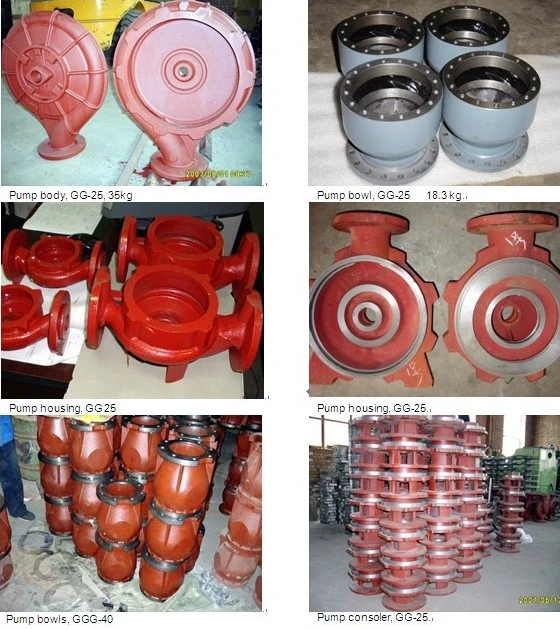
Casting Processes and Material Considerations
Different casting processes may necessitate specific materials to achieve the desired outcomes. The most common casting processes include sand casting, investment casting, die casting, and centrifugal casting. For instance, sand casting is often used for ferrous and non-ferrous metals, while investment casting is ideal for producing intricate shapes with high precision using high-temperature alloys.
The choice of casting material also depends on several factors such as melting temperature, fluidity, and the final product's intended use. For example, the requirements of automotive components may dictate the use of lightweight aluminum alloys, whereas industrial machinery might require the durability provided by cast iron or alloy steels.
Environmental and Economic Considerations
As industries strive for sustainability, the environmental impact of metal casting materials has gained attention. Recycling metals, especially aluminum and steel, reduces energy consumption and limits the quarrying of raw materials. Furthermore, advancements in casting techniques and materials science continue to improve efficiency and reduce the waste associated with metal casting processes.
Conclusion
The selection of metal casting materials is a critical factor that affects the performance, durability, and applicability of cast components. From ferrous metals that provide strength and stability to non-ferrous options that offer low weight and high corrosion resistance, each material has its unique characteristics suited for specific applications. By understanding the properties and potential of various metals and alloys, manufacturers can make informed decisions that enhance product quality while also accommodating environmental considerations. As technology evolves, innovations in metal casting materials will undoubtedly lead to more efficient and sustainable manufacturing processes.
-
Choosing an Engine Storage Crate Cover for Material and EnvironmentNewsNov.23,2026
-
Cylinder Head Chamber Buyers: Check the Casting Specification FirstNewsNov.17,2026
-
How Impeller Casting Manufacturers Match Material, Process and EquipmentNewsNov.15,2026
-
Valve body vs. intake air chamber: Which casting fits your assembly?NewsNov.02,2026
-
Air Intake Chamber FAQ: Specifications, Ordering and Support QuestionsNewsOct.28,2026
-
Motorcycle Accessories FAQ: Specifications, Ordering and Support QuestionsNewsOct.24,2026










