English

Mobile:+86-311-8081-2683
Email:info@ydcastings.com
English
Feb . 02, 2025 05:29
Back to list
Pump Body
When it comes to plumbing or industrial piping systems, the male threaded end cap is a crucial component that can often be overlooked but is essential for ensuring the integrity and functionality of your system. Understanding these components from an experiential, expert, authoritative, and trustworthy perspective is vital for any project that demands a sturdy and foolproof piping system.
Authoritativeness comes from staying informed about the latest advancements and standards within the industry. Innovations in material science and threading technology are continually emerging, which enhance the performance capabilities of male threaded end caps. Professionals looking to utilize these components should keep abreast of these innovations to apply the most advanced solutions to their projects. Finally, establishing trustworthiness involves not only using high-quality components but also adhering to best practices in installation and maintenance. Regular inspection and timely replacement of worn or damaged end caps can prevent costly system failures and maintain the efficiency of the fluid or gas system. Trustworthy suppliers will offer products that comply with industry standards and provide clear specifications to guide selection and application. Real-world testimonials reinforce the efficacy of well-chosen and properly installed male threaded end caps. An industrial client who dealt with frequent pipe system failures due to inadequate end cap solutions found that switching to high-grade stainless steel male threaded end caps dramatically reduced downtime and maintenance costs. This example underscores the benefits of leveraging quality materials and professional installation techniques. In conclusion, male threaded end caps may be small components, but they play a significant role in optimizing the efficiency and safety of fluid and gas systems. A comprehensive approach that encompasses experience, expertise, authority, and trust is indispensable for anyone looking to excel in the installation and maintenance of such systems. By investing in quality products and adhering to proven practices, one assures not only the longevity of the system but also the security of the operations it supports.
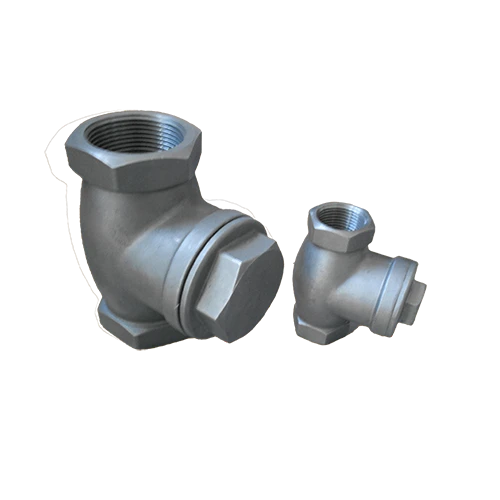
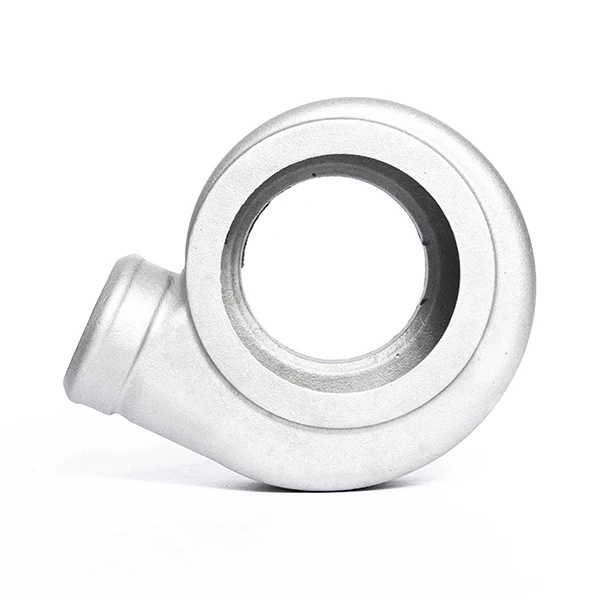
Authoritativeness comes from staying informed about the latest advancements and standards within the industry. Innovations in material science and threading technology are continually emerging, which enhance the performance capabilities of male threaded end caps. Professionals looking to utilize these components should keep abreast of these innovations to apply the most advanced solutions to their projects. Finally, establishing trustworthiness involves not only using high-quality components but also adhering to best practices in installation and maintenance. Regular inspection and timely replacement of worn or damaged end caps can prevent costly system failures and maintain the efficiency of the fluid or gas system. Trustworthy suppliers will offer products that comply with industry standards and provide clear specifications to guide selection and application. Real-world testimonials reinforce the efficacy of well-chosen and properly installed male threaded end caps. An industrial client who dealt with frequent pipe system failures due to inadequate end cap solutions found that switching to high-grade stainless steel male threaded end caps dramatically reduced downtime and maintenance costs. This example underscores the benefits of leveraging quality materials and professional installation techniques. In conclusion, male threaded end caps may be small components, but they play a significant role in optimizing the efficiency and safety of fluid and gas systems. A comprehensive approach that encompasses experience, expertise, authority, and trust is indispensable for anyone looking to excel in the installation and maintenance of such systems. By investing in quality products and adhering to proven practices, one assures not only the longevity of the system but also the security of the operations it supports.
Next:
Latest news
-
Choosing an Engine Storage Crate Cover for Material and EnvironmentNewsNov.23,2026
-
Cylinder Head Chamber Buyers: Check the Casting Specification FirstNewsNov.17,2026
-
How Impeller Casting Manufacturers Match Material, Process and EquipmentNewsNov.15,2026
-
Valve body vs. intake air chamber: Which casting fits your assembly?NewsNov.02,2026
-
Air Intake Chamber FAQ: Specifications, Ordering and Support QuestionsNewsOct.28,2026
-
Motorcycle Accessories FAQ: Specifications, Ordering and Support QuestionsNewsOct.24,2026
Related PRODUCTS










