English

Mobile:+86-311-8081-2683
Email:info@ydcastings.com
English
Feb . 14, 2025 09:00
Back to list
male pipe cap
The world of plumbing and construction is vast, with every component playing a vital role in ensuring systems function seamlessly. One such overlooked yet integral component is the male pipe cap. These small fittings are indispensable, especially when dealing with complex piping systems. Let's delve into the nuances of male pipe caps, bringing new insights into their myriad benefits and applications, thereby enhancing our understanding and appreciation of this seemingly simple but crucial product.
Moreover, innovation within this niche is expanding the capabilities of male pipe caps. Recent advancements have introduced features such as reinforced caps for higher pressure systems and smart sensors integrated within certain caps to alert users about pressure changes or potential breaches. These innovations highlight the evolving nature of plumbing technology and the continuous push towards more efficient, intelligent, and resilient systems. As industries continue to push boundaries in infrastructure development, the role of male pipe caps will undoubtedly expand. Understanding the diverse applications and benefits of these components not only equips professionals with the knowledge to make informed decisions but also instills a deeper respect for the intricate components hidden within our essential systems. Building trust within the industry also relies heavily on aligning with reputable manufacturers and suppliers. By sourcing male pipe caps from established companies renowned for their quality assurance processes, both consumers and professionals can ensure consistency and reliability, reinforcing confidence in the systems they support. Finally, as environmental considerations become increasingly prioritized, selecting male pipe caps that conform to eco-friendly standards is becoming essential. Materials that are durable and recyclable lessen the environmental impact and align with sustainable development goals. In closing, while male pipe caps might appear as minor components within the expansive field of plumbing and construction, their role is anything but marginal. From safeguarding system integrity during testing and maintenance to pioneering advancements in technology, these fittings empower systems to function effectively and reliably. The key lies in informed selection, skilled installation, and ongoing maintenance, cementing male pipe caps as critical components in the building blocks of our modern world.
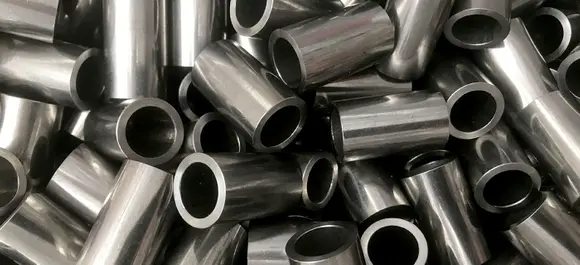
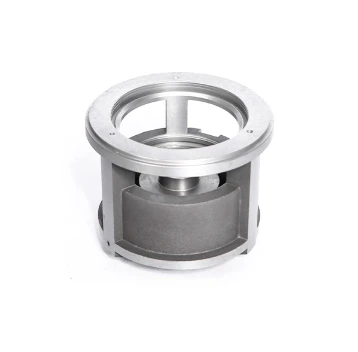
Moreover, innovation within this niche is expanding the capabilities of male pipe caps. Recent advancements have introduced features such as reinforced caps for higher pressure systems and smart sensors integrated within certain caps to alert users about pressure changes or potential breaches. These innovations highlight the evolving nature of plumbing technology and the continuous push towards more efficient, intelligent, and resilient systems. As industries continue to push boundaries in infrastructure development, the role of male pipe caps will undoubtedly expand. Understanding the diverse applications and benefits of these components not only equips professionals with the knowledge to make informed decisions but also instills a deeper respect for the intricate components hidden within our essential systems. Building trust within the industry also relies heavily on aligning with reputable manufacturers and suppliers. By sourcing male pipe caps from established companies renowned for their quality assurance processes, both consumers and professionals can ensure consistency and reliability, reinforcing confidence in the systems they support. Finally, as environmental considerations become increasingly prioritized, selecting male pipe caps that conform to eco-friendly standards is becoming essential. Materials that are durable and recyclable lessen the environmental impact and align with sustainable development goals. In closing, while male pipe caps might appear as minor components within the expansive field of plumbing and construction, their role is anything but marginal. From safeguarding system integrity during testing and maintenance to pioneering advancements in technology, these fittings empower systems to function effectively and reliably. The key lies in informed selection, skilled installation, and ongoing maintenance, cementing male pipe caps as critical components in the building blocks of our modern world.
Next:
Latest news
-
Choosing an Engine Storage Crate Cover for Material and EnvironmentNewsNov.23,2026
-
Cylinder Head Chamber Buyers: Check the Casting Specification FirstNewsNov.17,2026
-
How Impeller Casting Manufacturers Match Material, Process and EquipmentNewsNov.15,2026
-
Valve body vs. intake air chamber: Which casting fits your assembly?NewsNov.02,2026
-
Air Intake Chamber FAQ: Specifications, Ordering and Support QuestionsNewsOct.28,2026
-
Motorcycle Accessories FAQ: Specifications, Ordering and Support QuestionsNewsOct.24,2026
Related PRODUCTS










