English

Mobile:+86-311-8081-2683
Email:info@ydcastings.com
English
Male Hose End Cap for Secure Connections and Leak Prevention in Gardening Applications
Understanding Male Hose End Caps A Comprehensive Guide
In the world of plumbing and gardening, the terms and fittings you encounter can sometimes be overwhelming. One such component that plays a vital role in hose management and water flow control is the male hose end cap. This article aims to provide a detailed overview of male hose end caps, their applications, benefits, and installation procedures.
What is a Male Hose End Cap?
A male hose end cap is a fitting that is designed to cover the open end of a male hose fitting. Typically made from durable materials such as plastic, brass, or stainless steel, these caps come with internal threads that enable them to connect to other fittings or hose attachments. The primary function of a male hose end cap is to seal off the hose's end, preventing leakage and allowing for the safe storage of hoses when not in use.
Applications of Male Hose End Caps
Male hose end caps are used in various applications across different fields
1. Gardening and Irrigation They are often used in gardening systems to terminate hoses. For instance, if a gardener is using a hose to water plants but doesn’t require the hose to be connected to a water source at all times, a male end cap would allow them to seal the hose securely.
2. Automotive and Industrial Male hose end caps are also utilized in automotive applications, where they serve to cover fuel lines, coolant hoses, and other fluid transport systems, preventing spills and contamination.
3. Home Maintenance In household plumbing, these caps are used to cap off unused or damaged hose connections, ensuring that water leaks do not occur.
Benefits of Using Male Hose End Caps
The benefits of incorporating male hose end caps into your system are numerous
male hose end cap
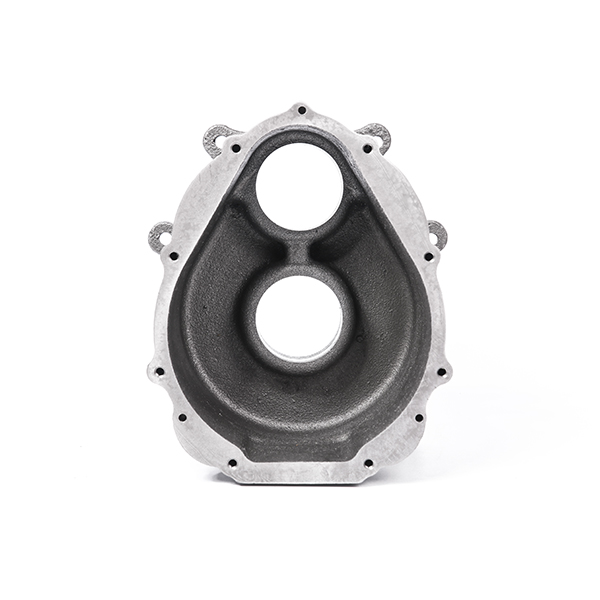
- Leak Prevention The most significant advantage is that they effectively prevent water or other fluids from leaking from the end of the hose, which can save money and protect your environment from potential damage.
- Protection from Contaminants By sealing open hose ends, these caps help keep the interior of the hose clean, protecting it from dirt, debris, and other contaminants.
- Extended Hose Life By preventing leaks and contamination, male hose end caps contribute to prolonging the lifespan of your hoses, making them a cost-effective choice in the long run.
How to Install a Male Hose End Cap
Installing a male hose end cap is a straightforward process
1. Prepare the Hose Ensure that the hose end is clean and free from any debris or water. Dry it thoroughly if necessary.
2. Thread the Cap Align the threads of the male hose end cap with those of the hose. Begin threading the cap by hand to ensure it is fitted correctly.
3. Tighten the Cap Use a wrench or pliers to tighten the cap. However, be cautious not to overtighten, as this could damage the cap or the hose.
4. Check for Leaks After installation, turn the water supply on briefly to check for leaks. If any is discovered, simply tighten the cap further.
Conclusion
In conclusion, male hose end caps are an essential component for anyone who regularly uses hoses in gardening, plumbing, automotive, or industrial applications. Their ability to prevent leaks, protect against contamination, and extend the life of hoses makes them a valuable addition to your toolkit. Whether you are a professional or a DIY enthusiast, understanding the importance and functionality of male hose end caps can enhance your efficiency and effectiveness in various tasks.
-
Choosing an Engine Storage Crate Cover for Material and EnvironmentNewsNov.23,2026
-
Cylinder Head Chamber Buyers: Check the Casting Specification FirstNewsNov.17,2026
-
How Impeller Casting Manufacturers Match Material, Process and EquipmentNewsNov.15,2026
-
Valve body vs. intake air chamber: Which casting fits your assembly?NewsNov.02,2026
-
Air Intake Chamber FAQ: Specifications, Ordering and Support QuestionsNewsOct.28,2026
-
Motorcycle Accessories FAQ: Specifications, Ordering and Support QuestionsNewsOct.24,2026










