English

Mobile:+86-311-8081-2683
Email:info@ydcastings.com
English
low pressure casting
Low Pressure Casting A Versatile Manufacturing Process
Low pressure casting is an advanced manufacturing process that involves the use of low pressure to fill a mold with molten metal. This technique is primarily utilized in the production of aluminum and other non-ferrous alloys, enabling the creation of complex shapes and high-quality components with excellent surface finishes. Its significance in the manufacturing industry stems from its efficiency, cost-effectiveness, and the exceptional mechanical properties of the final products.
The low pressure casting process begins with the preparation of a mold, typically made of steel or iron, which is designed to withstand the internal pressure during casting. Molten metal is poured into a chamber, and a controlled low pressure (usually between 0.05 to 0.5 bar) is applied. This pressure forces the molten metal into the mold cavity, ensuring that it fills every detail and avoids the formation of voids and defects. As the metal cools, it solidifies into the desired shape, adhering to the intricate features of the mold.
One of the primary advantages of low pressure casting is its ability to produce thin-walled components with high dimensional accuracy. This is particularly beneficial in industries such as automotive, aerospace, and electronics, where precision is critical. The process also minimizes the need for extensive machining, reducing production time and material waste. Additionally, the method assures that the final products possess fine grain structures, which enhance their strength and durability.
low pressure casting
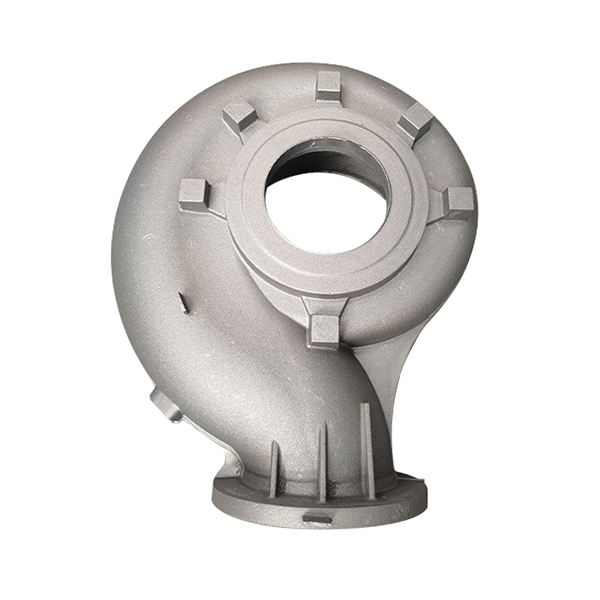
Another benefit of low pressure casting is its versatility in producing a wide range of components, from small intricate parts to larger structural elements. This flexibility allows manufacturers to cater to varied customer demands while maintaining high quality standards. Moreover, it supports the integration of different alloys, enabling innovations in material properties tailored for specific applications.
Despite its many advantages, low pressure casting is not without challenges. The initial setup and equipment costs can be higher compared to other casting processes like gravity casting. Furthermore, careful control of parameters such as temperature and pressure is crucial to avoid defects like shrinkage or porosity.
In conclusion, low pressure casting is a highly effective manufacturing process offering numerous benefits, including precision, efficiency, and versatility. As industries continue to seek innovative and sustainable production methods, low pressure casting stands out as a reliable solution for creating high-quality components, driving advancements in modern manufacturing. As technology continues to evolve, the potential for this casting technique remains vast, paving the way for future developments in various engineering fields.
-
Choosing an Engine Storage Crate Cover for Material and EnvironmentNewsNov.23,2026
-
Cylinder Head Chamber Buyers: Check the Casting Specification FirstNewsNov.17,2026
-
How Impeller Casting Manufacturers Match Material, Process and EquipmentNewsNov.15,2026
-
Valve body vs. intake air chamber: Which casting fits your assembly?NewsNov.02,2026
-
Air Intake Chamber FAQ: Specifications, Ordering and Support QuestionsNewsOct.28,2026
-
Motorcycle Accessories FAQ: Specifications, Ordering and Support QuestionsNewsOct.24,2026










