English

Mobile:+86-311-8081-2683
Email:info@ydcastings.com
English
lost pla aluminum casting
The Challenges of Lost Foam Aluminum Casting
Lost foam aluminum casting is an innovative manufacturing process that combines the benefits of traditional casting methods with modern technology to produce complex and high-precision aluminum components. This method, commonly used in the automotive and aerospace industries, offers significant advantages in terms of design flexibility and material efficiency. However, like any manufacturing technique, it presents several challenges that must be understood to optimize its application.
Understanding Lost Foam Casting
Lost foam casting (LFC) is a process that uses a foam pattern made of polystyrene or other materials, which is coated with a refractory material to create a mold. The foam pattern is then placed in a sand mold, and molten aluminum is poured into the cavity, causing the foam to evaporate and form the shape of the final product. The primary advantage of this technique lies in its ability to produce intricate shapes without the need for complex cores or multiple machining operations.
Advantages of Lost Foam Aluminum Casting
One of the standout benefits of lost foam casting is the reduction in material waste. Traditional casting methods can lead to significant amounts of excess material, especially in cases where complex geometries are required. However, with lost foam casting, the pattern is designed to minimize waste, producing parts that closely match the final specifications with little need for additional machining.
Furthermore, this process allows for a high degree of design freedom. Engineers can create complex shapes that may be difficult or impossible to achieve with other casting methods. This capability is particularly important in industries such as automotive and aerospace, where reducing weight and improving fuel efficiency are critical.
Challenges in Lost Foam Aluminum Casting
lost pla aluminum casting
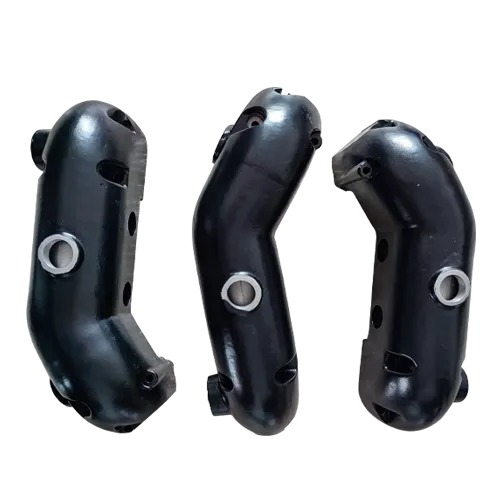
Despite its advantages, lost foam aluminum casting presents several challenges that manufacturers must address. A primary concern is the control of the pouring process. The molten aluminum must flow smoothly through the mold to avoid defects such as cold shuts, where sections of the casting do not fuse properly. Ensuring proper pouring temperature and rate is crucial, as any inconsistencies can lead to quality issues.
Another significant challenge is managing the thermal expansion of the foam pattern. As the foam evaporates, rapid gas generation occurs, which can create pressure within the mold. If not properly ventilated, this can result in defects in the final casting. Manufacturers must carefully design the mold and implement adequate venting strategies to ensure that the gas escapes without creating voids or defects.
Quality Control and Testing
Quality control is paramount in any manufacturing process, and lost foam aluminum casting is no exception. Rigorous testing and inspection are required to ensure that the final products meet the specified tolerances and performance standards. Non-destructive testing methods, including ultrasonic and radiographic inspection, are commonly employed to identify internal defects without damaging the components.
Additionally, manufacturers often implement advanced quality control measures such as statistical process control (SPC) to monitor and optimize the casting process continually. By analyzing data collected during production, manufacturers can identify trends and make adjustments to improve quality and minimize defects.
Conclusion
Lost foam aluminum casting represents a remarkable advancement in the manufacturing of complex, lightweight components. Its advantages in material efficiency and design flexibility make it an attractive option for industries that demand high precision and low waste. However, manufacturers must remain vigilant to the challenges posed by the process, particularly in terms of pouring techniques, thermal management, and quality control.
As technology continues to evolve, the lost foam casting process is likely to see further improvements and innovations. With careful attention to detail and a commitment to quality, manufacturers can harness the full potential of lost foam aluminum casting and contribute to more efficient and environmentally friendly production methods. This could pave the way for advancements not only in manufacturing but also in the development of greener technologies across various sectors.
-
Choosing an Engine Storage Crate Cover for Material and EnvironmentNewsNov.23,2026
-
Cylinder Head Chamber Buyers: Check the Casting Specification FirstNewsNov.17,2026
-
How Impeller Casting Manufacturers Match Material, Process and EquipmentNewsNov.15,2026
-
Valve body vs. intake air chamber: Which casting fits your assembly?NewsNov.02,2026
-
Air Intake Chamber FAQ: Specifications, Ordering and Support QuestionsNewsOct.28,2026
-
Motorcycle Accessories FAQ: Specifications, Ordering and Support QuestionsNewsOct.24,2026










