English

Mobile:+86-311-808-126-83
Email:info@ydcastings.com
English
iron foundry
The Crucial Role of Iron Foundries in Modern Industry
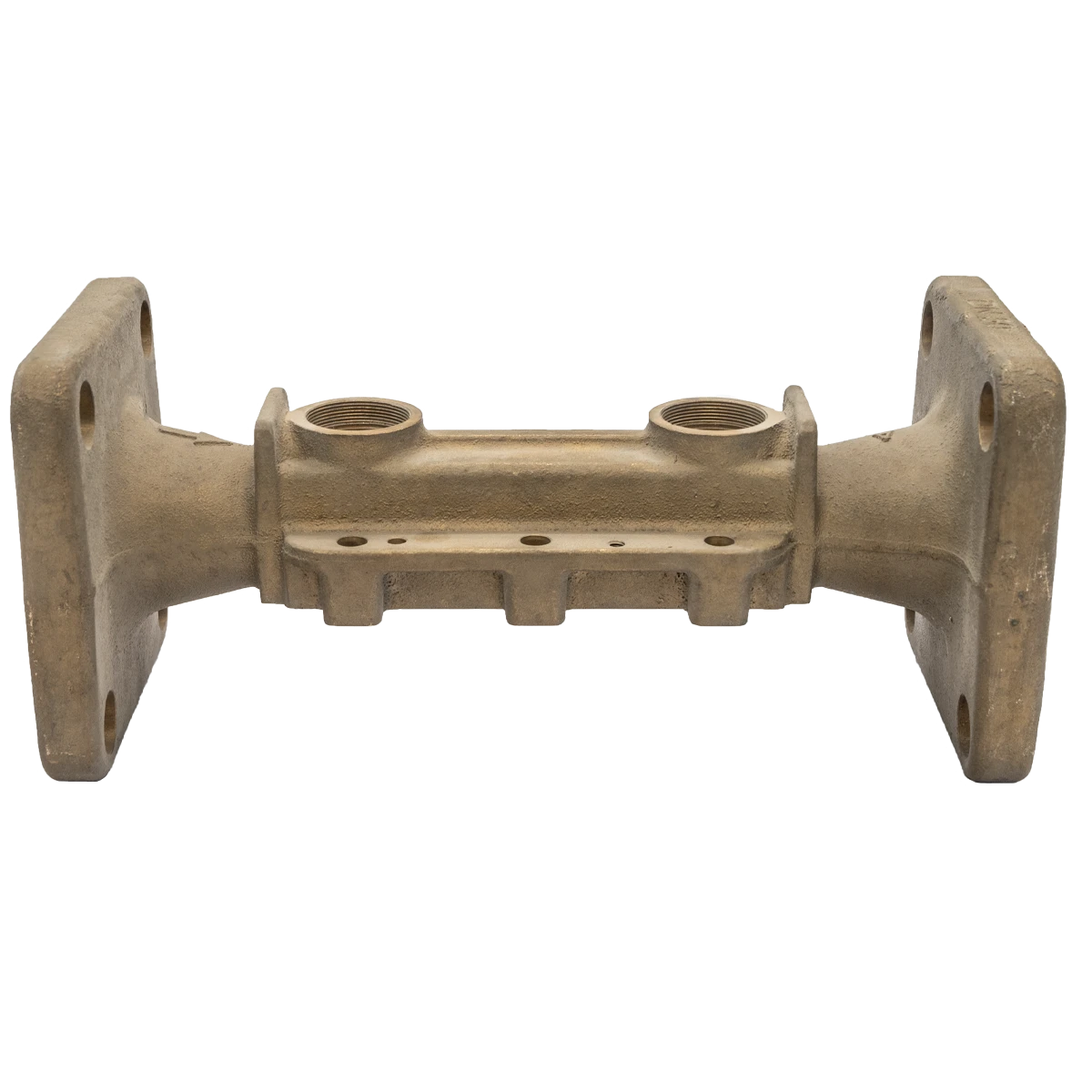
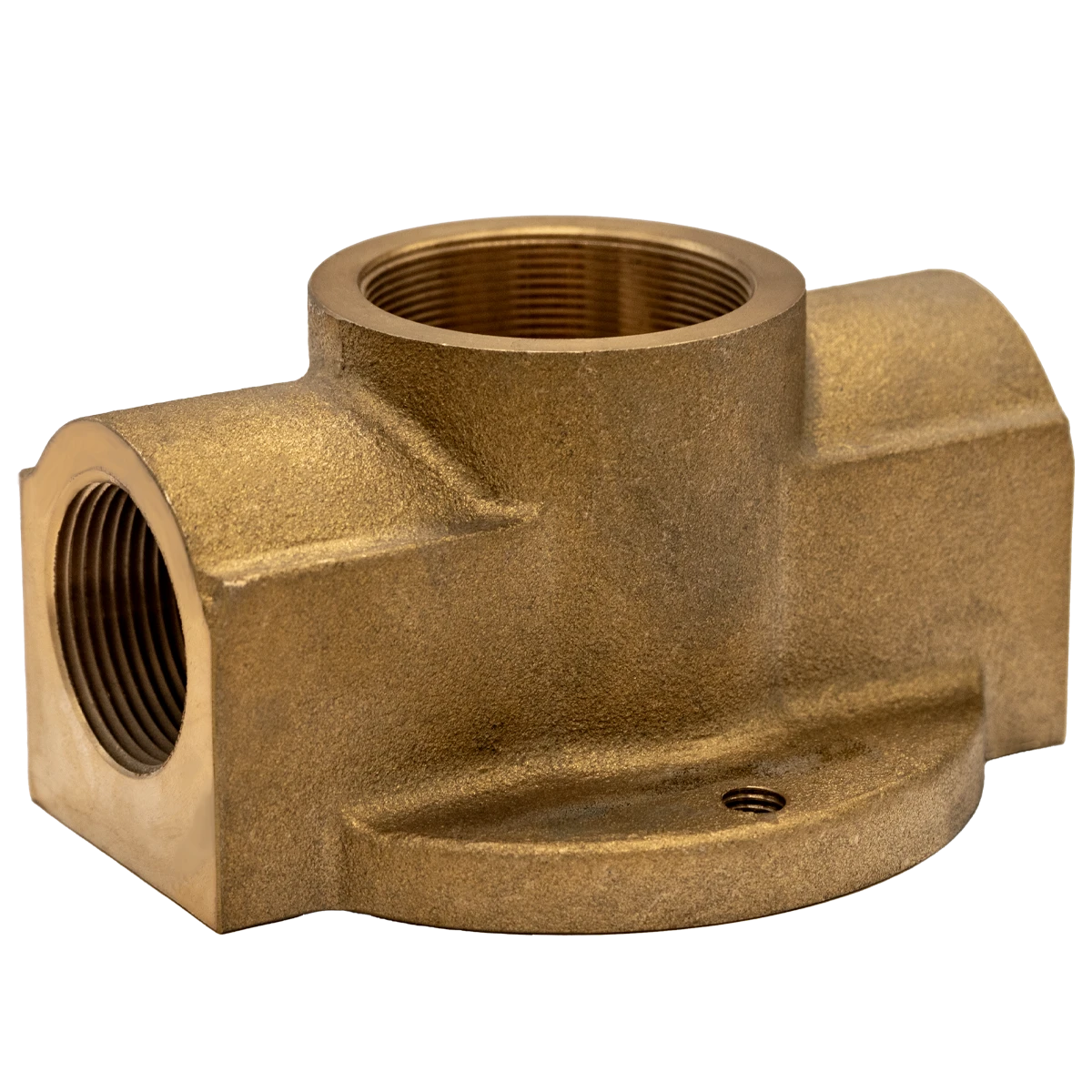
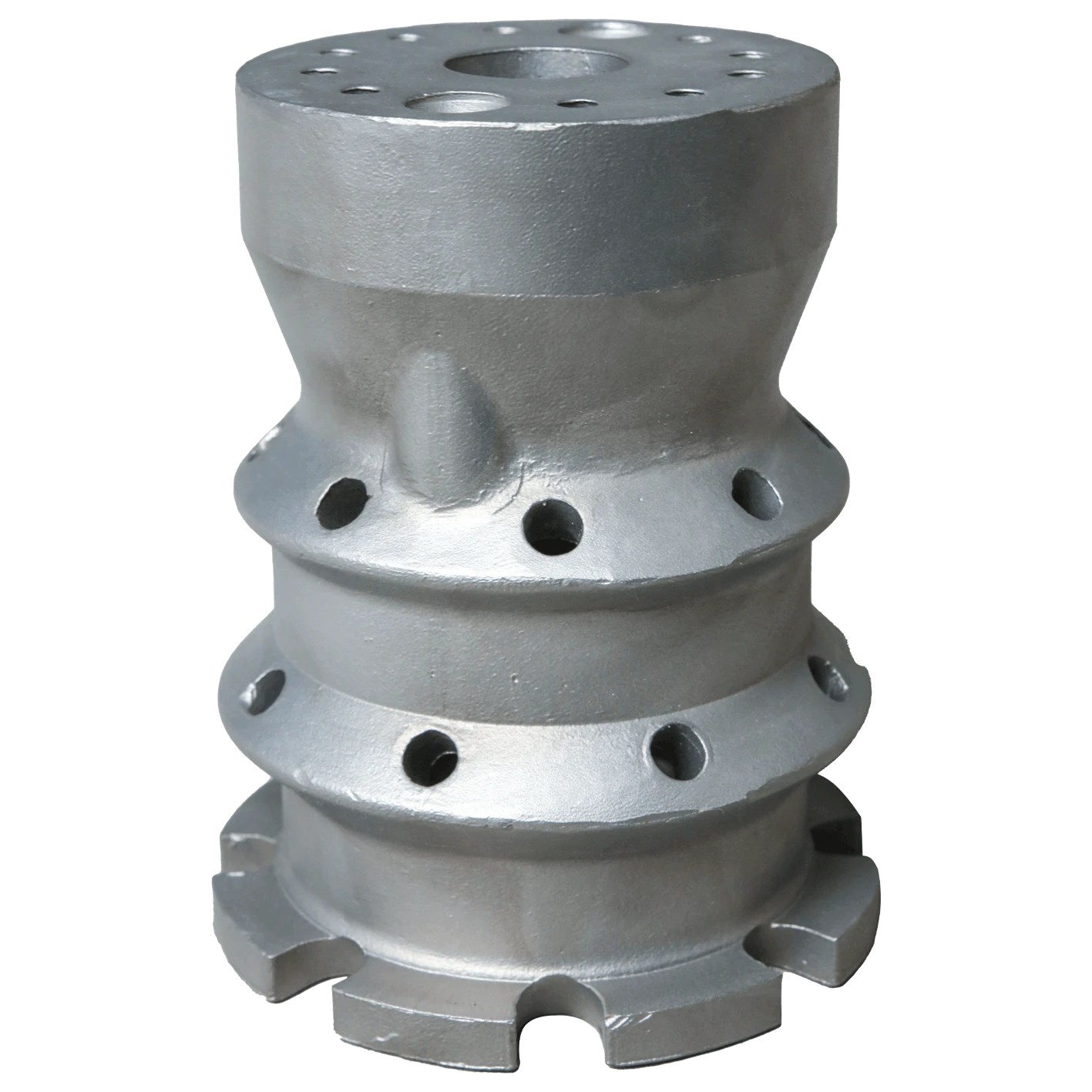
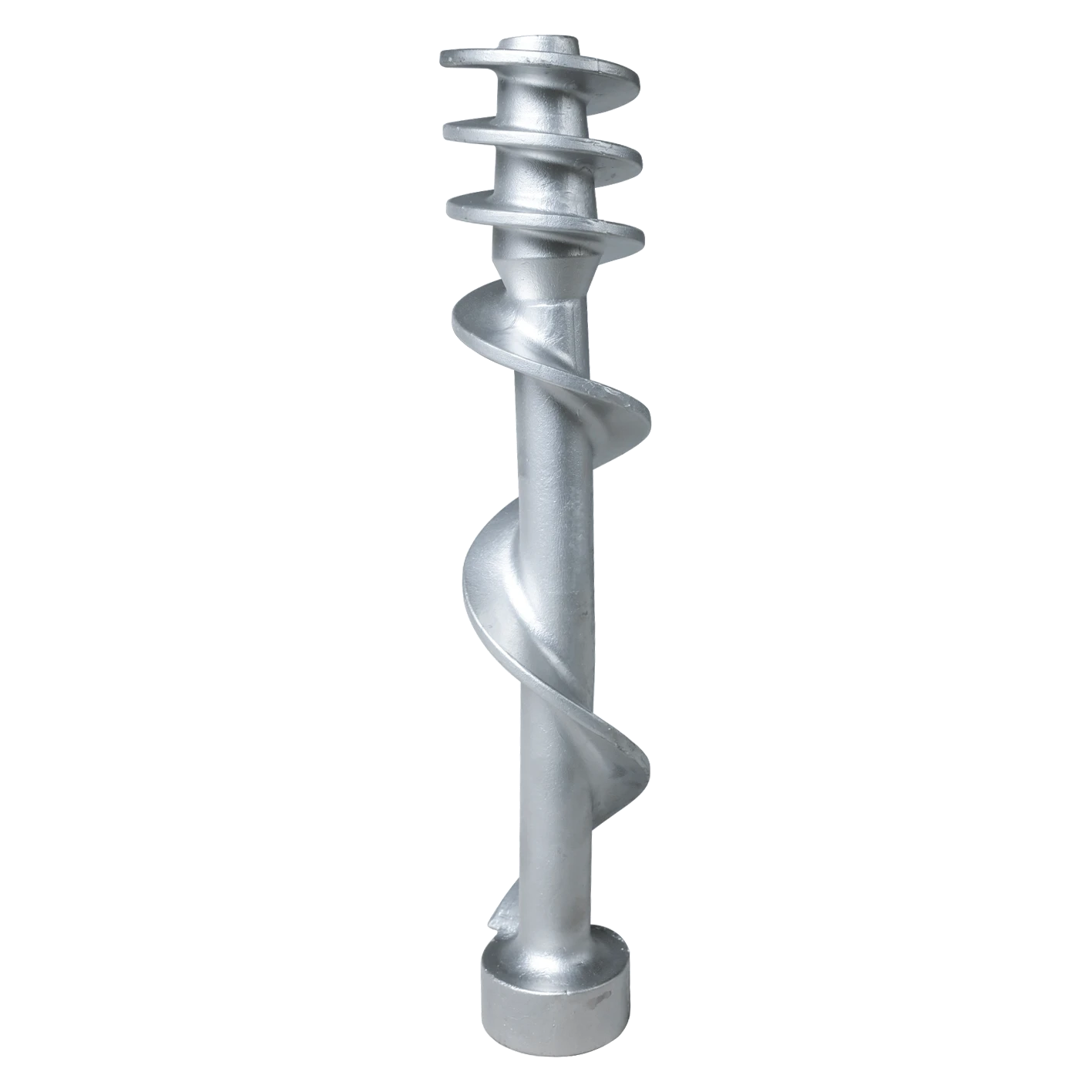
Iron foundries represent a critical sector within the manufacturing industry, serving as the origin point for a wide range of metal products vital to various applications. From automotive components to heavy machinery parts, iron foundries play an indispensable role in shaping the world around us. This article delves into the significance, processes, and future outlook of iron foundries.
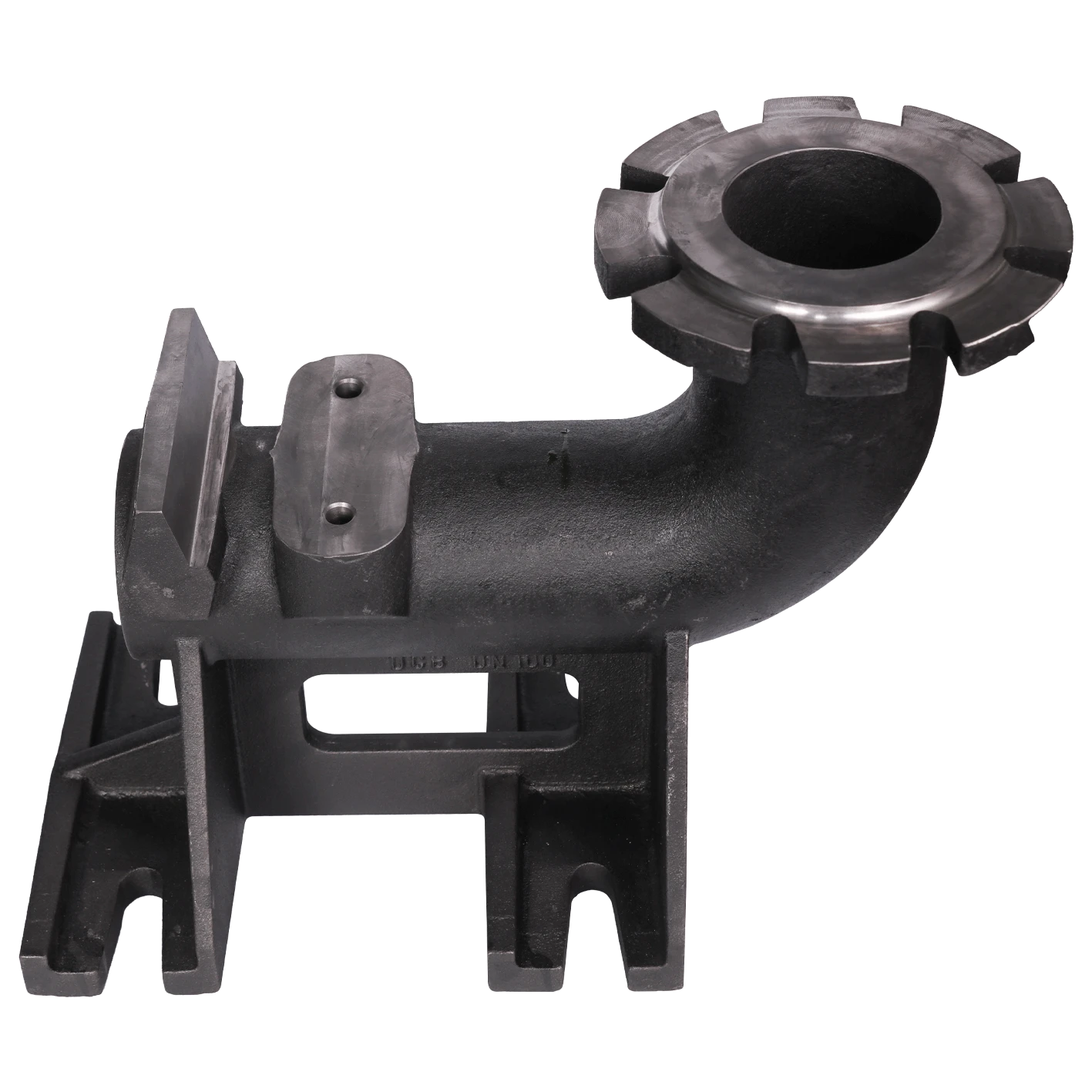
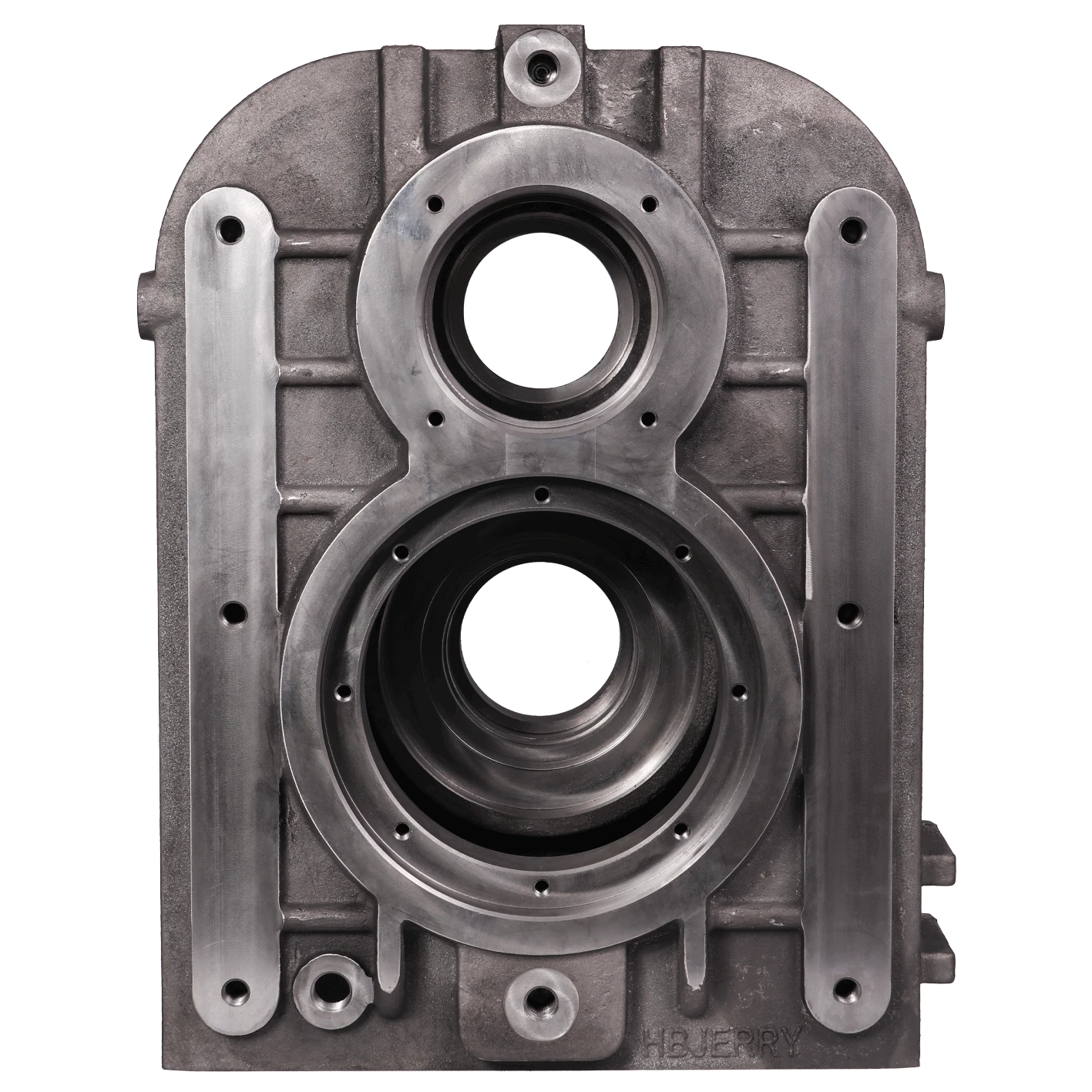
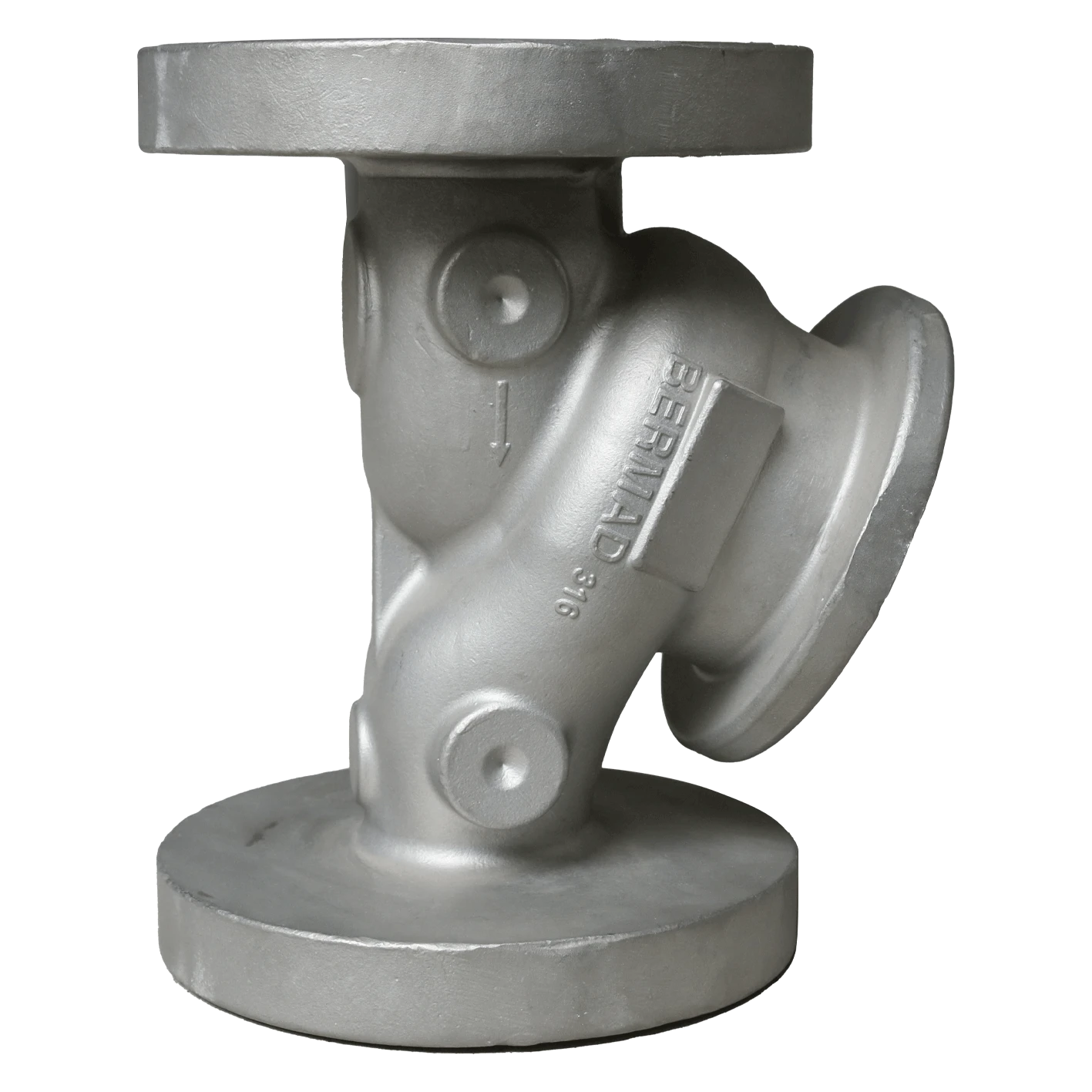
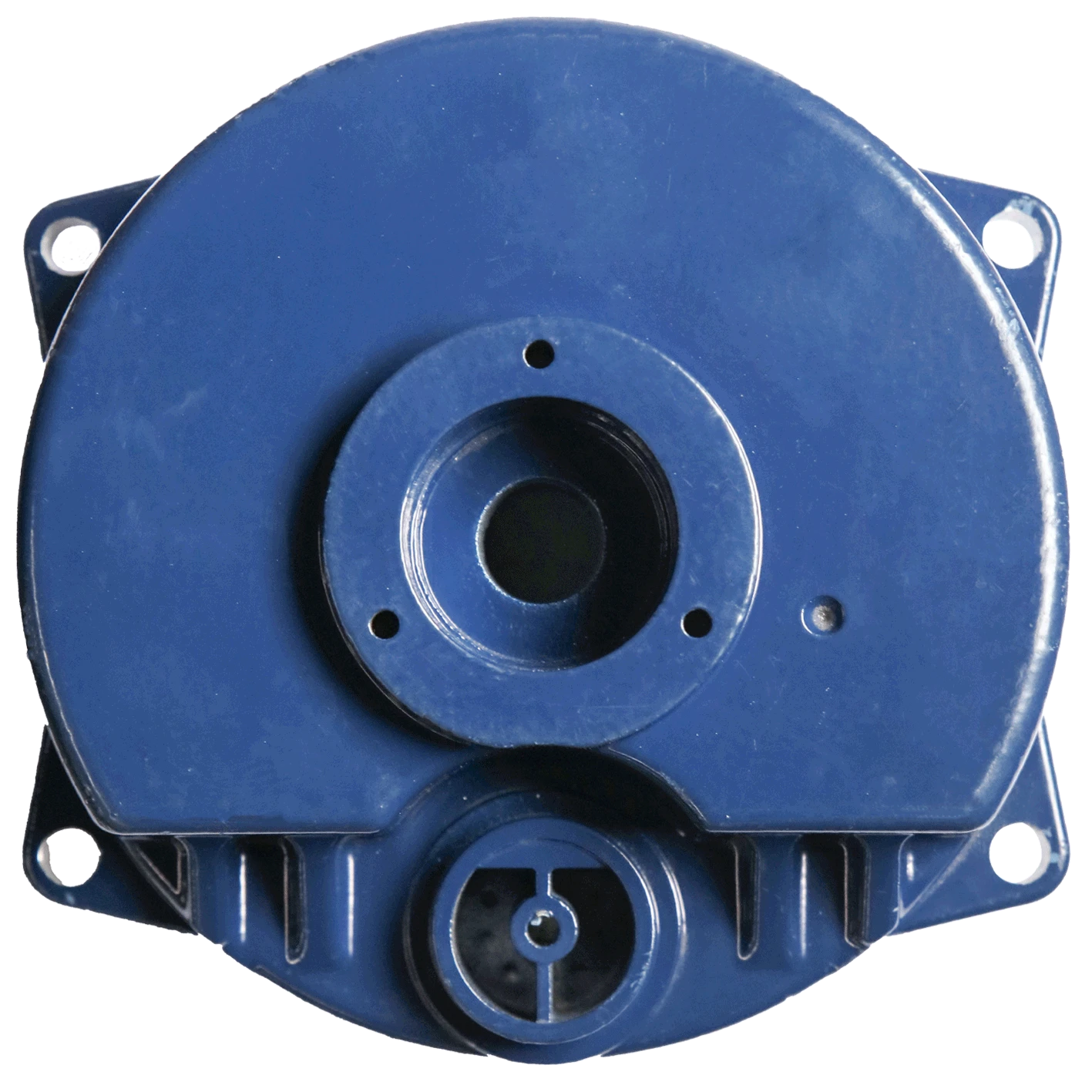
At the heart of an iron foundry's operations is the process of casting. By melting iron and pouring it into molds, foundries can create complex shapes that would be difficult or impossible to produce through machining alone. The casting process involves several stages, including pattern making, molding, melting, pouring, and finishing. Each step requires precision and expertise to ensure the final product meets stringent quality standards. Patterns, usually made from wood, metal, or plastic, are used to create molds. These molds are then filled with molten iron, which solidifies into the desired shape.
Iron foundries have long adapted to technological advancements to improve efficiency and reduce environmental impact. Traditional methods of iron casting have evolved through innovations in materials and processes, such as the introduction of computer-aided design (CAD) and automated systems. These advancements allow for higher accuracy in mold creation, leading to better fitting parts and reduced waste. Furthermore, modern foundries increasingly focus on sustainability by recycling scrap metal and utilizing energy-efficient technologies, thereby lessening their carbon footprint.
iron foundry

The products of iron foundries are ubiquitous in everyday life. The automotive industry is one of the largest consumers of cast iron products, using them for engine blocks, transmission housings, and brake components. Infrastructure projects also heavily rely on iron castings, with materials used in bridges, railways, and construction equipment. Besides industrial applications, cast iron cookware, known for its durability and heat retention properties, has seen a revival in household kitchens, further showcasing the versatility of iron foundry products.
Despite facing challenges such as fluctuating raw material prices and increasing competition from other manufacturing methods, the iron foundry industry is poised for growth. As global demand for manufactured products rises, the need for efficient and reliable component manufacturing becomes increasingly important. foundries that invest in modern technology and sustainable practices are likely to thrive in this evolving market.
Moreover, the push towards green technologies presents new opportunities for iron foundries. As industries explore alternative energy solutions and sustainable materials, foundries can leverage their capabilities to produce components for renewable energy systems, such as wind turbines and solar panel frames. This alignment with eco-friendly practices not only benefits the environment but also opens new avenues for business growth.
In conclusion, iron foundries are fundamental to the manufacturing ecosystem, providing essential components that fuel various sectors and everyday life. With their historical significance and ongoing adaptability to modern challenges, iron foundries are likely to remain a cornerstone of industrial production. As they continue to innovate and focus on sustainability, the future of iron foundries looks bright, promising to meet the demands of a rapidly changing world while maintaining their crucial role in metal casting and design.
-
Precision Valve Castings for Agricultural Irrigation and Fluid Control SystemsNewsMay.08,2026
-
Precision Impeller and Compressor Components for Agricultural MachineryNewsMay.08,2026
-
Essential Cast Components for Agricultural Machinery: Oil Management and Motor ProtectionNewsMay.08,2026
-
High-Performance Cast Components for Agricultural Machinery: From Cooling to Exhaust SystemsNewsMay.08,2026
-
Agricultural Valve Castings: Durable Flow Control Solutions for Farm Irrigation SystemsNewsMay.08,2026
-
High-Performance Agricultural Pump Components: Precision Castings for Reliable Farm OperationsNewsMay.08,2026