English

Mobile:+86-311-8081-2683
Email:info@ydcastings.com
English
investment casting ss304
Investment Casting of SS304 A Comprehensive Overview
Investment casting, also known as lost-wax casting, is a highly versatile and precise manufacturing process that is ideal for producing complex metal parts. Among the various materials used in this process, stainless steel grade SS304 stands out due to its excellent mechanical properties, corrosion resistance, and aesthetic appeal. This article delves into the investment casting process of SS304, its applications, advantages, and key considerations in production.
Understanding SS304 Stainless Steel
SS304 stainless steel is an austenitic alloy predominantly composed of chromium (18%) and nickel (8%), along with minimal amounts of carbon, silicon, and manganese. This composition not only provides excellent corrosion resistance but also enhances the alloy's toughness and ductility at both room and elevated temperatures. Its non-magnetic properties further contribute to its popularity across various industries.
The Investment Casting Process
1. Pattern Creation The investment casting process begins with the creation of a wax pattern that mirrors the final part’s shape and dimensions. This pattern is typically produced using advanced methods like 3D printing or CNC machining, ensuring high precision.
2. Shell Building The wax pattern is coated with a ceramic material in a process known as shell building. This involves dipping the pattern into a liquid ceramic slurry and then dusting it with fine sand. This step is repeated multiple times to create a robust shell around the wax pattern.
3. Wax Removal Once the shell is hardened, the assembly is subjected to heat, melting away the wax and leaving a hollow ceramic shell. This stage is crucial as it forms the cavity into which the molten SS304 will be poured.
4. Metal Pouring The melted SS304 stainless steel is carefully poured into the ceramic shell. The high fluidity of the molten metal allows it to fill intricate details and ensure an accurate replication of the pattern.
5. Cooling and Shell Removal After the metal has cooled and solidified, the ceramic shell is broken away, revealing the cast SS304 part. The remaining shell materials can be recycled, making this process more environmentally friendly.
6. Finishing Operations Finally, any excess material, known as flash, is removed, and finishing operations such as machining or polishing may be performed to achieve the desired surface finish and dimensional accuracy.
investment casting ss304
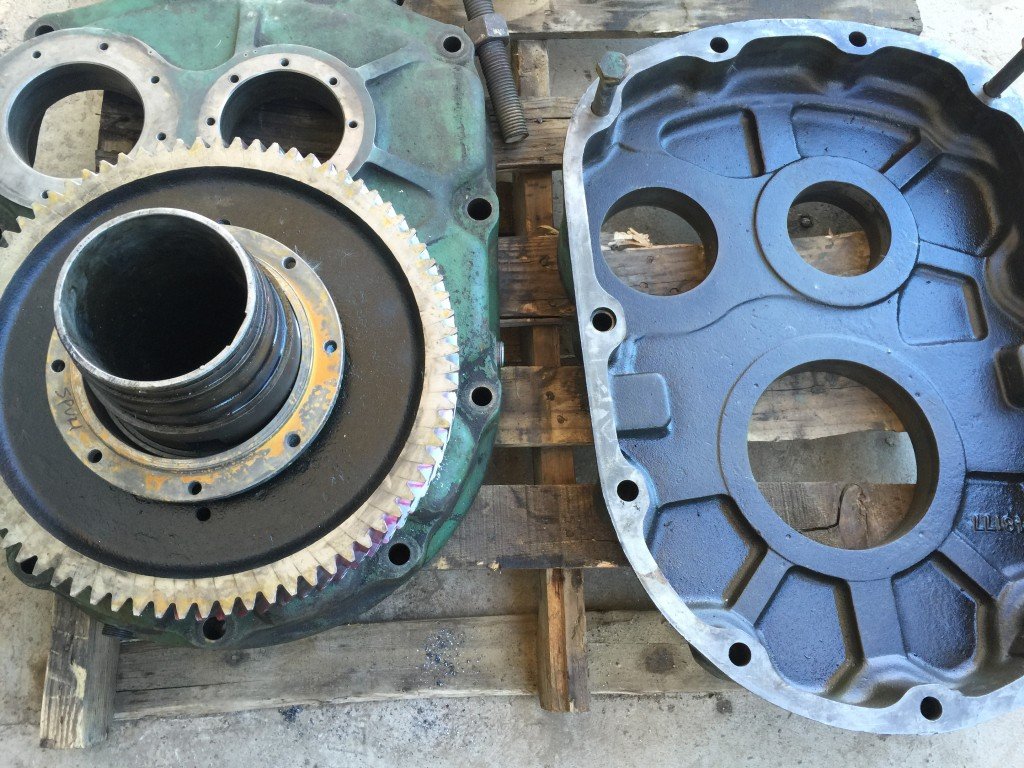
Applications of SS304 Investment Castings
The lightweight, durable, and corrosion-resistant properties of SS304 make it ideal for a wide range of applications
. Industries that commonly utilize investment cast SS304 components include- Aerospace For components requiring high strength and resistance to extreme environmental conditions. - Automotive Parts such as brackets, housings, and support elements that necessitate durability and resistance to corrosion. - Marine Components exposed to harsh saline environments, where corrosion resistance is paramount. - Food and Beverage Equipment and tools that must comply with hygiene standards, benefiting from SS304's easy-to-clean surfaces.
Advantages of Investment Casting with SS304
Investment casting of SS304 offers several advantages
- Precision and Detail The ability to create highly detailed and complex geometries with tight tolerances. - Material Efficiency Minimal waste as the process allows for intricate designs without excessive material removal. - Versatility Applicable for low or high-volume production runs, accommodating various sizes and designs. - Exceptional Surface Finish The casting process provides a smooth surface finish that may require less machining.
Key Considerations
While there are numerous benefits to investment casting SS304, manufacturers should consider several factors
- Cost-Effectiveness The tooling and initial setup costs can be high, so understanding production volume is essential for economic feasibility. - Thermal Considerations Maintaining the correct temperature during the melt and pour stages to ensure the best material properties and avoid defects. - Post-Casting Treatments Depending on the application, additional treatments may be required to enhance properties like surface finish or mechanical strength.
Conclusion
Investment casting with SS304 stainless steel serves as a crucial method in contemporary manufacturing, providing unmatched precision and excellent material properties. As industries continue to evolve and seek more efficient production techniques, the role of investment casting in creating high-quality components is likely to expand, solidifying its relevance in the manufacturing landscape. The advantages of this process, paired with SS304's durability and corrosion resistance, make it an option worth considering for various applications.
-
Choosing an Engine Storage Crate Cover for Material and EnvironmentNewsNov.23,2026
-
Cylinder Head Chamber Buyers: Check the Casting Specification FirstNewsNov.17,2026
-
How Impeller Casting Manufacturers Match Material, Process and EquipmentNewsNov.15,2026
-
Valve body vs. intake air chamber: Which casting fits your assembly?NewsNov.02,2026
-
Air Intake Chamber FAQ: Specifications, Ordering and Support QuestionsNewsOct.28,2026
-
Motorcycle Accessories FAQ: Specifications, Ordering and Support QuestionsNewsOct.24,2026










