English

Mobile:+86-311-8081-2683
Email:info@ydcastings.com
English
Innovative Approaches in Valve Casting Techniques for Enhanced Performance and Durability
Valve Casting An In-Depth Exploration
Valve casting is a critical manufacturing process used across various industries, particularly in the production of components for water, oil, gas, and various types of machinery. This method is essential for creating intricate and precise parts that require high durability and performance standards. This article delves into the process of valve casting, its applications, benefits, and advancements in technology.
Understanding Valve Casting
Valve casting involves pouring molten metal into a mold to create a desired shape, typically a valve body or its components. The most commonly used materials for valve casting include cast iron, stainless steel, and nickel alloys, chosen for their strength, corrosion resistance, and ability to withstand high pressures and temperatures. The casting process can be tailored to meet specific requirements based on the intended application of the valve.
The process begins with designing a mold, which can be made from sand, metal, or ceramic materials. This mold is designed to withstand the heat of the molten metal and to provide the necessary detail for the valve’s features. Once the mold is prepared, molten metal is poured into it and allowed to cool and solidify. After cooling, the mold is removed, and the cast valve can undergo further machining and finishing processes to ensure it meets the exact specifications.
Types of Valve Casting Processes
There are several types of casting processes utilized in the manufacturing of valves
1. Sand Casting This is the most common method for valve production. It offers flexibility and cost-effectiveness for creating large quantities of parts. The process uses a mixture of sand and a binding agent to form the mold, which can be easily shaped and modified.
2. Investment Casting Also known as lost-wax casting, this method is used for producing high-precision components. It involves creating a wax model of the valve, encasing it in a ceramic shell, and then melting the wax away before pouring in the molten metal. This technique is ideal for complex geometries and finer details.
3. Die Casting This process uses high pressure to inject molten metal into a mold. While it is more suitable for non-ferrous metals, die casting provides excellent dimensional accuracy and surface finish, making it a preferred choice for mass production of smaller components.
4. Permanent Mold Casting In this method, reusable molds made from metal are employed. This technique leads to better dimensional accuracy and surface finish but is generally limited to simpler geometries.
Applications of Valve Castings
valve casting
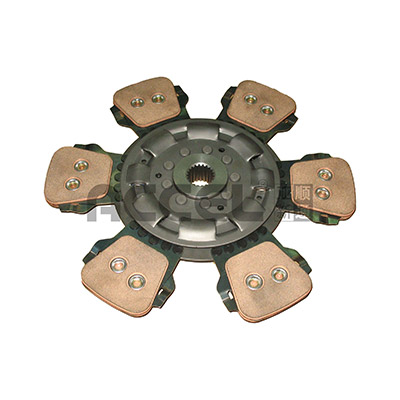
Valve castings are ubiquitous in various industries, including
- Oil and Gas Valves are critical for controlling the flow of oil and gas in pipelines and processing facilities. - Water Management Water treatment and distribution systems utilize various types of valves to regulate flow and pressure. - Power Generation Valves are key components in steam and nuclear power plants, where they control the flow of steam and cooling water. - Automotive Engine cooling systems and fuel management systems extensively use valves to ensure optimal performance and efficiency.
Benefits of Valve Casting
1. High Strength and Durability Cast valves are designed to withstand harsh environments and high pressures, making them ideal for industrial applications.
2. Cost-Effectiveness Casting allows for the mass production of parts, reducing labor and material costs, particularly in large-scale applications.
3. Complex Shapes The casting process can create intricate shapes that would be difficult or impossible to machine from solid materials.
4. Material Versatility A variety of metals can be used, allowing designers to choose the best material based on the application’s requirements.
Advancements in Valve Casting Technology
Recent advancements in casting technology have revolutionized the valve manufacturing process. Innovations in 3D printing are enabling the rapid prototyping of molds and core designs, reducing lead times and allowing for more complex designs. Additionally, improvements in simulation software are helping manufacturers predict and mitigate casting defects, leading to higher quality products.
Conclusion
Valve casting is integral to modern manufacturing, playing a vital role in numerous industries. As technology continues to evolve, the processes and materials used in valve casting are likely to improve, enhancing the efficiency and quality of produced components. This evolution will not only benefit manufacturers but also the end-users who depend on these critical components for operational safety and efficiency.
-
Choosing an Engine Storage Crate Cover for Material and EnvironmentNewsNov.23,2026
-
Cylinder Head Chamber Buyers: Check the Casting Specification FirstNewsNov.17,2026
-
How Impeller Casting Manufacturers Match Material, Process and EquipmentNewsNov.15,2026
-
Valve body vs. intake air chamber: Which casting fits your assembly?NewsNov.02,2026
-
Air Intake Chamber FAQ: Specifications, Ordering and Support QuestionsNewsOct.28,2026
-
Motorcycle Accessories FAQ: Specifications, Ordering and Support QuestionsNewsOct.24,2026










