English

Mobile:+86-311-8081-2683
Email:info@ydcastings.com
English
Innovations and Techniques in Die Casting for Optimal Production Efficiency
Understanding Die Casting A Comprehensive Overview of SS Die Casting
Die casting is a manufacturing process known for its efficiency and precision. This method is particularly advantageous for producing complex shapes and high-volume parts that require a high level of detail. Among the various die casting techniques, stainless steel (SS) die casting has gained significant attention due to its durability, corrosion resistance, and aesthetic appeal.
Stainless steel die casting involves injecting molten stainless steel into a mold cavity under pressure. This process not only ensures that the end products have a smooth finish and accurate dimensions but also that they can withstand extreme conditions. The ability to maintain structural integrity in harsh environments makes SS die casting an ideal choice for various applications, including automotive parts, household appliances, and industrial equipment.
Understanding Die Casting A Comprehensive Overview of SS Die Casting
The die casting process itself is broken down into several key stages. First, the mold is designed and constructed, typically from steel to withstand the intense heat and pressure involved in the process. Next, the stainless steel is heated until it becomes molten, after which it is injected into the mold. Once the metal cools and solidifies, the mold is opened, and the finished part is removed. This efficient production cycle ensures high output with minimal waste, which is particularly beneficial in an era where sustainability is paramount.
ss die casting
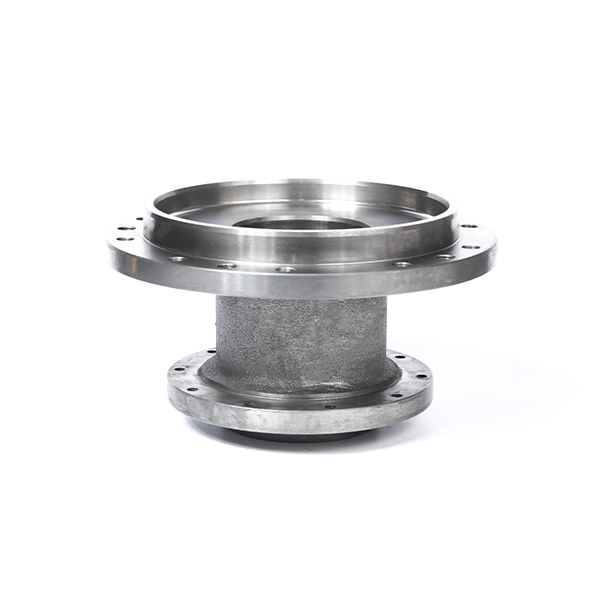
However, stainless steel die casting does come with its challenges. The high melting point of stainless steel requires specialized equipment and careful temperature control throughout the casting process. Additionally, while SS die casting produces strong parts, the initial costs can be higher than those of aluminum or zinc die casting. This is due to the increased complexity of handling and processing stainless steel.
Despite these challenges, the demand for stainless steel die-cast products continues to rise. Industries prioritize longevity and reliability, attributes that stainless steel inherently possesses. With the added value of reduced maintenance costs and extended lifecycles, the investment in SS die casting often pays off in the long term.
Furthermore, advancements in technology are making stainless steel die casting more accessible. Innovations in mold design, automated systems for handling complications, and improved casting techniques are streamlining the process. As a result, companies can produce high-quality, intricate parts more efficiently and at competitive prices.
In conclusion, stainless steel die casting stands out as a superior manufacturing process capable of meeting the demands of modern industries. With its unique properties and ability to produce precision components, it provides significant advantages for applications requiring strength and resistance to corrosion. As technology continues to advance, we can expect even more innovations within this field, further enhancing the capabilities and applications of SS die casting.
-
Choosing an Engine Storage Crate Cover for Material and EnvironmentNewsNov.23,2026
-
Cylinder Head Chamber Buyers: Check the Casting Specification FirstNewsNov.17,2026
-
How Impeller Casting Manufacturers Match Material, Process and EquipmentNewsNov.15,2026
-
Valve body vs. intake air chamber: Which casting fits your assembly?NewsNov.02,2026
-
Air Intake Chamber FAQ: Specifications, Ordering and Support QuestionsNewsOct.28,2026
-
Motorcycle Accessories FAQ: Specifications, Ordering and Support QuestionsNewsOct.24,2026










