English

Mobile:+86-311-808-126-83
Email:info@ydcastings.com
English
Jun . 21, 2024 14:49
Back to list
Inlet and exhaust manifolds are crucial components.
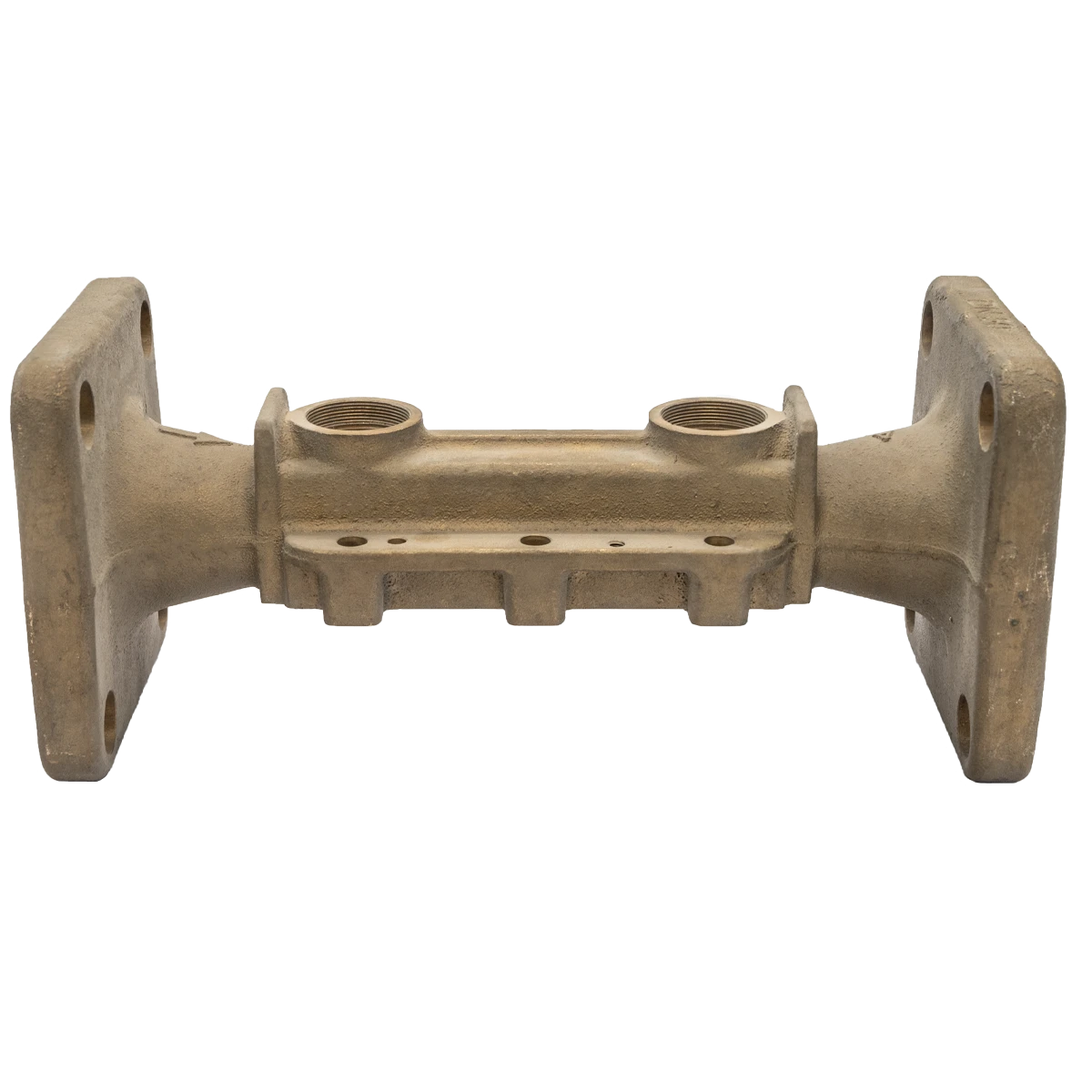
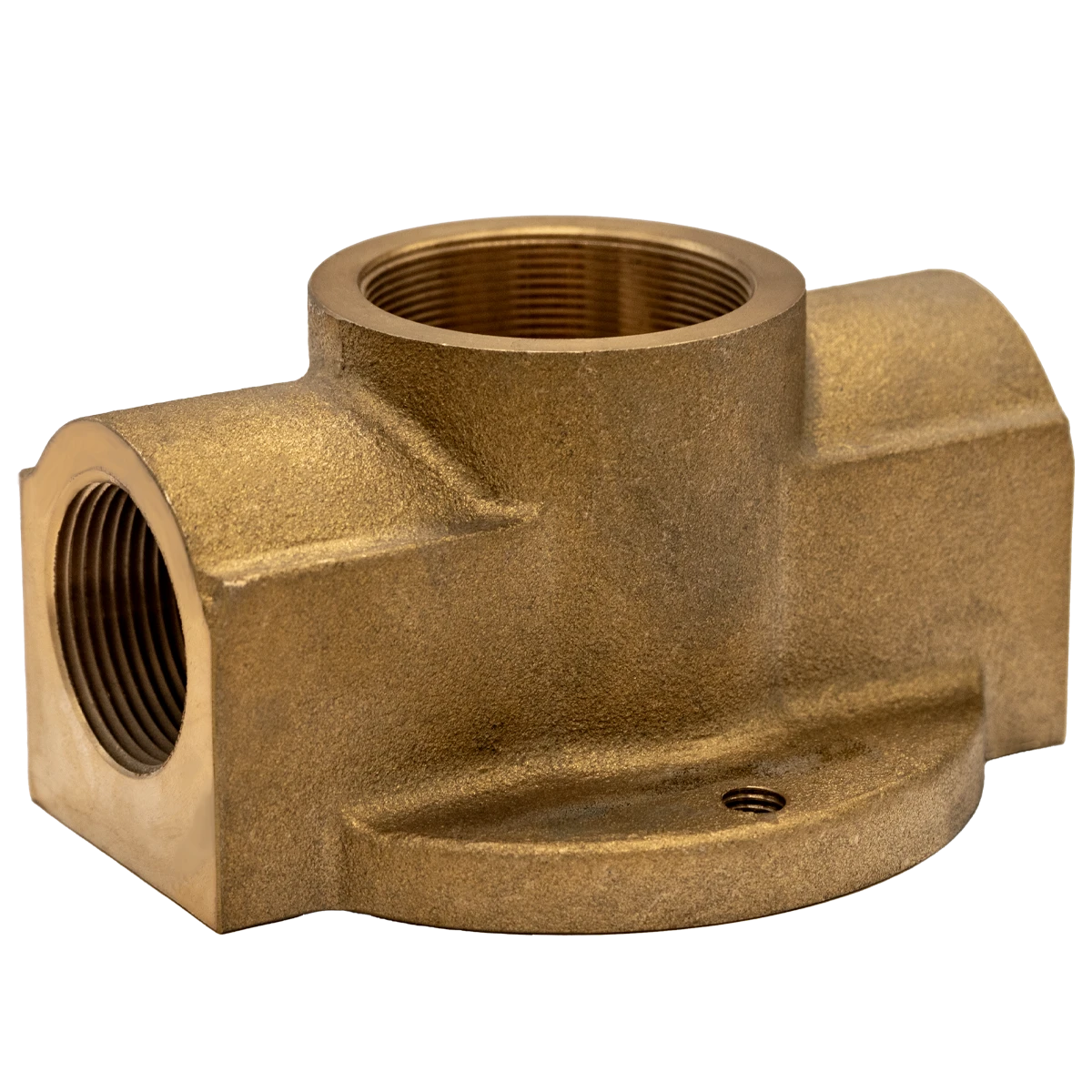
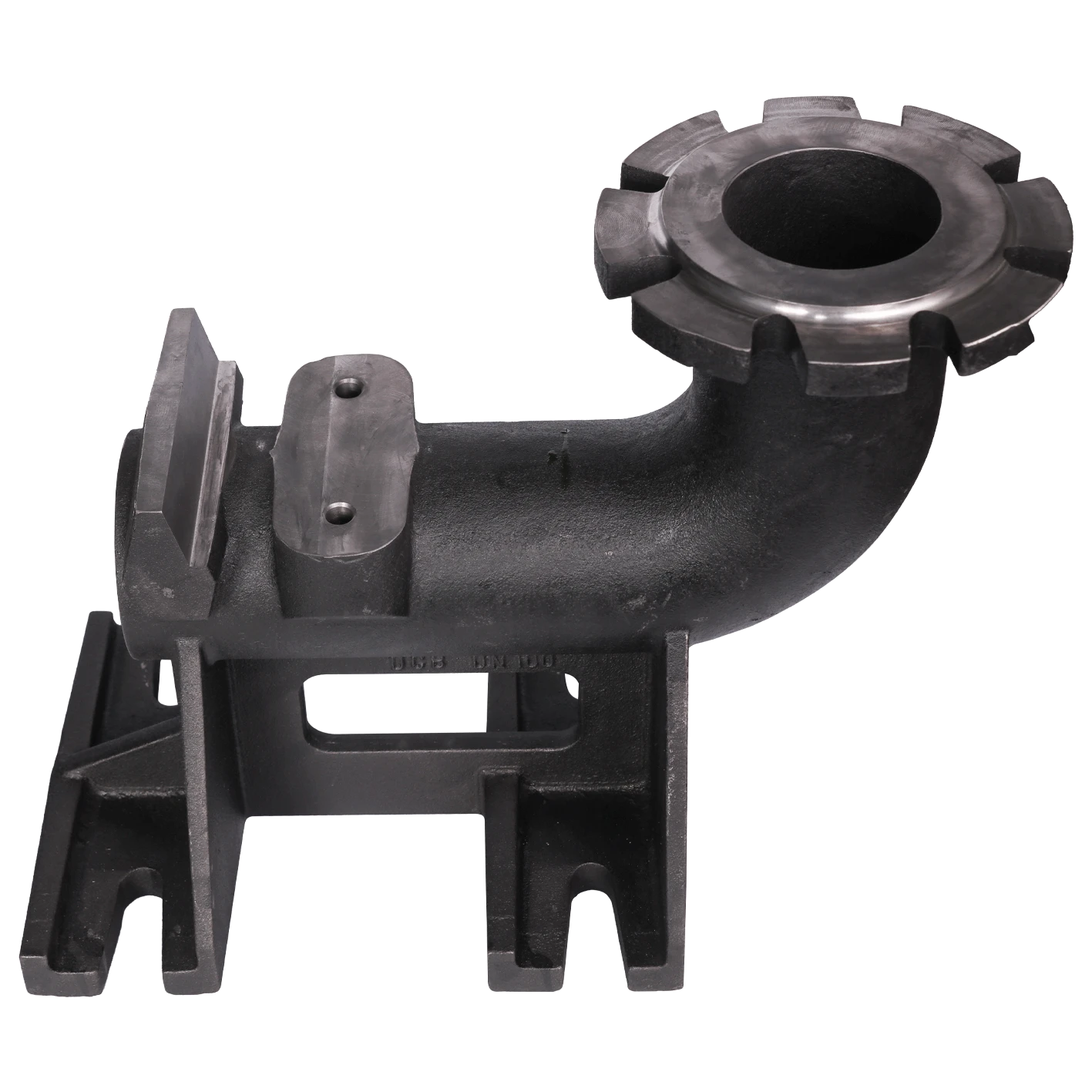
The inlet and exhaust manifolds are crucial components of an internal combustion engine, responsible for the flow of air and fuel mixture into the cylinders (inlet) and the removal of exhaust gases (exhaust). These manifolds play a significant role in the performance and efficiency of the engine, affecting power output, fuel economy, and emission levels.
Inlet manifolds are designed to evenly distribute the air-fuel mixture to each cylinder. They must provide a smooth path for the mixture to travel, minimizing resistance and turbulence that can lead to uneven combustion. The design of the inlet manifold can also influence the volumetric efficiency of the engine—how much of the air-fuel mixture is actually drawn into the cylinders compared to the theoretical maximum. Some high-performance engines use tuned inlet manifolds that take advantage of resonance effects to 'charge' the cylinders with more mixture at specific engine speeds, enhancing performance.
Exhaust manifolds, on the other hand, collect the burnt gases from the cylinders and direct them towards the exhaust system. Their design is critical for efficient engine operation as well. A poorly designed exhaust manifold can cause backpressure, reducing the engine's ability to expel exhaust gases and thereby limiting its intake of fresh air and fuel. This can result in reduced power, increased fuel consumption, and higher emissions This can result in reduced power, increased fuel consumption, and higher emissions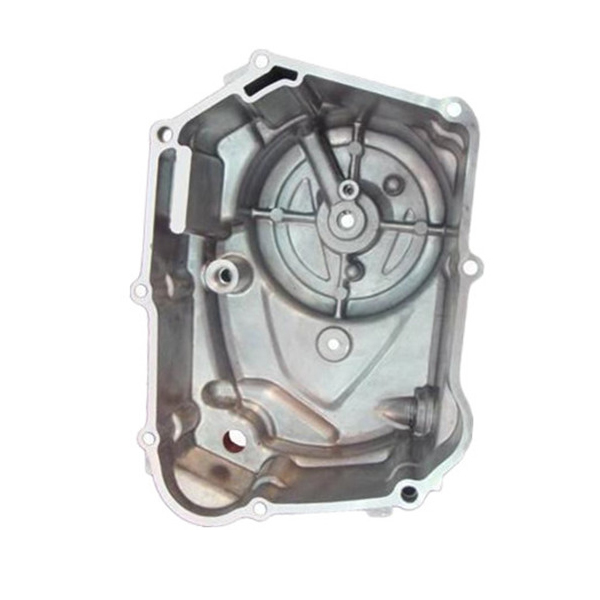 This can result in reduced power, increased fuel consumption, and higher emissions This can result in reduced power, increased fuel consumption, and higher emissionsinlet and exhaust manifold. Performance exhaust manifolds often feature larger pipes to reduce backpressure and may be constructed from materials that can withstand higher temperatures, allowing for improved exhaust flow and sometimes enhanced engine sound.
Both inlet and exhaust manifolds are typically made from cast iron or aluminum, with the latter offering the advantages of lighter weight and better heat conductivity. In racing applications, where every fraction of a second counts, manifolds might be fabricated from advanced materials like titanium or Inconel, which offer superior strength and durability at high temperatures.
The design and material selection of these manifolds require meticulous engineering to ensure optimal engine performance. Computer-aided design (CAD) and computational fluid dynamics (CFD) simulations are commonly employed to fine-tune the shape and size of the passageways within the manifolds. These tools help engineers visualize and optimize airflow characteristics, enabling the creation of more efficient and powerful engines.
In summary, the inlet and exhaust manifolds serve as the lungs of an engine, facilitating the vital process of breathing in the air-fuel mixture and exhaling waste gases. By carefully designing these components, engine manufacturers can achieve a delicate balance between performance, fuel efficiency, and environmental impact, making them a focal point of automotive engineering innovation.
This can result in reduced power, increased fuel consumption, and higher emissions This can result in reduced power, increased fuel consumption, and higher emissionsinlet and exhaust manifold. Performance exhaust manifolds often feature larger pipes to reduce backpressure and may be constructed from materials that can withstand higher temperatures, allowing for improved exhaust flow and sometimes enhanced engine sound.
Both inlet and exhaust manifolds are typically made from cast iron or aluminum, with the latter offering the advantages of lighter weight and better heat conductivity. In racing applications, where every fraction of a second counts, manifolds might be fabricated from advanced materials like titanium or Inconel, which offer superior strength and durability at high temperatures.
The design and material selection of these manifolds require meticulous engineering to ensure optimal engine performance. Computer-aided design (CAD) and computational fluid dynamics (CFD) simulations are commonly employed to fine-tune the shape and size of the passageways within the manifolds. These tools help engineers visualize and optimize airflow characteristics, enabling the creation of more efficient and powerful engines.
In summary, the inlet and exhaust manifolds serve as the lungs of an engine, facilitating the vital process of breathing in the air-fuel mixture and exhaling waste gases. By carefully designing these components, engine manufacturers can achieve a delicate balance between performance, fuel efficiency, and environmental impact, making them a focal point of automotive engineering innovation.
This can result in reduced power, increased fuel consumption, and higher emissions This can result in reduced power, increased fuel consumption, and higher emissionsinlet and exhaust manifold. Performance exhaust manifolds often feature larger pipes to reduce backpressure and may be constructed from materials that can withstand higher temperatures, allowing for improved exhaust flow and sometimes enhanced engine sound.
Both inlet and exhaust manifolds are typically made from cast iron or aluminum, with the latter offering the advantages of lighter weight and better heat conductivity. In racing applications, where every fraction of a second counts, manifolds might be fabricated from advanced materials like titanium or Inconel, which offer superior strength and durability at high temperatures.
The design and material selection of these manifolds require meticulous engineering to ensure optimal engine performance. Computer-aided design (CAD) and computational fluid dynamics (CFD) simulations are commonly employed to fine-tune the shape and size of the passageways within the manifolds. These tools help engineers visualize and optimize airflow characteristics, enabling the creation of more efficient and powerful engines.
In summary, the inlet and exhaust manifolds serve as the lungs of an engine, facilitating the vital process of breathing in the air-fuel mixture and exhaling waste gases. By carefully designing these components, engine manufacturers can achieve a delicate balance between performance, fuel efficiency, and environmental impact, making them a focal point of automotive engineering innovation. Latest news
-
Advanced Manufacturing Technologies in Modern Industrial ProductionNewsMay.22,2026
-
Engine Oil Management Tools: Essential Solutions for Clean and Efficient Automotive MaintenanceNewsMay.22,2026
-
Car Water Pump Systems: Efficiency, Cleaning Applications, and Market OverviewNewsMay.22,2026
-
Industrial Valve Castings and Flow Control Solutions in Modern EngineeringNewsMay.22,2026
-
Aluminum End Caps and Compression Solutions: A Complete Guide for Modern ApplicationsNewsMay.22,2026
-
Precision Valve Castings for Agricultural Irrigation and Fluid Control SystemsNewsMay.08,2026
Related PRODUCTS