English

Mobile:+86-311-808-126-83
Email:info@ydcastings.com
English
impeller turbine
Understanding Impeller Turbines A Blend of Efficiency and Innovation
Impeller turbines represent a significant advancement in the field of fluid mechanics and energy conversion technology, playing a crucial role in various industrial applications. The design of an impeller turbine is both sophisticated and efficient, allowing it to convert fluid energy into mechanical energy with optimal performance.
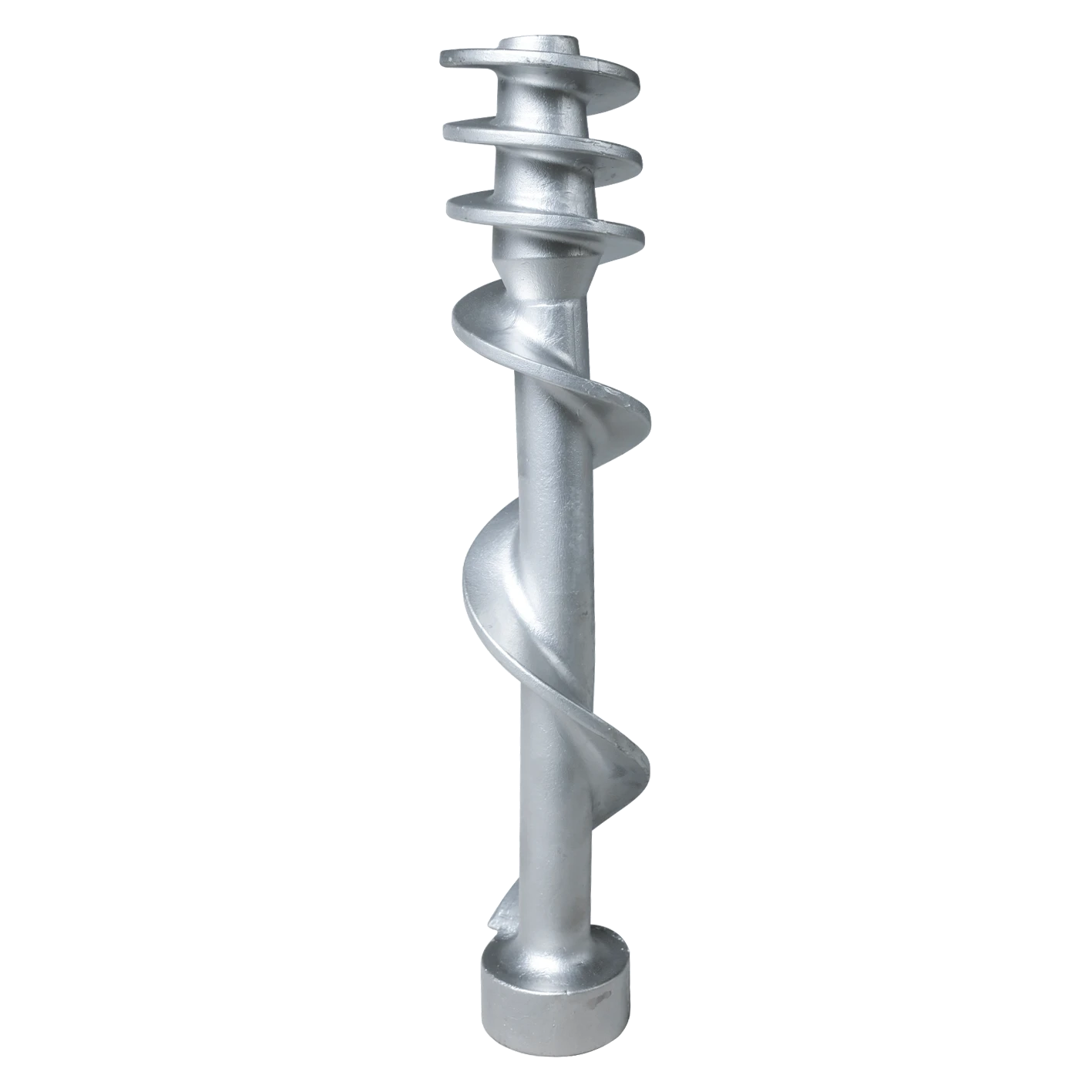
An impeller turbine consists of a rotating component, known as the impeller, which is equipped with blades that harness kinetic energy from a flowing fluid, whether it be water, air, or gas. As the fluid enters the turbine, it encounters the blades of the impeller. The shape and angle of these blades are meticulously engineered to maximize the energy transfer from the fluid to the turbine. This action not only generates rotational motion but also contributes to an increase in fluid velocity, which is critical for maintaining efficiency in energy conversion.
One of the primary advantages of impeller turbines is their ability to operate under varying flow conditions. They can adapt to changes in fluid pressure and velocity, ensuring consistent performance across a wide range of scenarios. This adaptability makes impeller turbines suitable for applications in hydroelectric power generation, where water flow can be inconsistent, and in air conditioning systems that require variable refrigerant flow.
impeller turbine
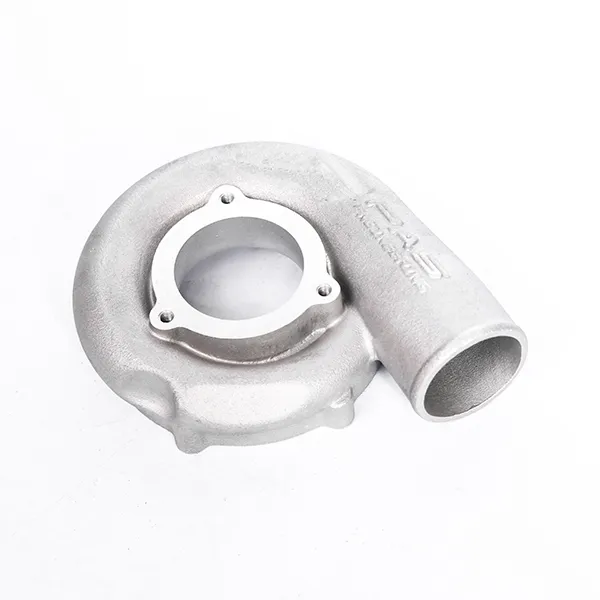
Moreover, the compact design of impeller turbines allows for integration into systems with limited space. Their lightweight construction encourages the development of portable energy solutions, enhancing their utility in various sectors such as environmental technology and aerospace engineering.
The ongoing research and development in the field of materials science have also contributed to the evolution of impeller turbines. Modern turbines often incorporate advanced materials that enhance durability and thermal resistance, enabling them to operate efficiently in extreme conditions. This progress not only improves energy output but also extends the lifespan of the turbine.
Additionally, the sustainability aspect cannot be overlooked. Impeller turbines can play an integral role in renewable energy systems, as they efficiently harness natural resources. For instance, in wave energy conversion and tidal power generation, these turbines convert the kinetic energy of water motion into usable electrical energy, providing a cleaner alternative to fossil fuels.
In conclusion, impeller turbines represent a remarkable fusion of engineering excellence and environmental stewardship. Their efficiency, adaptability, and compact design make them indispensable in modern energy systems. As technology continues to evolve, the potential for impeller turbines to further advance energy conversion processes is immense, paving the way for a more sustainable future.
-
Precision Valve Castings for Agricultural Irrigation and Fluid Control SystemsNewsMay.08,2026
-
Precision Impeller and Compressor Components for Agricultural MachineryNewsMay.08,2026
-
Essential Cast Components for Agricultural Machinery: Oil Management and Motor ProtectionNewsMay.08,2026
-
High-Performance Cast Components for Agricultural Machinery: From Cooling to Exhaust SystemsNewsMay.08,2026
-
Agricultural Valve Castings: Durable Flow Control Solutions for Farm Irrigation SystemsNewsMay.08,2026
-
High-Performance Agricultural Pump Components: Precision Castings for Reliable Farm OperationsNewsMay.08,2026