English

Mobile:+86-311-8081-2683
Email:info@ydcastings.com
English
impeller slurry pump
Understanding Impeller Slurry Pumps Design, Function, and Applications
In the industrial world, the transportation of abrasive and viscous materials poses unique challenges that require specialized equipment. One such piece of equipment is the impeller slurry pump. These pumps play a crucial role in various industries, including mining, construction, and wastewater treatment, where the transfer of slurry—mixtures of liquid and solid particles—is routine.
What is an Impeller Slurry Pump?
An impeller slurry pump is a type of centrifugal pump designed specifically to handle slurry, which typically consists of a liquid combined with solids. The core component of this pump is the impeller, a rotating element that draws the slurry into the pump and helps propel it through the discharge outlet. Unlike conventional pumps, slurry pumps are engineered to manage thick, abrasive, and viscous materials with high solid contents without suffering significant wear or damage.
Design Features
The design of impeller slurry pumps is distinctive and tailored for heavy-duty applications. Key features include
1. Robust Materials The components of slurry pumps are usually made from hard metals and wear-resistant materials such as high-chromium alloys or rubber linings. These materials help to prolong the life of the pump, ensuring it can withstand severe wear from the abrasive particles in the slurry.
2. Wide Clearance Slurry pumps often have wider clearances between the impeller and the volute, the casing that directs the flow of the pumped material. This design minimizes the risk of clogging and allows the pump to handle larger solids without compromising its efficiency.
3. Variable Impeller Designs Depending on the application, impellers can be designed for various specific gravity and viscosity levels. Some pumps feature adjustable impeller designs, allowing operators to modify the flow and pressure according to their needs.
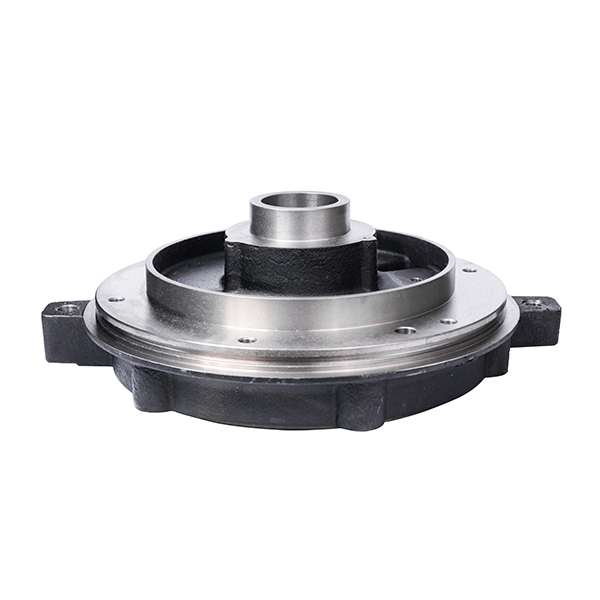
impeller slurry pump
Operation Principles
Impeller slurry pumps operate based on the principles of centrifugal force. As the impeller rotates, it creates a low-pressure zone that draws the slurry into the pump. The centrifugal force generated by the spinning impeller then pushes the slurry outward, increasing its velocity and pressure, which propels it through the discharge pipe. The pumps are often designed to operate at variable speeds, allowing for adaptability in different operational conditions.
Applications of Impeller Slurry Pumps
Impeller slurry pumps are crucial in several industries due to their ability to efficiently transport heavy and abrasive materials
1. Mining In the mining industry, these pumps transport slurries of ores, tailings, and other by-products. Their durability and effectiveness in handling large particulate matter make them a staple in mineral extraction processes.
2. Construction During construction activities, slurry pumps are used for transporting cement slurries, bentonite slurries, and other mixtures required for foundational work and soil stabilization.
3. Wastewater Treatment In wastewater treatment plants, impeller slurry pumps facilitate the removal of sludge and residuals, helping maintain operational efficiency and ensuring the treatment process is effective.
4. Pulp and Paper Industry These pumps also find applications in the pulp and paper industry, where they manage the transport of wood pulp slurries and other fiber materials.
Conclusion
In summary, impeller slurry pumps represent a vital technology in various industrial processes. Their unique design features and operational principles enable them to manage challenging materials that would otherwise pose significant risks to standard pumping equipment. As industries continue to evolve, the demand for efficient and reliable slurry handling solutions will only grow, placing impeller slurry pumps at the forefront of future advancements in pump technology. As sustainability and efficiency become key focuses across sectors, investing in robust slurry pumping systems is essential to meet the needs of modern industrial applications.
-
Choosing an Engine Storage Crate Cover for Material and EnvironmentNewsNov.23,2026
-
Cylinder Head Chamber Buyers: Check the Casting Specification FirstNewsNov.17,2026
-
How Impeller Casting Manufacturers Match Material, Process and EquipmentNewsNov.15,2026
-
Valve body vs. intake air chamber: Which casting fits your assembly?NewsNov.02,2026
-
Air Intake Chamber FAQ: Specifications, Ordering and Support QuestionsNewsOct.28,2026
-
Motorcycle Accessories FAQ: Specifications, Ordering and Support QuestionsNewsOct.24,2026










