English

Mobile:+86-311-8081-2683
Email:info@ydcastings.com
English
impeller on pump
Understanding the Role of the Impeller in Pump Performance
Pumps are essential components in various industrial, agricultural, and municipal applications, facilitating the movement of liquids from one place to another. One of the crucial elements that dictate a pump's efficiency and performance is the impeller. This article explores the significance of the impeller in a pump, its types, and its crucial role in fluid dynamics.
An impeller is a rotating component within a pump that imparts energy to the fluid, allowing it to be moved through the system. Typically designed as a rotor, the impeller consists of blades that push the liquid outward as it rotates, creating a difference in pressure that draws fluid into the pump. This action is fundamental in various types of pumps, including centrifugal and positive displacement pumps.
Understanding the Role of the Impeller in Pump Performance
One of the critical factors in impeller design is the NPSH (Net Positive Suction Head), which pertains to the pressure available to the pump to prevent cavitation. If the impeller becomes overwhelmed by insufficient pressure at the inlet, it can cause cavitation, leading to air bubbles forming and collapsing, potentially damaging the impeller and reducing overall pump efficiency.
impeller on pump
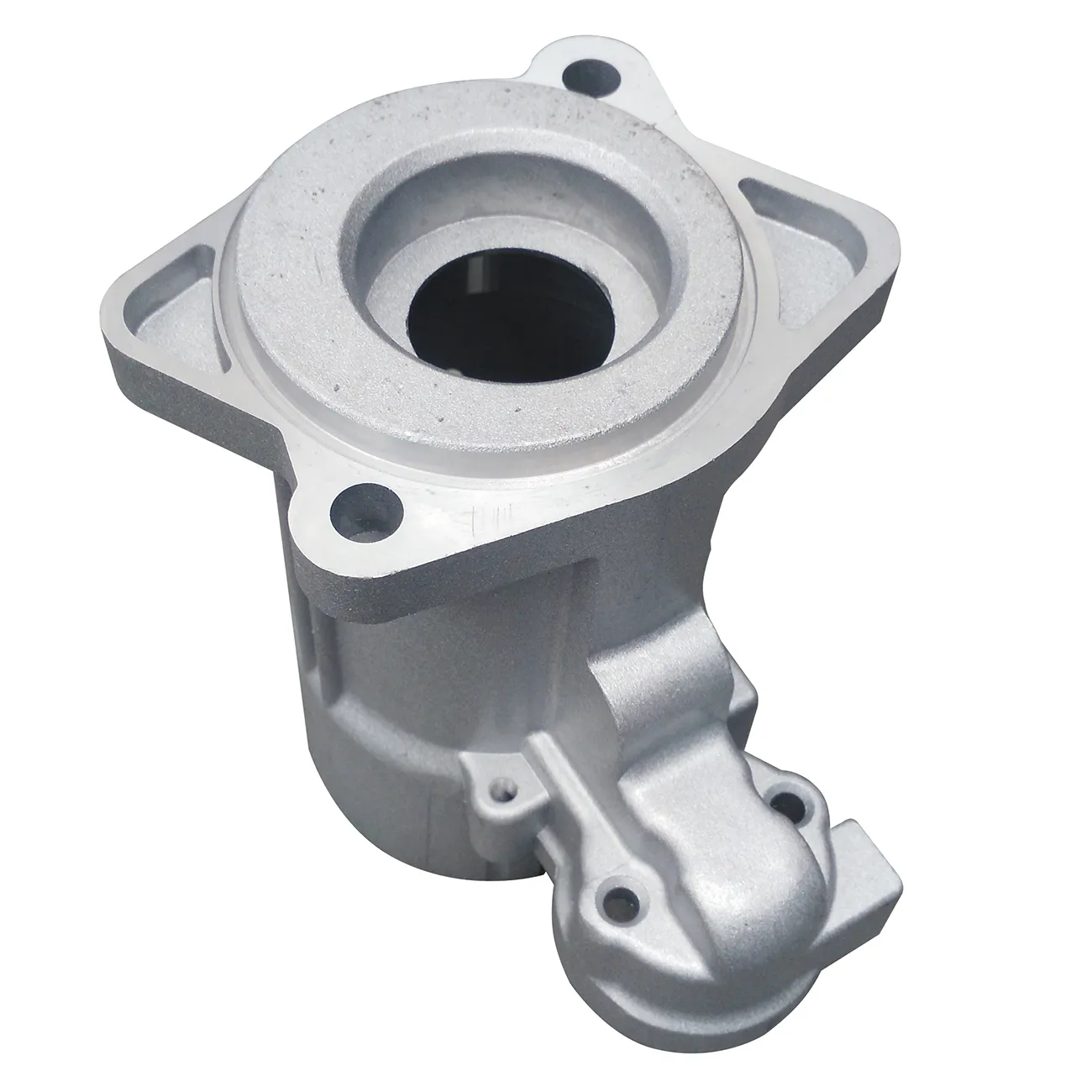
Impellers can come in various shapes and configurations, depending on the specific application. Common types include open, closed, and semi-open impellers. Open impellers have no front shroud and are suitable for handling solids and slurries, whereas closed impellers have both front and rear shrouds, making them more efficient for clear liquids. Semi-open impellers offer a compromise between the two and can handle a moderate amount of solids.
Material selection is another crucial aspect of impeller design. Impellers can be made from a variety of materials, including stainless steel, bronze, and various plastics, depending on the fluid being pumped and the operational environment. Corrosive or abrasive liquids may require more resilient materials to ensure durability and longevity.
The impeller's performance is often assessed through parameters like flow rate, efficiency, and head. Understanding these metrics can help in the selection of the appropriate pump for specific applications, ensuring optimal performance and reducing operational costs.
In conclusion, the impeller is a vital component of pump systems, affecting both their efficiency and reliability. Recognizing the importance of impeller design, material selection, and application-specific requirements can lead to enhanced performance and longevity of pumping systems. As industries continue to innovate and evolve, the role of the impeller in pump technology will undoubtedly remain a focal point for engineers and manufacturers aiming to improve fluid handling processes.
-
Choosing an Engine Storage Crate Cover for Material and EnvironmentNewsNov.23,2026
-
Cylinder Head Chamber Buyers: Check the Casting Specification FirstNewsNov.17,2026
-
How Impeller Casting Manufacturers Match Material, Process and EquipmentNewsNov.15,2026
-
Valve body vs. intake air chamber: Which casting fits your assembly?NewsNov.02,2026
-
Air Intake Chamber FAQ: Specifications, Ordering and Support QuestionsNewsOct.28,2026
-
Motorcycle Accessories FAQ: Specifications, Ordering and Support QuestionsNewsOct.24,2026










