English

Mobile:+86-311-8081-2683
Email:info@ydcastings.com
English
Feb . 15, 2025 00:48
Back to list
impeller of motor
The impeller of a motor plays a critical role in various industrial and commercial applications by converting the motor's mechanical energy into fluid movement. Their significance extends beyond mere energy conversion, emphasizing the need for precise engineering, high-quality materials, and diligent maintenance strategies. Through years of professional experience, it's evident that choosing the right impeller can substantially enhance a motor's efficiency and longevity.
Advanced manufacturing techniques such as 3D printing are revolutionizing impeller production. This approach allows for the rapid prototyping of complex designs, enabling iterative testing and refinement that traditional methods would find time-consuming and cost-prohibitive. Moreover, 3D printing can cater to small-batch, bespoke impeller production, opening new possibilities for custom solutions to unique challenges in niche markets. Maintenance and reliability are pivotal in impeller performance, where regular inspections can preempt failures by identifying wear, corrosion, and imbalance issues early. Predictive maintenance technologies, employing sensors and IoT frameworks, can forewarn users about potential impeller failures. These technologies utilize vibration analysis and thermal imaging to inform maintenance schedules, minimizing unexpected downtime and enhancing the trustworthiness of the motor system. Ultimately, the authority and trustworthiness of a motor system hinge on the knowledge and expertise of professionals overseeing the selection, design, and maintenance of its components. Collaborating with experienced engineers and maintaining rigorous quality control standards ensures that impeller manufacturing and implementation meet the highest levels of excellence. By focusing on precision engineering, advanced material usage, and predictive maintenance, businesses can not only optimize their motor systems but also enhance their operational reliability and sustainability. In conclusion, the impeller of a motor is not just a component—it's a linchpin that, when properly engineered and maintained, unlocks the full potential of motor-driven systems across diverse industries. Understanding its complexities and leveraging technological advancements are fundamental in driving efficiency, prolonging equipment lifespan, and ultimately achieving business success in competitive landscapes.
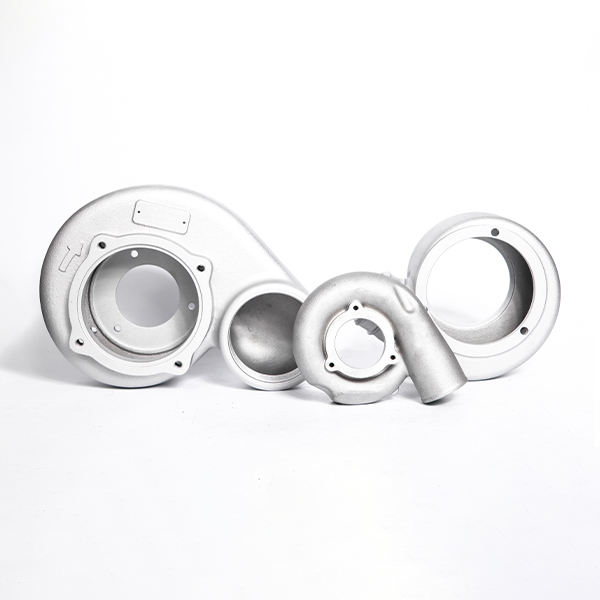
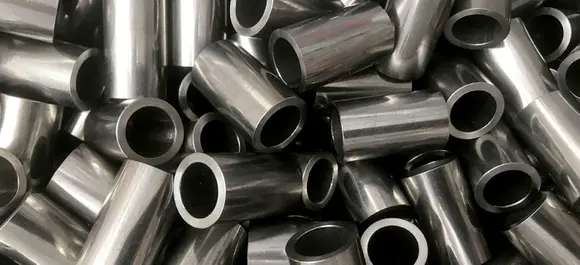
Advanced manufacturing techniques such as 3D printing are revolutionizing impeller production. This approach allows for the rapid prototyping of complex designs, enabling iterative testing and refinement that traditional methods would find time-consuming and cost-prohibitive. Moreover, 3D printing can cater to small-batch, bespoke impeller production, opening new possibilities for custom solutions to unique challenges in niche markets. Maintenance and reliability are pivotal in impeller performance, where regular inspections can preempt failures by identifying wear, corrosion, and imbalance issues early. Predictive maintenance technologies, employing sensors and IoT frameworks, can forewarn users about potential impeller failures. These technologies utilize vibration analysis and thermal imaging to inform maintenance schedules, minimizing unexpected downtime and enhancing the trustworthiness of the motor system. Ultimately, the authority and trustworthiness of a motor system hinge on the knowledge and expertise of professionals overseeing the selection, design, and maintenance of its components. Collaborating with experienced engineers and maintaining rigorous quality control standards ensures that impeller manufacturing and implementation meet the highest levels of excellence. By focusing on precision engineering, advanced material usage, and predictive maintenance, businesses can not only optimize their motor systems but also enhance their operational reliability and sustainability. In conclusion, the impeller of a motor is not just a component—it's a linchpin that, when properly engineered and maintained, unlocks the full potential of motor-driven systems across diverse industries. Understanding its complexities and leveraging technological advancements are fundamental in driving efficiency, prolonging equipment lifespan, and ultimately achieving business success in competitive landscapes.
Next:
Latest news
-
Choosing an Engine Storage Crate Cover for Material and EnvironmentNewsNov.23,2026
-
Cylinder Head Chamber Buyers: Check the Casting Specification FirstNewsNov.17,2026
-
How Impeller Casting Manufacturers Match Material, Process and EquipmentNewsNov.15,2026
-
Valve body vs. intake air chamber: Which casting fits your assembly?NewsNov.02,2026
-
Air Intake Chamber FAQ: Specifications, Ordering and Support QuestionsNewsOct.28,2026
-
Motorcycle Accessories FAQ: Specifications, Ordering and Support QuestionsNewsOct.24,2026
Related PRODUCTS










