English

Mobile:+86-311-8081-2683
Email:info@ydcastings.com
English
Understanding the Role of Impellers in Turbine Efficiency and Performance
The Role of Impellers in Turbines
The intricate world of fluid dynamics involves various components that work harmoniously to convert energy from one form to another. Central to this process are turbines, devices that harness kinetic and potential energy from fluids, typically water or gas, to produce mechanical or electrical energy. A key component within many types of turbines is the impeller. This article explores the role of impellers in turbines, their design considerations, and their impact on efficiency.
Understanding Impellers
An impeller is a rotating component of a pump, compressor, or turbine that transfers energy from the motor to the fluid passing through it. In the context of turbines, impellers are crucial for converting the flow of fluid into rotational energy. They work by creating a difference in pressure or velocity between the fluid entering the turbine and the fluid leaving it. This results in the generation of torque, which is then used to drive the turbine's output mechanisms—be it generating electricity, propelling a vehicle, or performing work in a manufacturing process.
Types of Turbines and Their Impellers
There are several types of turbines, including steam turbines, gas turbines, and hydraulic turbines, each utilizing impellers in different ways
.1. Steam Turbines In steam turbines, impellers, also known as rotor blades, convert the energy from high-pressure steam into mechanical energy. The steam enters the turbine, impinging on the blades, causing them to rotate. This rotational energy is then harnessed to drive generators for electricity production.
2. Gas Turbines In gas turbines, a series of impellers compress air before it enters the combustion chamber. The resulting high-pressure gas expands through the turbine, passing over the impellers and causing them to rotate, converting thermal energy into mechanical energy.
3. Hydraulic Turbines In hydroelectric plants, water flows over impellers, typically in the form of blades arranged in a spiral shape. This flow of water is directed toward the impellers, inducing a rotational motion that drives generators to produce electricity.
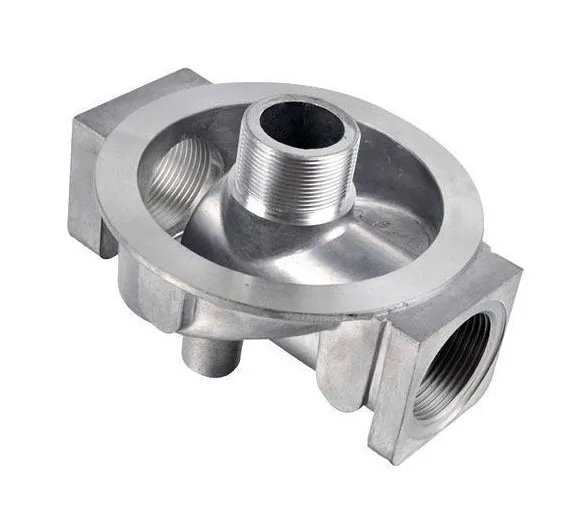
impeller in turbine
Design Considerations for Impellers
The design of an impeller is critical to the overall efficiency and performance of a turbine. Several factors must be taken into account
- Shape and Size The geometry of the impeller affects how fluid interacts with it. Blade shape, size, and the angle of attack can dramatically influence the turbine's efficiency. Aerodynamic and hydrodynamic designs aim to optimize the flow and minimize losses due to turbulence.
- Material Impellers must endure high speeds, pressures, and often corrosive environments. Materials such as stainless steel, titanium, or composite materials that offer a balance between strength and weight are often utilized.
- Number of Blades The number of blades on an impeller also affects its performance. More blades generally mean more energy transfer, but they can also create friction and drag, which can reduce efficiency.
The Importance of Efficiency
The efficiency of a turbine, significantly influenced by its impeller design, is vital for maximizing energy output and minimizing operational costs. In energy production, even small improvements in efficiency can lead to substantial economic benefits. As the demand for renewable energy sources grows, the optimization of turbine systems, including advanced impeller designs, becomes increasingly important.
Conclusion
In summary, impellers play a fundamental role in the operation of turbines across various applications. Their ability to convert fluid energy into mechanical energy underpins the functionality of many energy generation systems. With advancements in materials science and fluid dynamics, the future of turbine impellers looks promising, paving the way for even greater efficiencies and innovations in energy production. The ongoing research and development in this critical area are crucial for meeting the world’s growing energy demands sustainably and efficiently.
-
Choosing an Engine Storage Crate Cover for Material and EnvironmentNewsNov.23,2026
-
Cylinder Head Chamber Buyers: Check the Casting Specification FirstNewsNov.17,2026
-
How Impeller Casting Manufacturers Match Material, Process and EquipmentNewsNov.15,2026
-
Valve body vs. intake air chamber: Which casting fits your assembly?NewsNov.02,2026
-
Air Intake Chamber FAQ: Specifications, Ordering and Support QuestionsNewsOct.28,2026
-
Motorcycle Accessories FAQ: Specifications, Ordering and Support QuestionsNewsOct.24,2026










