English

Mobile:+86-311-8081-2683
Email:info@ydcastings.com
English
Feb . 15, 2025 00:12
Back to list
impeller in submersible pump
Impellers in submersible pumps represent a crucial element in their functionality and performance. A submersible pump's impeller is directly responsible for moving fluids and managing pressure, making it one of the most significant components to consider during product selection or system design. For professionals and industries reliant on these pumps, understanding the intricacies of impeller design and application is imperative to decision-making and operational success.
Materials used in impeller manufacturing include stainless steel, cast iron, bronze, and various composites. Stainless steel impellers are favored for their corrosion resistance, a crucial feature in saltwater applications or chemically-agrresive environments. Cast iron impellers, robust and cost-effective, find preference in freshwater applications, whereas bronze impellers cater well to conditions requiring intermediate corrosion resistance. This choice not only affects the initial cost but impacts the pump's lifecycle as well. Moreover, the unique conditions within submerged environments necessitate impeller designs that minimize clogging and optimize efficiency. Anti-clogging designs include semi-open impellers, open vane impellers, and cutter designs. Semi-open impellers are versatile for handling suspensions with small solids, while open vane designs can manage larger particulates effectively. Cutter designs take it a step further, featuring slicing mechanisms to deal with fibrous materials prevalent in wastewater. Advanced Computational Fluid Dynamics (CFD) modeling is increasingly employed to simulate and optimize impeller designs for maximized efficiency and minimized energy consumption. For example, cutting-edge CFD allows engineers to predict how design modifications impact flow patterns, wear rates, and energy usage. Such simulations provide invaluable insights into custom impeller solutions tailored for unique operational challenges. Practicing regular maintenance regime is vital, given the harsh operational conditions of submersible pumps. It involves periodic inspections for wear and tear, impeller adjustments, and balancing to ensure optimal pump performance. An imbalanced impeller can lead to vibrations, adversely affecting the pump's efficiency and service life. Regular monitoring thus ensures timely interventions, preventing potential breakdowns. Furthermore, technological advancements like the integration of smart sensors contribute to impeller performance monitoring. Sensors track parameters like temperature, vibration, and pressure, sending real-time data for predictive maintenance strategies. This ensures system reliability, decreases unexpected downtimes, and reduces operational costs. In environments that demand the utmost reliability and efficiency from submersible pumps, the selection and maintenance of impellers cannot be overstated. By closely aligning impeller type, material, and design with the specific requirements of each application, industries can achieve enhanced performance, longevity, and cost-efficiency. This strategic approach not only positions businesses at the forefront of technological and operational advancements but also reinforces the importance of experience, expertise, authoritativeness, and trustworthiness in today's competitive landscape.

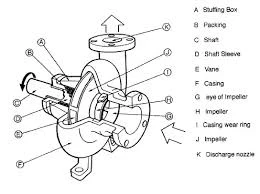
Materials used in impeller manufacturing include stainless steel, cast iron, bronze, and various composites. Stainless steel impellers are favored for their corrosion resistance, a crucial feature in saltwater applications or chemically-agrresive environments. Cast iron impellers, robust and cost-effective, find preference in freshwater applications, whereas bronze impellers cater well to conditions requiring intermediate corrosion resistance. This choice not only affects the initial cost but impacts the pump's lifecycle as well. Moreover, the unique conditions within submerged environments necessitate impeller designs that minimize clogging and optimize efficiency. Anti-clogging designs include semi-open impellers, open vane impellers, and cutter designs. Semi-open impellers are versatile for handling suspensions with small solids, while open vane designs can manage larger particulates effectively. Cutter designs take it a step further, featuring slicing mechanisms to deal with fibrous materials prevalent in wastewater. Advanced Computational Fluid Dynamics (CFD) modeling is increasingly employed to simulate and optimize impeller designs for maximized efficiency and minimized energy consumption. For example, cutting-edge CFD allows engineers to predict how design modifications impact flow patterns, wear rates, and energy usage. Such simulations provide invaluable insights into custom impeller solutions tailored for unique operational challenges. Practicing regular maintenance regime is vital, given the harsh operational conditions of submersible pumps. It involves periodic inspections for wear and tear, impeller adjustments, and balancing to ensure optimal pump performance. An imbalanced impeller can lead to vibrations, adversely affecting the pump's efficiency and service life. Regular monitoring thus ensures timely interventions, preventing potential breakdowns. Furthermore, technological advancements like the integration of smart sensors contribute to impeller performance monitoring. Sensors track parameters like temperature, vibration, and pressure, sending real-time data for predictive maintenance strategies. This ensures system reliability, decreases unexpected downtimes, and reduces operational costs. In environments that demand the utmost reliability and efficiency from submersible pumps, the selection and maintenance of impellers cannot be overstated. By closely aligning impeller type, material, and design with the specific requirements of each application, industries can achieve enhanced performance, longevity, and cost-efficiency. This strategic approach not only positions businesses at the forefront of technological and operational advancements but also reinforces the importance of experience, expertise, authoritativeness, and trustworthiness in today's competitive landscape.
Next:
Latest news
-
Choosing an Engine Storage Crate Cover for Material and EnvironmentNewsNov.23,2026
-
Cylinder Head Chamber Buyers: Check the Casting Specification FirstNewsNov.17,2026
-
How Impeller Casting Manufacturers Match Material, Process and EquipmentNewsNov.15,2026
-
Valve body vs. intake air chamber: Which casting fits your assembly?NewsNov.02,2026
-
Air Intake Chamber FAQ: Specifications, Ordering and Support QuestionsNewsOct.28,2026
-
Motorcycle Accessories FAQ: Specifications, Ordering and Support QuestionsNewsOct.24,2026
Related PRODUCTS










