English

Mobile:+86-311-8081-2683
Email:info@ydcastings.com
English
Feb . 13, 2025 00:04
Back to list
impeller
The efficiency of an impeller is a critical factor in the performance and operation of various mechanical systems, including pumps and turbines. Understanding this concept can transform how industries approach their machinery maintenance and operations, potentially leading to enhanced performance and significant cost savings.
Trustworthiness in efficiency claims comes down to third-party testing and validation. Independent assessments by relevant authorities can affirm or refute the manufacturer's efficiency ratings. These validated ratings allow industries to choose products with confidence, relying on proven performance rather than marketing claims alone. Energy efficiency in impellers is not merely a product feature—it's an environmental imperative. In a world increasingly driven by sustainable practices, industries are held accountable for their energy consumption and carbon footprints. Efficient impeller design contributes significantly to reducing the ecological impact of industrial operations, aligning with global sustainability goals. For businesses aiming to optimize their systems, maintenance of impeller efficiency cannot be overlooked. Routine checks and balances are crucial. Even the most expertly designed impeller can suffer from efficiency losses due to wear and tear. Regular maintenance schedules, inspections, and timely replacements of worn parts can ensure continued optimal performance. The importance of training personnel to understand and operate with the latest technological advancements cannot be overstated. Operators familiar with the intricate workings of impellers are better equipped to notice discrepancies in performance early, aiding in preventative maintenance and avoiding costly downtimes. This fosters a culture where expertise is not limited to design and engineering but extends to day-to-day operations, further enhancing system reliability. In conclusion, impeller efficiency is a multifaceted subject, deeply entwined with mechanical design, energy consumption, and environmental sustainability. By focusing on experience, expertise, authoritativeness, and trustworthiness, industries can make informed choices that bolster their operations, reduce costs, and promote environmentally responsible practices. This comprehensive approach ensures that the benefits extend beyond mere operational improvements to encompass broader implications for sustainability and energy conservation.
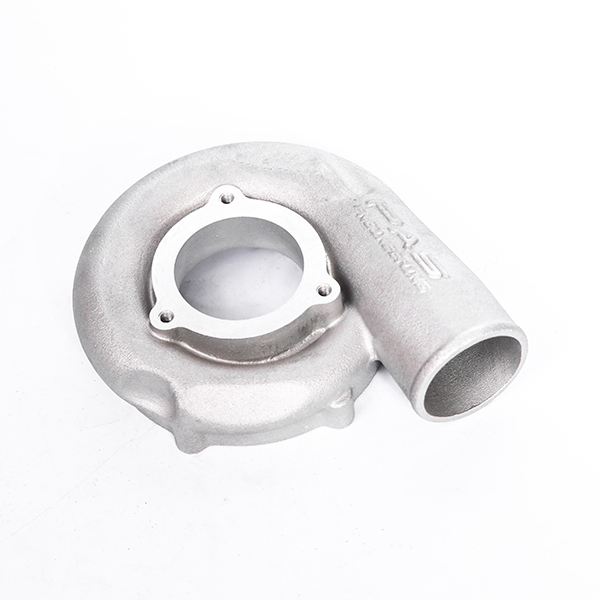

Trustworthiness in efficiency claims comes down to third-party testing and validation. Independent assessments by relevant authorities can affirm or refute the manufacturer's efficiency ratings. These validated ratings allow industries to choose products with confidence, relying on proven performance rather than marketing claims alone. Energy efficiency in impellers is not merely a product feature—it's an environmental imperative. In a world increasingly driven by sustainable practices, industries are held accountable for their energy consumption and carbon footprints. Efficient impeller design contributes significantly to reducing the ecological impact of industrial operations, aligning with global sustainability goals. For businesses aiming to optimize their systems, maintenance of impeller efficiency cannot be overlooked. Routine checks and balances are crucial. Even the most expertly designed impeller can suffer from efficiency losses due to wear and tear. Regular maintenance schedules, inspections, and timely replacements of worn parts can ensure continued optimal performance. The importance of training personnel to understand and operate with the latest technological advancements cannot be overstated. Operators familiar with the intricate workings of impellers are better equipped to notice discrepancies in performance early, aiding in preventative maintenance and avoiding costly downtimes. This fosters a culture where expertise is not limited to design and engineering but extends to day-to-day operations, further enhancing system reliability. In conclusion, impeller efficiency is a multifaceted subject, deeply entwined with mechanical design, energy consumption, and environmental sustainability. By focusing on experience, expertise, authoritativeness, and trustworthiness, industries can make informed choices that bolster their operations, reduce costs, and promote environmentally responsible practices. This comprehensive approach ensures that the benefits extend beyond mere operational improvements to encompass broader implications for sustainability and energy conservation.
Next:
Latest news
-
Choosing an Engine Storage Crate Cover for Material and EnvironmentNewsNov.23,2026
-
Cylinder Head Chamber Buyers: Check the Casting Specification FirstNewsNov.17,2026
-
How Impeller Casting Manufacturers Match Material, Process and EquipmentNewsNov.15,2026
-
Valve body vs. intake air chamber: Which casting fits your assembly?NewsNov.02,2026
-
Air Intake Chamber FAQ: Specifications, Ordering and Support QuestionsNewsOct.28,2026
-
Motorcycle Accessories FAQ: Specifications, Ordering and Support QuestionsNewsOct.24,2026
Related PRODUCTS










