English

Mobile:+86-311-8081-2683
Email:info@ydcastings.com
English
Feb . 12, 2025 22:50
Back to list
aluminium metal casting
The impeller casting process is a critical manufacturing technique often employed in various industries, including automotive, aerospace, and water management. This process generates high-quality impellers pivotal for efficient fluid flow in pumps, turbines, and other machinery. By sharing an insider's perspective, we can unravel the intricacies of this fascinating blend of art and science.
Cooling and solidification is a science unto itself. The rate of cooling significantly influences the crystallization process and resultant mechanical properties of the impeller. Expertise in thermodynamics can illuminate how best to control this cooling phase to achieve the desired balance of strength, ductility, and resistance to wear and corrosion. After the casting is removed from the mold, finishing processes are crucial to achieving the precise dimensions and surface qualities required. Advanced techniques such as CNC machining are utilized to refine the impeller’s surfaces and vanes, ensuring it performs efficiently with minimal energy loss. Finishing is not merely about aesthetics; it's about reducing turbulence in fluid flow – an area where expertise in fluid mechanics can greatly enhance performance outcomes. Quality control is the final, yet perhaps most authoritative step. Rigorous testing, including x-ray inspections and pressure tests, verifies the integrity of the cast impeller. Nondestructive testing methods play an essential role, offering a thorough way to detect any internal flaws that could compromise performance without damaging the impeller itself. Trust in these processes is built on a foundation of long-established scientific principles and empirical evidence, serving as the final checkpoint before the impeller’s deployment in its respective application. The impeller casting process embodies a confluence of artistic craft and scientific analysis. Throughout the stages of design, casting, finishing, and testing, a deep repository of experience and knowledge is tapped into, ensuring the final product meets the high standards demanded in modern applications. The expertise entrenched in every phase fosters an authoritative presence in the industry, while trustworthiness is secured by a dedication to quality and consistency. This is the impeller casting process—a marvel of modern engineering precision, producing components that drive efficiency and innovation across the globe.
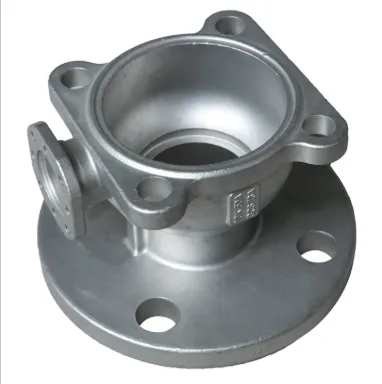
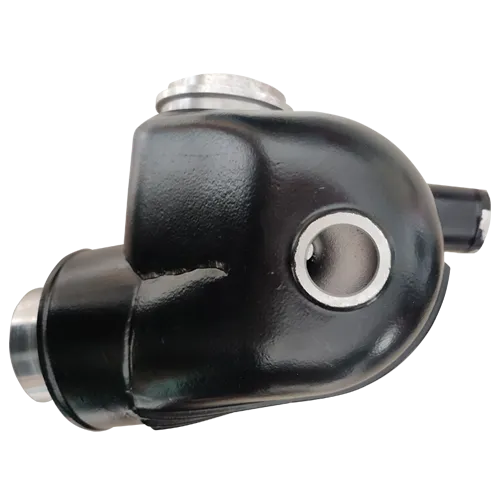
Cooling and solidification is a science unto itself. The rate of cooling significantly influences the crystallization process and resultant mechanical properties of the impeller. Expertise in thermodynamics can illuminate how best to control this cooling phase to achieve the desired balance of strength, ductility, and resistance to wear and corrosion. After the casting is removed from the mold, finishing processes are crucial to achieving the precise dimensions and surface qualities required. Advanced techniques such as CNC machining are utilized to refine the impeller’s surfaces and vanes, ensuring it performs efficiently with minimal energy loss. Finishing is not merely about aesthetics; it's about reducing turbulence in fluid flow – an area where expertise in fluid mechanics can greatly enhance performance outcomes. Quality control is the final, yet perhaps most authoritative step. Rigorous testing, including x-ray inspections and pressure tests, verifies the integrity of the cast impeller. Nondestructive testing methods play an essential role, offering a thorough way to detect any internal flaws that could compromise performance without damaging the impeller itself. Trust in these processes is built on a foundation of long-established scientific principles and empirical evidence, serving as the final checkpoint before the impeller’s deployment in its respective application. The impeller casting process embodies a confluence of artistic craft and scientific analysis. Throughout the stages of design, casting, finishing, and testing, a deep repository of experience and knowledge is tapped into, ensuring the final product meets the high standards demanded in modern applications. The expertise entrenched in every phase fosters an authoritative presence in the industry, while trustworthiness is secured by a dedication to quality and consistency. This is the impeller casting process—a marvel of modern engineering precision, producing components that drive efficiency and innovation across the globe.
Next:
Latest news
-
Choosing an Engine Storage Crate Cover for Material and EnvironmentNewsNov.23,2026
-
Cylinder Head Chamber Buyers: Check the Casting Specification FirstNewsNov.17,2026
-
How Impeller Casting Manufacturers Match Material, Process and EquipmentNewsNov.15,2026
-
Valve body vs. intake air chamber: Which casting fits your assembly?NewsNov.02,2026
-
Air Intake Chamber FAQ: Specifications, Ordering and Support QuestionsNewsOct.28,2026
-
Motorcycle Accessories FAQ: Specifications, Ordering and Support QuestionsNewsOct.24,2026
Related PRODUCTS










