English

Mobile:+86-311-8081-2683
Email:info@ydcastings.com
English
Comparing the Efficiency of Impellers and Turbines in Fluid Dynamics Applications
Understanding Impellers and Turbines A Comparative Analysis
In the realm of fluid dynamics, two critical components often discussed are impellers and turbines. While they may appear similar at first glance due to their rotating nature, they serve distinct purposes and are applied in various industries, ranging from water treatment to aviation. This article delves into the characteristics, functions, and applications of impellers and turbines, providing a comprehensive understanding of these vital mechanisms.
Impellers
An impeller is a rotor designed to increase the kinetic energy of a fluid through rotational motion. It is typically used in pumps to move liquids or slurries. Impellers can come in various designs, including open, closed, and semi-closed configurations, each tailored for specific applications. The primary function of an impeller is to transfer energy to the fluid, resulting in increased flow rates and pressure.
The design of an impeller greatly influences its efficiency and performance. Factors such as the number of blades, blade shape, and diameter can significantly affect the impeller's operational effectiveness. For instance, a closed impeller, which features blades enclosed between two disks, is commonly used in high-pressure applications due to its ability to create significant head and reduce turbulence.
Impellers find extensive use in various industries. In water and wastewater treatment, they are integral to the operation of centrifugal pumps, which transport water effectively through pipelines. In the industrial sector, impellers are used in mixers and agitators to ensure thorough mixing of substances. The ability of impellers to handle a broad spectrum of fluids, including corrosive and viscous materials, makes them invaluable in chemical processing and food production.
Turbines
In contrast, a turbine is a mechanical device that converts fluid energy into rotational energy, harnessing the kinetic energy of liquids or gases. Turbines are essential in power generation, where they extract energy from flowing water, steam, or gas to produce electricity. The most common types of turbines include steam turbines, gas turbines, and water turbines, each suited for specific energy sources.
impeller and turbine
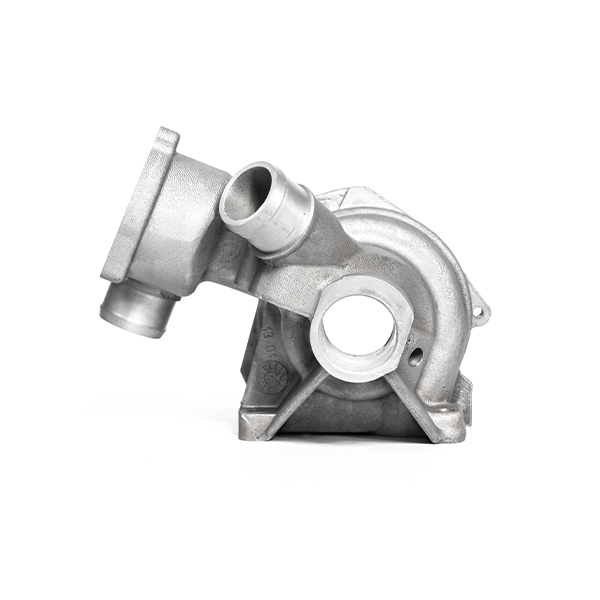
Turbines operate on the principle of momentum transfer. As fluid passes over the blades of a turbine, it causes the blades to rotate, thereby generating mechanical energy. The design of turbine blades is critical to their efficiency and performance, with factors such as blade angle, spacing, and curvature playing significant roles.
The applications of turbines are vast and varied. In the energy sector, steam turbines are typically used in thermal power plants, where they drive generators to produce electricity. Gas turbines are vital in aviation, providing thrust for jet engines, while hydroelectric power plants rely on water turbines to convert the energy of flowing water into electrical energy.
Key Differences and Applications
While both impellers and turbines involve rotational motion, their fundamental differences lie in their design and purpose. Impellers are primarily used to increase the flow and pressure of fluids, making them indispensable in pumping systems. Turbines, on the other hand, focus on converting fluid energy into mechanical energy for power generation.
In practical applications, the choice between an impeller and a turbine depends on the specific requirements of the system. For instance, in a water treatment facility, impellers are used to facilitate the movement of water, while turbines may be employed in hydroelectric plants to harness the energy of flowing water for electricity production.
Conclusion
In summary, impellers and turbines play crucial roles in the manipulation of fluid energy, albeit with different objectives and applications. Understanding their distinctive functions and designs allows engineers and professionals across various industries to make informed choices when it comes to fluid management and energy generation solutions. As technology continues to advance, the development of more efficient impellers and turbines will remain imperative, ensuring optimal performance and sustainability in fluid dynamics applications. Whether in pumping systems or power generation, these components will continue to be at the forefront of engineering innovation.
-
Choosing an Engine Storage Crate Cover for Material and EnvironmentNewsNov.23,2026
-
Cylinder Head Chamber Buyers: Check the Casting Specification FirstNewsNov.17,2026
-
How Impeller Casting Manufacturers Match Material, Process and EquipmentNewsNov.15,2026
-
Valve body vs. intake air chamber: Which casting fits your assembly?NewsNov.02,2026
-
Air Intake Chamber FAQ: Specifications, Ordering and Support QuestionsNewsOct.28,2026
-
Motorcycle Accessories FAQ: Specifications, Ordering and Support QuestionsNewsOct.24,2026










